Last updated: November 20, 2026
Quick Answer: For most kitchens, the best split is simple—buy bulk for dry staples and fresh for fragile foods. In this guide to Low Histamine Ingredients to Buy in Bulk vs Buy Fresh Each Time, I use one rule: buy dry staples in bulk, buy high-risk produce fresh. The table below settles which foods belong where, and why.
Key Takeaways
- Bulk suits dry staples kept sealed and used on a steady schedule.
- Smaller fresh buys fit foods that change quickly in storage.
- Fresh is the safer default for delicate produce and protein.
- A split cart works best: bulk for pantry basics, fresh for fragile foods, frozen only when it fits your schedule.
Our Top 3 Picks at a Glance
- #1 Best Overall: Dry goods and shelf-stable bulk ingredients for the foods you use every week.
- #2 Best Budget Pick: Fresh ingredients bought in small amounts for foods that lose quality fast or vary by batch.
- #3 Best Heavy-Duty / Upgrade Pick: Batch-planned buying with freezer backup for ingredients you use often but can’t tolerate old.
I write about low histamine ingredient vetting, label reading, and kitchen storage strategy for readers who need food to stay predictable.
For the broader method behind this decision, see the hub on Low Histamine Ingredient Shopping and Selection — The Complete Guide.
| Product / Option | Best For | Core Spec | Standout Feature | Action |
|---|---|---|---|---|
| Bulk dry goods | Pantry foods used often | Long shelf life when kept dry and sealed | Easy to portion and keep on hand | Buy if you cook the same grains, flours, or seeds often |
| Fresh ingredients | Produce and proteins that fade fast | Best used soon after purchase | Better chance of stable smell, color, and texture | Buy if you react to older food or need peak freshness |
| Dry goods plus freezer backup | Frequent cooks with strict tolerance | Store dry, then freeze what you cannot use soon | Reduces waste without relying on long pantry time | Buy if you need flexibility and batch control |
The real split: stable pantry items vs fast-fading food
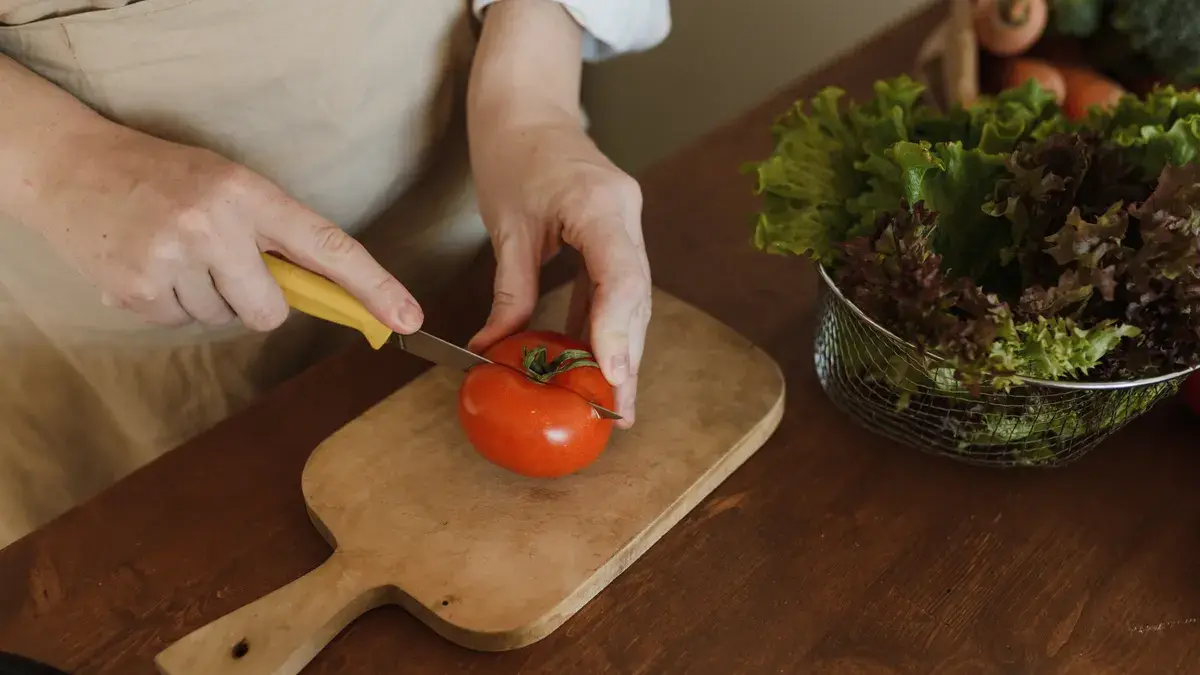
Because the split is really about shelf behavior, buy bulk for foods that stay dry, sealed, and boring in storage. Buy fresh for ingredients that change quickly after harvest, opening, or cutting. That split matters more than the “low histamine” label itself, because histamine trouble often starts when food sits too long, gets warm, or loses freshness.
Picture this: you’re planning meals for the week and trying not to make two mistakes at once—running out of food and buying a full bag of something that turns on you by day three. Bulk wins for dry staples. Fresh wins for anything fragile.
The useful question is not “Which is safer?” It is which ingredient stays reliable in the form you can actually use.
- Bulk usually fits:
- rice, oats, quinoa, buckwheat, millet
- dried beans and lentils if you tolerate them
- plain flours and starches
- seeds, coconut, and other dry add-ins
- Fresh usually fits:
- leafy greens
- berries
- herbs
- cut fruit
- meats and fish that you use right away
Here’s the catch: “fresh” does not mean “better for every person.” It means the ingredient has less time to degrade, oxidize, or sit around waiting for the next meal.
Which low histamine ingredients are safest to buy in bulk?
Bulk is safest for dry goods, plain ingredients, and foods that you use on a predictable schedule. If a food can sit unopened in a cool, dry cupboard for weeks or months, and still cook the same way, it belongs on the bulk side of the line.
Picture this: you’re staring at a 5 kg or 10 lb bag of pantry food and wondering if you’re being sensible or sloppy. The answer depends on how fast you use it and how sensitive you are to storage drift.
Bulk makes the most sense for ingredients with three traits: low moisture, simple processing, and easy portion control. That usually includes dry goods, not wet or pre-seasoned foods. It also includes items you can divide into smaller containers so you are not opening the main package every day.
Pros of bulk buying:
- fewer shopping trips
- less chance of last-minute empty shelves
- easier meal planning
- better fit for staple foods you use every week
Cons of bulk buying:
- opened packages can go stale, go rancid, or absorb odors
- old stock is hard to trace if a food starts bothering you
- large containers tempt overbuying
- some “bulk” bins invite cross-contact from other foods, which matters if you also avoid common allergens
Who should skip bulk: anyone who reacts to stale fats, old flour, or mixed-bin contamination should stay with smaller sealed packages, then move toward fresh purchases for the foods that cause the most trouble.
What should stay a fresh purchase every time?
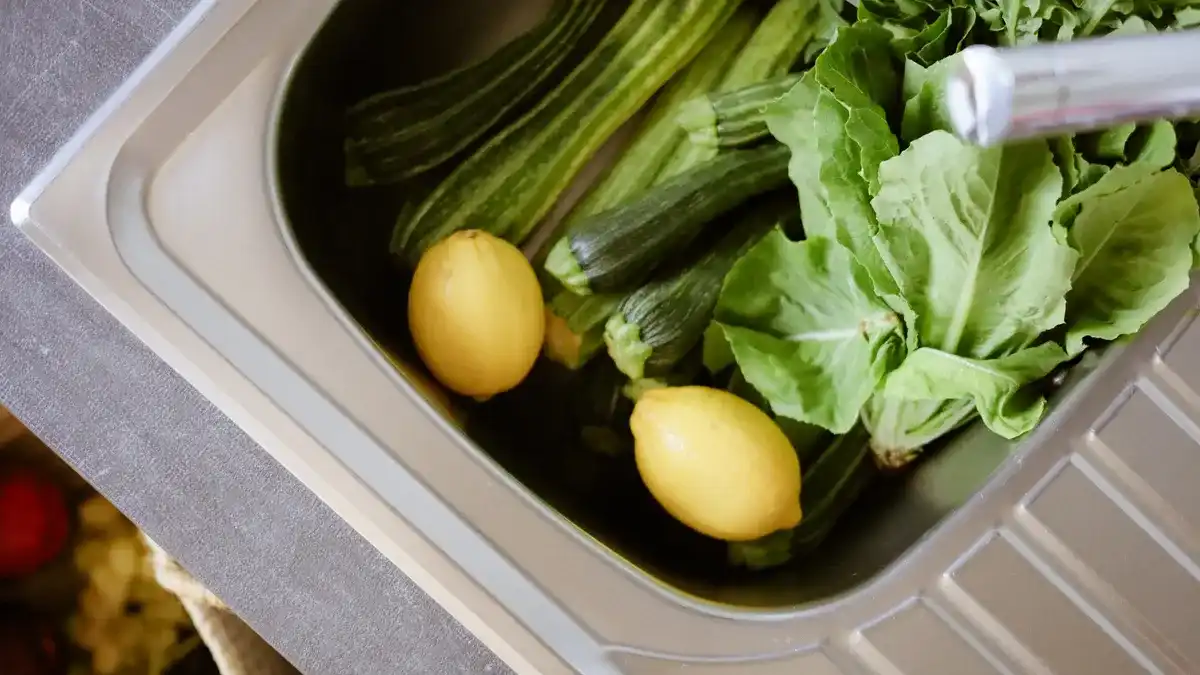
Fresh should stay fresh for ingredients that change fast after purchase, especially produce and protein. If a food loses aroma, firmness, or color quickly—or if you only use it in small amounts—buy it close to the day you need it.
Because freshness matters most here, picture this: you have a bunch of herbs, a box of berries, and a pack of greens in the fridge. One waits patiently. One sulks. One is already on the clock. That is the fresh-fresh divide.
Fresh buys reduce the risk that a “low histamine” food becomes a problem just because it sat too long. That is most obvious with foods you eat raw or barely cooked. It also matters with ingredients that are sensitive to bruising, moisture loss, or temperature swings.
A practical fresh-first list looks like this:
- leafy greens
- berries
- fresh herbs
- mushrooms
- fruits that bruise easily
- meat, poultry, and fish if you need them at peak freshness
If you use these foods, buy only what you can finish soon. The better you are at batch planning, the less often you need to gamble on freshness.
On the flip side, some fresh-looking foods still behave like pantry items once prepared. Plain peeled root vegetables or whole produce with thick skins can sometimes last longer than fragile greens, but the storage window still matters more than the marketing.
Bulk buying vs fresh buying: the honest side-by-side
Bulk wins on convenience. Fresh wins on quality control. The right answer is not one or the other—it is matching the ingredient to its failure point.
Picture this: you are comparing two shopping lists. One list is full of dry basics you cook the same way each week. The other is all delicate ingredients that turn soft or dull in days. The lists need different buying habits.
| Criteria | Bulk | Fresh | Winner for this condition |
|---|---|---|---|
| Shelf stability | Better for dry, sealed foods | Shorter usable window | Bulk for pantry staples |
| Risk of staleness | Higher after opening | Lower when used right away | Fresh for sensitive foods |
| Shopping frequency | Fewer trips | More frequent trips | Bulk if time is tight |
| Portion control | Worse if you open too much | Better if bought in small amounts | Fresh for small households |
| Waste risk | Higher if you overbuy | Higher if you under-shop | Depends on batch planning |
| Best for low histamine tolerance | Good for predictable dry foods | Better for fragile foods | Fresh for highly reactive eaters |
| Cost and convenience | Usually easier to stock up | Usually easier to keep quality high | Bulk for routine staples |
| Storage burden | Needs dry, sealed space | Needs fridge space and faster use | Fresh if storage is limited |
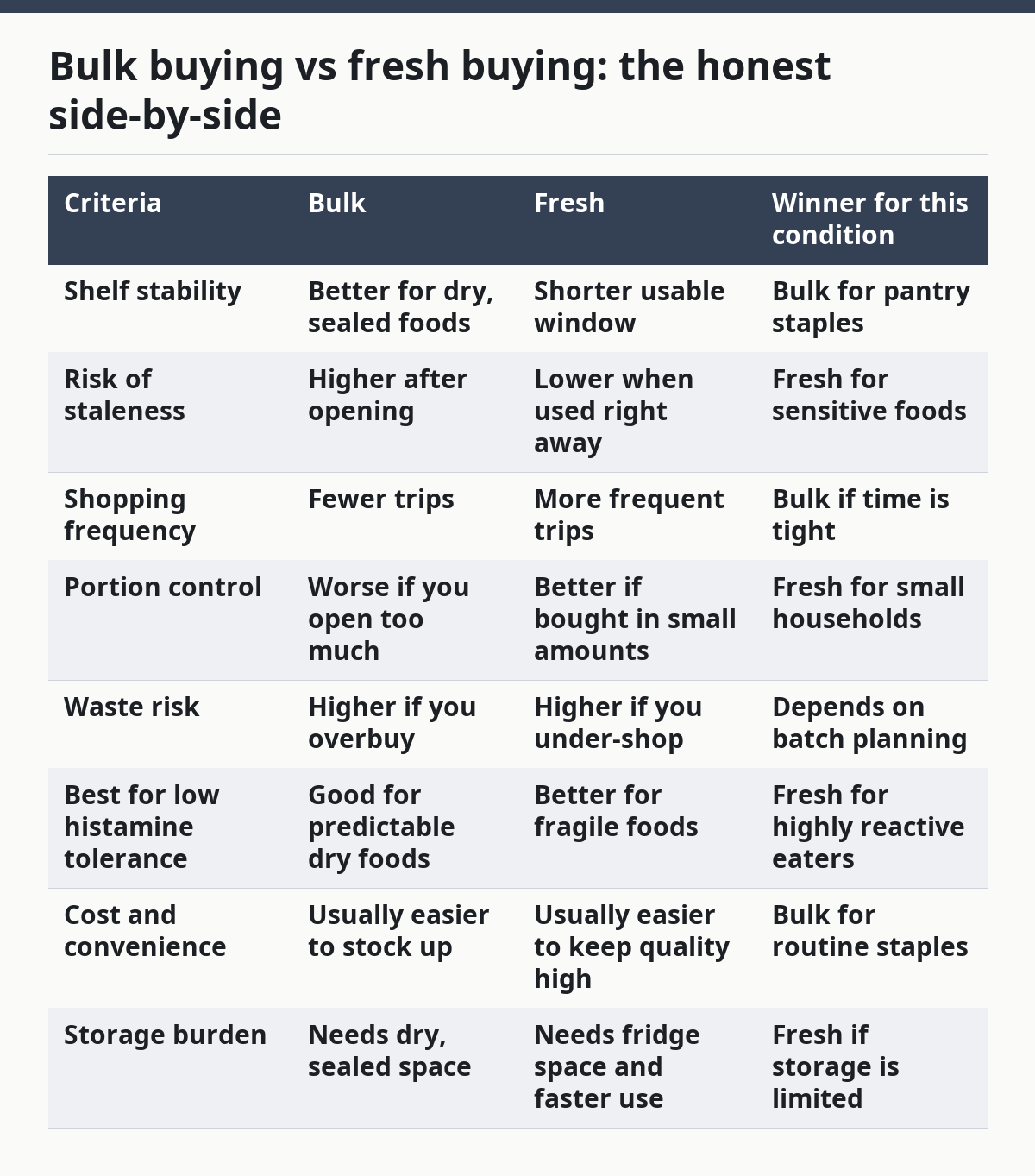
The result is plain: bulk is a storage strategy, fresh is a freshness strategy. Neither is inherently more “low histamine.” The better choice is the one that reduces age, decay, and waste for that ingredient.
The truth is, many readers do best with a mixed method: bulk for the staples that survive storage, fresh for the foods they notice most when quality slips.
The best low histamine shopping strategy for most kitchens
The strongest strategy is a split cart: bulk for dry staples, fresh for delicate items, and frozen only where it genuinely helps your schedule. That gives you more control than pretending every ingredient should be bought the same way.
Picture this: you shop once, then spend the next week trying to make fragile produce last while a bag of rice waits calmly in the cupboard. That is the kind of split that works in real kitchens.
A sensible shopping pattern looks like this:
- Buy the dry base in bulk if you use it often.
- Buy the fragile foods fresh and in smaller amounts.
- Keep the batch size tied to how fast you cook.
- Recheck smell, color, and texture before use.
- Stop buying a food in bulk if it keeps failing you before you finish it.
This is where batch planning earns its keep. If you cook every two or three days, a large package may still make sense. If you cook unpredictably, smaller buys cut down on the “old food” problem. A low histamine kitchen does not need more volume; it needs less guessing.
You can also sanity-check your list against recognized food-safety guidance from the FDA Food Safety and Storage page. For produce handling, the USDA’s FoodKeeper is useful for storage windows. For broader food storage guidance and safe ingredient selection, those references help keep decisions practical.
Pros of a mixed strategy:
- less waste
- less food age drift
- easier substitutions when tolerance changes
- better control over batch size
Cons of a mixed strategy:
- requires more planning
- takes a little label reading discipline
- can become messy if you buy “just in case” too often
Who should skip a mixed strategy: the person who wants one shopping rule for everything. Low histamine cooking is too sensitive for that. One rule for rice and another for berries makes more sense.
When the answer flips: exception scenarios
Bulk loses when the ingredient is too fragile, too reactive, or too slow to use. Fresh loses when the ingredient is dry, plain, and easy to store without quality loss. That is why the exception cases matter.
Because the plan can change with your pantry, picture this: you are about to buy a big container because it feels efficient, but one ingredient is already telling you it would rather be used now. That warning matters if age changes taste or tolerance, and it is worth discussing with a qualified clinician or dietitian if you are unsure.
Here are the scenarios that flip the verdict:
- You use an ingredient only once a month. Buy it fresh or in the smallest sealed pack you can find.
- You have very limited storage space. Fresh often wins because it avoids the burden of large containers and forgotten stock.
- You react to older fats or stale flour. Stay away from large bulk packs of anything that goes rancid or dull.
- You cook in batches every few days. Bulk can work well because turnover stays high enough to keep food moving.
The exception rule is simple: if time, storage, or tolerance makes the food less predictable, the fresh purchase wins. If the food is dry, plain, and used often, bulk is the better tool.
The verdict: which one should you choose?
Choose bulk if you cook the same dry staples every week and can store them cool, dry, and sealed. Choose fresh if the ingredient is fragile, you use it slowly, or your symptoms track with age and storage. Neither if you are buying large amounts “because it’s cheaper” while half of it will sit too long.
That is the clean answer. Bulk is for stable ingredients with a long useful life. Fresh is for foods that are best used right away. If a food’s freshness changes its tolerance or taste, stop treating it like a pantry item.
For most low histamine shoppers, the smart move is a split: bulk dry goods, fresh produce, and small packages for everything you cannot finish quickly. That keeps the kitchen simpler without gambling on old food.
Which low histamine ingredients are safest to buy in bulk?
The safest bulk buys are dry, plain ingredients that stay stable in sealed storage. Think rice, oats, quinoa, buckwheat, plain flours, and other low-moisture staples you use often. If a food can absorb odors, go stale, or turn rancid, bulk becomes a risk unless you move through it quickly.
What should stay a fresh purchase every time?
Leafy greens, berries, herbs, and other fragile produce should usually stay fresh purchases. The same goes for proteins if you need them at peak quality. These foods change fast after buying, and the low histamine side of the decision is often about freshness, not just ingredient type.
How do I decide bulk versus fresh?
Start with use rate, storage time, and how the food behaves after opening. If you finish it fast and it stays dry, bulk usually works. If it loses quality quickly or you only need a little, buy fresh. When in doubt, choose the smaller package and track whether age changes how you tolerate it.
Drafted with AI; not yet reviewed by a person.