Last updated: November 20, 2026
Quick Answer: Build a low histamine emergency pantry with 5 essentials: shelf-stable foods you already tolerate, water, a manual can opener, a paper inventory list, and one no-cook backup meal path. Low histamine emergency pantry planning matters when the power is out and the store is delayed. Build it around shelf-stable foods, water, a manual can opener, and a paper inventory list you can rotate before food ages out. The steps below show what to buy, what to skip, and how to keep it usable during a blackout.
Key Takeaways
- Keep the pantry simple: shelf-stable foods you already tolerate, water, and one manual can opener.
- Store a paper inventory list with dates so you can rotate food before it becomes a guess.
- Choose no-cook foods first, since power outages often make cooking impossible.
- Avoid “panic buys” that are high risk for histamine, like older leftovers, opened condiments, and mystery cans.
- Treat this as a backup system, not a full meal plan for the week; if you have medical questions, consult a qualified professional.
What a low histamine emergency pantry has to do
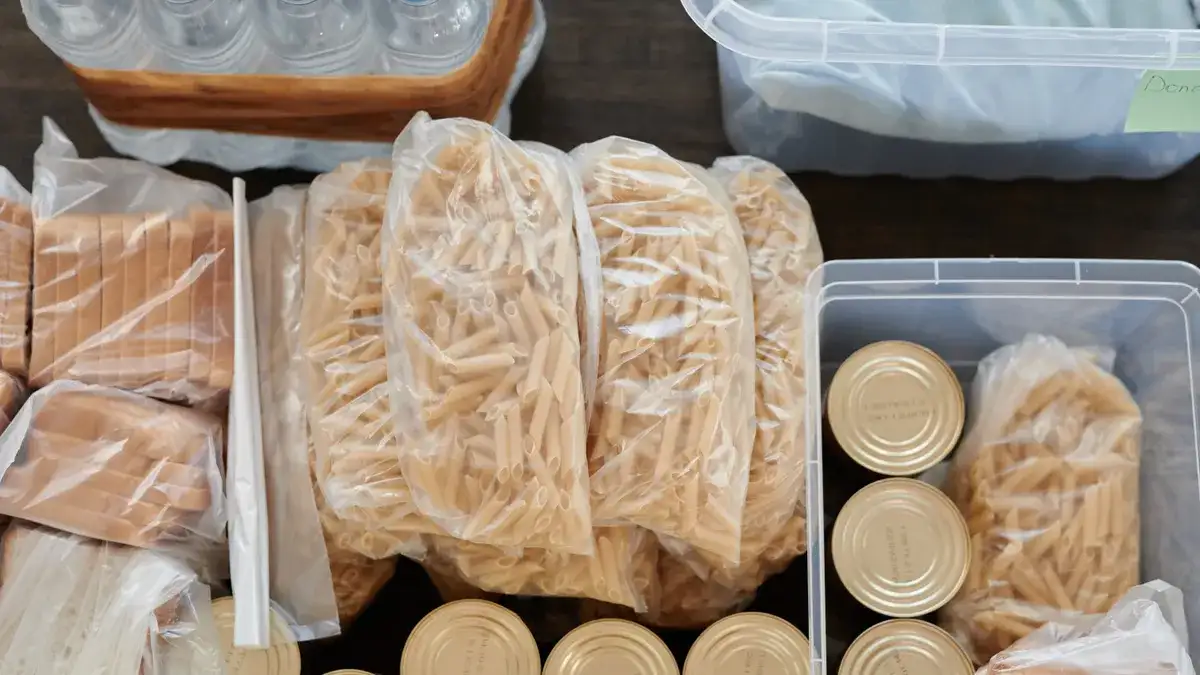
A low histamine emergency pantry has to feed you without fresh shopping for several days. That means it must cover outage meals, no-cook backup food, and the gap between “we need groceries” and “the store trip happened.” If you usually rely on fresh food, this is where the trouble starts.
Picture this: you lose power at 6 p.m., the fridge is warming up, and the roads are bad enough that shopping is off the table for 48 hours. You need a pantry that works in the dark, with water, shelf-stable foods, and a manual can opener within reach. Just useful.
The goal is not a perfect menu. It is a small set of foods you can eat cold or with minimal heat, because a low histamine plan gets harder fast when cooking stops.
Use this frame when you build it:
- Shelf-stable foods you already tolerate
- Water for drinking and simple prep
- Manual can opener if you keep cans
- Paper inventory list so you know what is there
- A way to rotate food every 1 to 3 months before it sits too long
The hardest part is restraint. A lot of emergency storage advice pushes giant bins of random food. That can backfire here. If a food is a histamine problem on an ordinary day, it becomes a worse choice when you are tired, stressed, and eating from a flashlight.
How do you build the low histamine emergency pantry without guessing?
You build it by sorting foods into “safe now,” “possible later,” and “do not store,” then buying only the first group. That keeps the pantry low-risk instead of just full. Start with the foods you tolerate on a regular day, not the foods you wish you tolerated.
Picture this: you are standing in front of an empty shelf and trying to turn it into a backup food system in one trip. Start with the items that need no cooking, survive months on the shelf, and can be eaten the same day you open them. That is the whole game.
Follow this order:
- List the foods you already trust. Write them on paper, not in your phone. Phones die first in outages. The result is a short shopping list that fits your real diet.
- Choose shelf-stable versions. Think plain rice crackers, plain oats if you use them, canned foods you tolerate, applesauce cups if they fit your plan, and unopened foods with simple labels. The result is less spoilage risk.
- Add water before extras. Store bottled water or another safe source you already use. A pantry without water is half a pantry.
- Buy one manual can opener. Keep it in the pantry box, not a kitchen drawer you may not reach in the dark.
- Make a paper inventory list. Put the item, quantity, and open-by date on the page. The result is rotation instead of waste.
- Build one backup meal path for cold food and one for heat. If you can’t cook, the cold path matters more.
- Place the most used items in front. The items you will reach for first should not be buried behind holiday tins from 2022.
A useful rule: if a food needs a lot of decisions, it does not belong in emergency storage. Decision-heavy food is what people ignore when they are tired.
What foods belong in a low histamine emergency pantry?
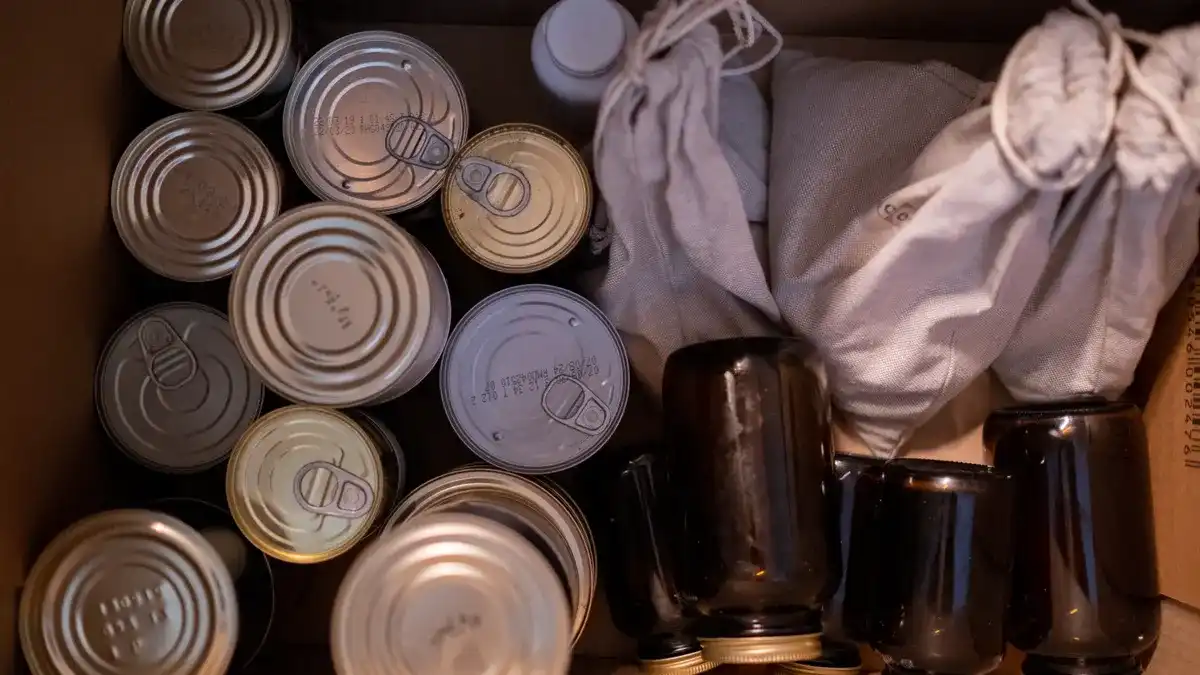
A low histamine emergency pantry usually holds plain, shelf-stable foods with short labels, plus water and a few tools. That usually means foods you can eat cold, foods you can heat quickly, and foods that do not become a cleaning project after opening.
Picture this: the store is closed for the night and you need dinner from a box, not a recipe. This is where a tight list helps. Emergency food should be bland enough to survive stress, but still something you will actually eat.
Good candidates often include:
- Shelf-stable foods you already know you tolerate
- Plain crackers or crispbreads with a short ingredient list
- Single-serve jars or cans only if the contents fit your diet
- Shelf-stable milk alternatives you already use, if tolerated
- Non-acidic fruit cups or applesauce cups, if they suit you
- Water, tea bags, or other simple drinks you already handle well
Two cautions matter here. First, a food can be shelf-stable and still be a poor histamine choice once opened. Second, low histamine tolerance is personal. A pantry that works for one person can be wrong for another. If you need help sorting labels and ingredient lists, the hub on low histamine shopping and ingredient vetting is the right place to start.
Avoid building around these common traps:
- Large containers that may stay open for days
- Leftovers you plan to “save for later”
- Foods with long ingredient lists you do not already trust
- Anything that needs a lot of prep, soaking, or simmering
The best emergency pantry is boring. That is a compliment.
How should you set it up for a power outage?
You should set it up so you can eat for a day or two without opening the fridge or stove. That means grouping food by how you will use it: cold meal, no-cook snack, quick heat, and drink. Put the no-cook items at the front.
Picture this: the lights are out, the kitchen is quiet, and you need something fast before you start shaking from hunger. In that moment, you will not want to sort through six boxes. You will want one shelf, one bin, and one clear list.
Use a simple layout:
- Top shelf: water, tea, and the items you use first
- Middle shelf: cold-eat foods, crackers, cups, cans, and packets
- Lower shelf: backup foods that need a pot, if you still have heat
- Side slot: manual can opener, spoon, paper plates, napkins, flashlight
Then create a 24-hour outage kit inside the pantry:
- 2 to 3 ready-to-eat food choices
- Enough water for drinking and simple prep
- One backup light
- One paper list of what you can eat without cooking
If your area sees frequent outages, keep the most fragile foods out of this system. The fridge is not the emergency pantry. The freezer is not the emergency pantry. The pantry is the place for things that still work after a warm night.
Power outage food also needs a lower cleanup load. A sink full of dishes is a real problem when hot water is gone. Choose foods that leave one bowl, one spoon, or no dishes at all.
How do you keep it from turning into a dead shelf?
You keep it alive by rotating it on a set schedule and writing everything down on paper. A shelf that only gets checked during a storm turns into clutter fast. Rotation is what makes this a pantry, not a museum.
Picture this: you open the pantry after three months and find cans with dust on top, one missing opener, and food you forgot you bought. That is wasted money and a weak emergency plan. Rotation fixes both.
Use a simple rotation habit:
- Check the pantry once a month
- Move older shelf-stable foods to the front
- Mark anything with a near-use date on the paper list
- Replace used items the next time you shop
- Toss anything that has swelling, rust, leaks, or a broken seal
A paper inventory list matters because it works when your phone does not. It also keeps you from buying duplicates while missing a food you are actually low on. Keep the list with the pantry, not in a drawer across the room.
This is also where shopping interruptions get handled. If a snowstorm, illness, or supply delay keeps you out of the store, the list tells you what to replace first. The pantry should bridge the gap, not create another one.
One more mistake costs people food: buying foods “for emergency” that are never eaten in normal life. If nobody will choose it on a calm Tuesday, it will not feel like a safe option during a blackout.
What should you not store, even if it seems smart?
You should not store foods that are high risk for histamine, hard to rotate, or dependent on a working kitchen you may not have. A pantry full of the wrong food looks prepared and still fails when you need it.
Picture this: you have food on the shelf, but every item needs a recipe, a pan, or a fridge that is no longer cold. That is not backup food. That is a false sense of security.
Skip these common mistakes:
- Leftovers in the fridge planned as emergency food. They are the first thing to become unsafe.
- Opened condiments kept as backup. Once opened, they are not a clean emergency supply.
- Foods you rarely eat. If you do not know you tolerate them, they are a gamble.
- Fragile packaging that breaks, leaks, or needs extra storage tubs.
- Huge bulk buys without rotation. If you cannot use it before it ages out, it is not helping.
The trade-off is simple: the safer the food must be for your body, the more boring the pantry becomes. That is acceptable. Emergency food should be repeatable, not exciting.
If your pantry gets more than a small box or one shelf, it is easy to lose track. A larger system is not always easier to keep current. A smaller system that you can maintain is usually the smarter move.
When should you restock after delayed shopping?
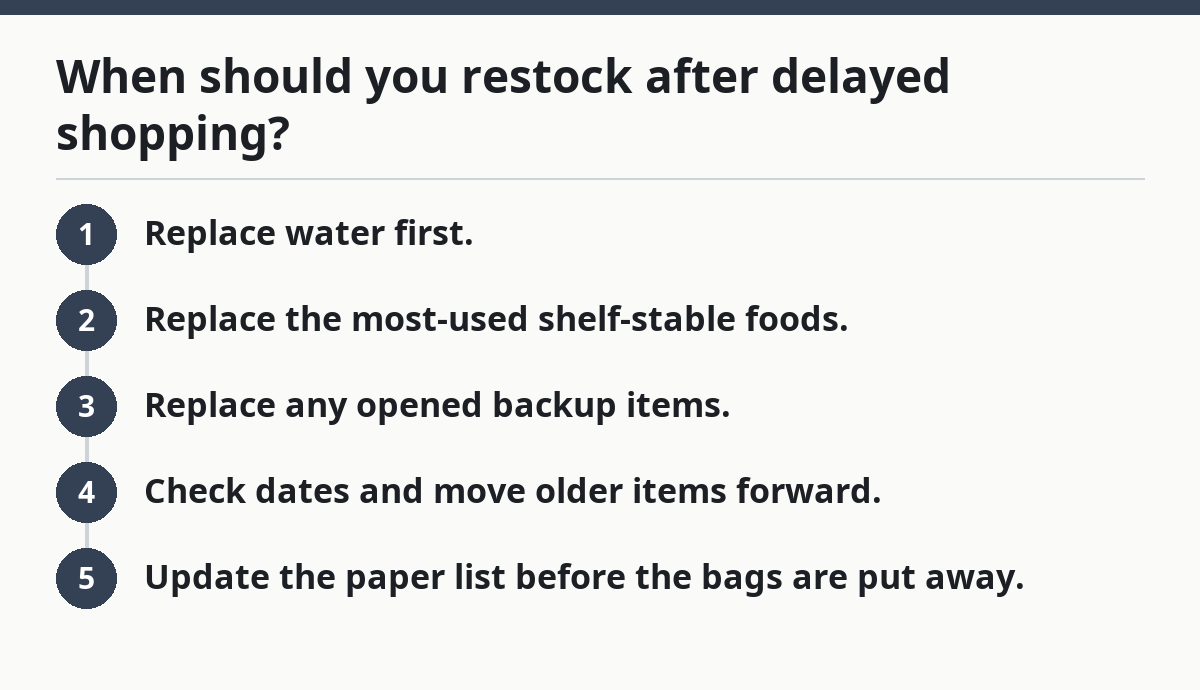
You should restock as soon as the store opens for you, but only after you replace the items you actually used. That keeps the pantry ready for the next delay instead of slowly shrinking into nothing.
Picture this: the roads clear, your energy is low, and you only have one chance to shop. If you walk in without a list, you will replace the wrong foods first. The paper inventory list solves that. It shows what left the shelf and what still needs a backup.
Restock in this order:
- Replace water first.
- Replace the most-used shelf-stable foods.
- Replace any opened backup items.
- Check dates and move older items forward.
- Update the paper list before the bags are put away.
If shopping itself is hard for you, keep the list short. A good emergency pantry does not need a dozen brands. It needs a few foods you can buy again without stress. That is also why label vetting matters; the pantry only works if the replacement food fits the same low histamine pattern.
A low histamine emergency pantry is never “done.” It is maintained. That sounds dull, but dull is exactly what you want when the power is out.
What should be in a low histamine emergency pantry?
A low histamine emergency pantry should hold shelf-stable foods you already tolerate, water, a manual can opener, and a paper inventory list. It should also include at least one no-cook option, because outages often make cooking impossible. Keep the list short enough that you can rotate it before the food ages out.
How do you prepare for a power outage on a sensitive diet?
You prepare by choosing foods that can be eaten cold, storing enough water, and keeping the pantry visible and simple to use. Put the most reliable items at the front, and keep a flashlight and manual can opener with them. If you have a special dietary restriction, it helps to plan before the outage rather than during it.
What foods are good when you cannot shop?
For a low histamine emergency pantry, plain and already familiar foods are the best place to start. Think of items you can eat without fresh ingredients, long cooking, or a big cleanup. If you are unsure whether a packaged food fits your diet, check labels carefully or review ingredient-vetting guidance before buying again.
Drafted with AI; not yet reviewed by a person.