Last updated: November 19, 2026
Quick answer: use 3 checks—sealed package, short ingredient list, and no hot or mixed foods. In a gas station or convenience store, low histamine-friendly food is usually the item that looks unopened, plain, and easy to read in 30 seconds. If the label is hard to read fast, it is usually the wrong pick.
Key takeaways
- Sealed packages beat open bins, deli trays, and hot case food.
- Plain foods are easier to judge than flavored snacks with 10-plus ingredients.
- Single-serve drinks and unopened snack packs are easier to screen fast.
- Long ingredient lists, sauces, vinegar, yeast extract, and “seasoning” words deserve extra caution.
- If you are rushed, pick the item with the fewest moving parts and the shortest shelf life risk.
How do you spot low histamine-friendly foods fast?
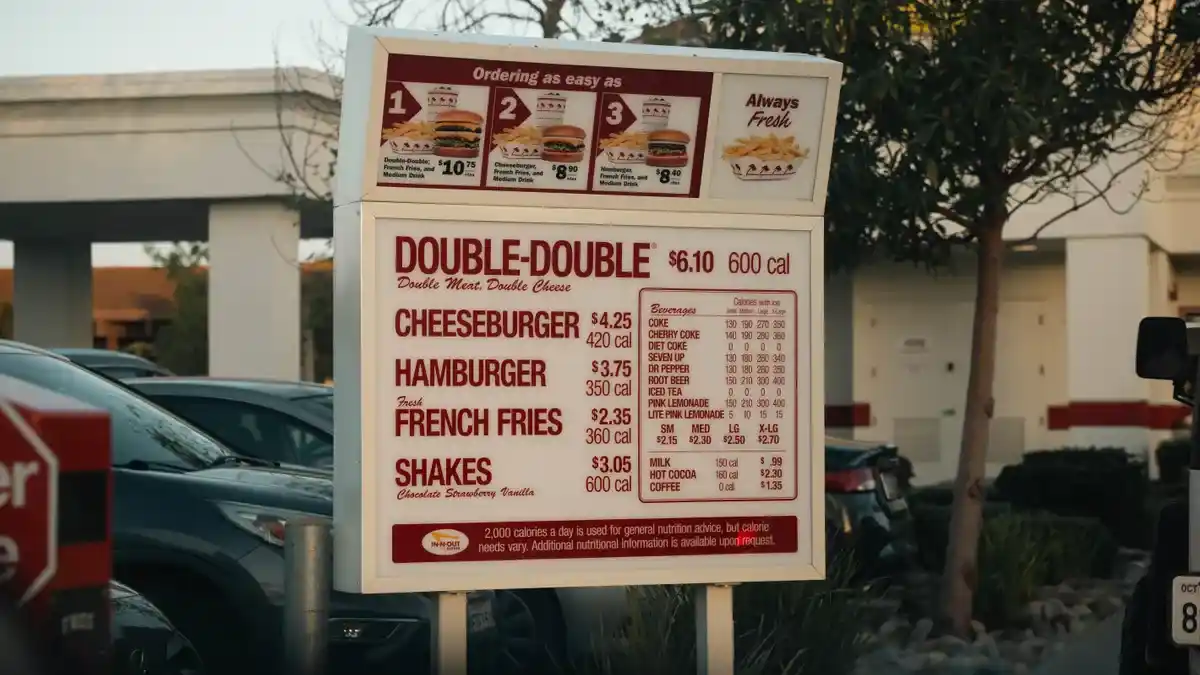
Low histamine-friendly foods are the ones that look simple, sealed, and unprocessed enough to avoid common trigger ingredients. In a gas station or convenience store, the goal is to rule out the worst options in under 1 minute, not to find the perfect food.
The first thing to check is the package itself. A sealed snack pack or single-serve drink is easier to judge than anything made to order, warmed, or sitting open in a case for hours. The second thing is the ingredient list. A short list with plain items is easier to trust than a long one full of flavor systems, sauces, and preservatives.
A useful rule is this: if the food has more than one job, it is often a worse choice. A plain bag of chips, a boxed cracker pack, or a basic drink is easier to screen than a wrap, sandwich, or spicy snack mix. That does not make every plain item safe, but it lowers the odds of a hidden trigger.
This page belongs in the bigger low histamine shopping and ingredient vetting process, but the setting here is tighter: one shelf, one cooler, one menu board, and a decision in a few minutes. How to Spot Low Histamine-Friendly Foods on a Menu Board in a Gas Station or Convenience Store is really a fast-screening problem, not a cooking problem. That is why the better question is not “What is healthy?” It is “What can I identify fast enough to trust?”
For a broader shopping framework, see the related guide on low histamine shopping and the page on ingredient vetting.
What on the menu board is the safest first pick?
A menu board usually points you toward the least complicated item, not the safest one in every case. The first pick is often the option with the fewest ingredients and the least handling.
| Menu board choice | Usually easier to judge? | Why it can work | Why it can fail |
|---|---|---|---|
| Sealed snack packs | Yes | Factory-packed, short ingredient list possible | Flavored coatings, seasonings, added acids |
| Single-serve drinks | Yes | Easy to inspect, no chewing or mixing | Citrus, energy blends, added flavor systems |
| Plain chips or crackers | Sometimes | Often a short label | Onion, garlic, spice blends, yeast extract |
| Hot case food | No | Fast and filling | Heat lamps, sauces, mixed ingredients, unknown hold time |
| Made-to-order sandwich | No | Can remove toppings | Bread, condiments, deli meat, cheese, sauces |
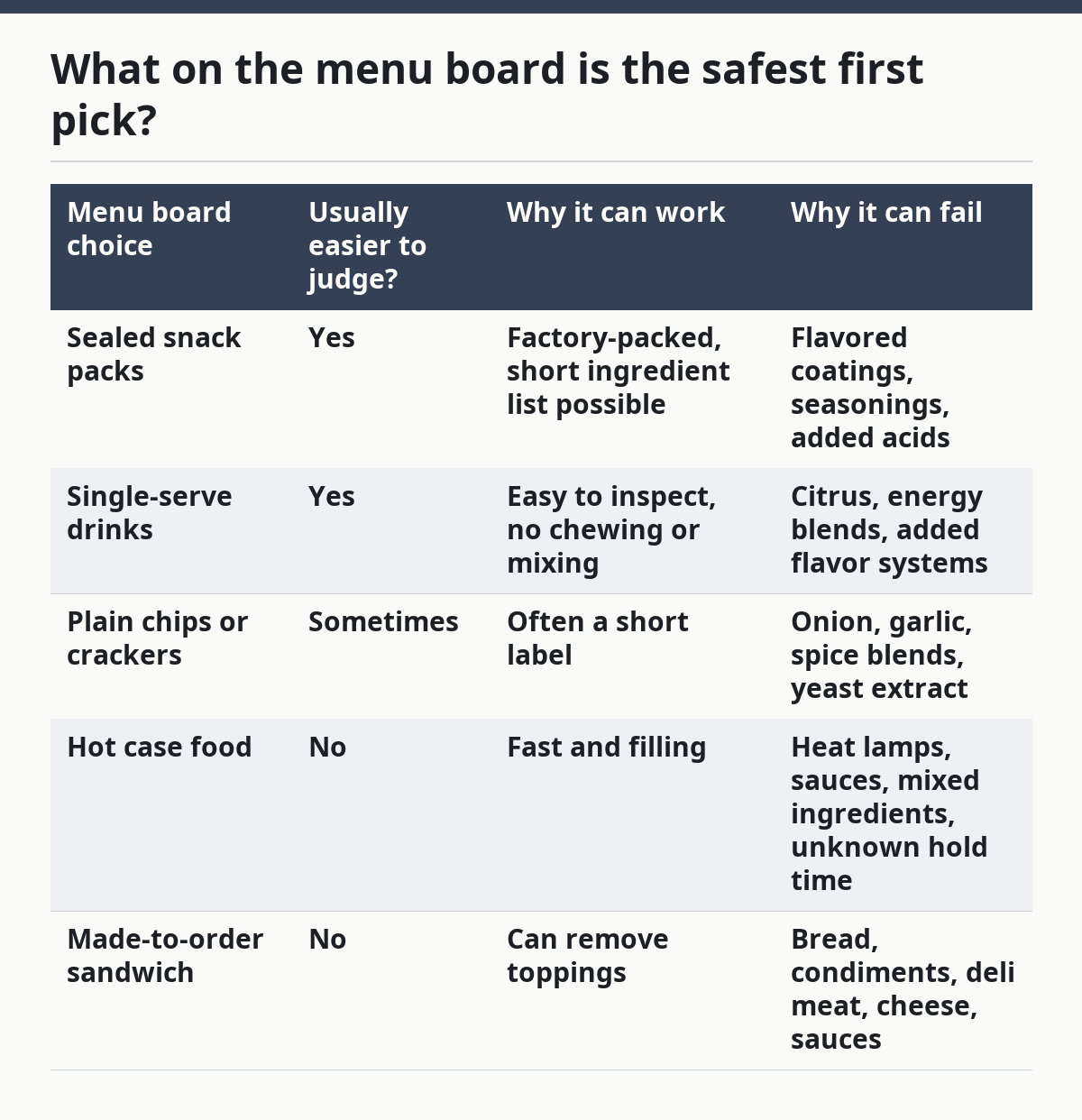
The menu board matters most when it points you toward a format, not a flavor. A “turkey sandwich” sounds simple, but the bun, dressing, cheese, and deli meat can each add a layer of risk. A plain bottled drink is easier than a blended one with a dozen ingredients hidden behind a flavor name.
The rule that saves time is to prefer items with visible packaging in the cooler or shelf over anything that must be assembled. If the only options are hot foods, the board is telling you to slow down and compare the cooler or shelf first.
How do you screen packaged items in 30 seconds?
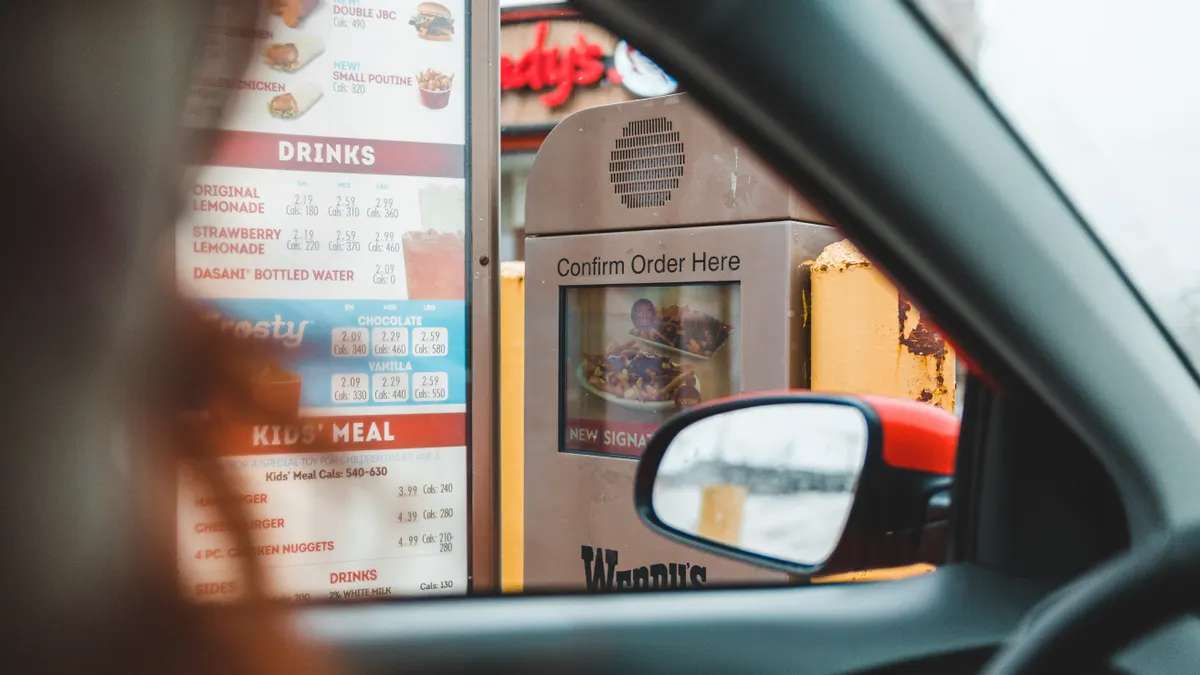
You screen packaged items in 30 seconds by checking the package, the ingredient list, and the number of added extras in that order. This is the core procedure for convenience store food because the goal is not to analyze every item forever; it is to make one fast, practical decision.
-
Look for a sealed package first. Choose a bag, box, bottle, or cup that is fully closed, not open or repackaged. A sealed item is easier to judge than loose food from a warmer or bin.
-
Check the front for plain language. Pick the item that says “plain,” “original,” or nothing fancy before you choose one with “zesty,” “smoky,” “seasoned,” or “loaded.” Fancy names often mean more additives.
-
Scan the ingredient list for shortness. A shorter list is easier to vet than a long one with multiple sauces or spice blends. You do not need to know every chemical name; you just need to notice when the list has grown into a small paragraph.
-
Watch for common problem words. Words like vinegar, yeast extract, broth, “natural flavors,” seasoning, marinade, and sauce deserve a pause. They do not automatically rule the item out, but they often hide the parts most likely to cause trouble.
-
Compare 2 items side by side. If one bag of crackers has 6 ingredients and another has 14, the 6-ingredient item is usually the cleaner bet. In a cramped store, the simpler label often wins.
-
Choose the item you can eat as-is. If a food needs mixing, heating, or add-ons to become edible, it has already become less useful. A low histamine-friendly choice should not depend on extra steps at the counter.
This method works because it treats the shelf like a filter. You are not trying to solve the whole diet in 5 minutes. You are only trying to avoid obvious trouble when choices are thin.
For label details, FDA guidance on How to Read Food Labels and The Nutrition Facts Label is a useful starting point.
Which grab-and-go basics are worth checking first?
The plainest sealed snack packs and single-serve drinks on the shelf or in the cooler are worth checking first. These items are the easiest to screen quickly because they usually need no assembly, no waiting, and no extra condiments.
In a gas station, the first place to look is often the cooler door, then the dry shelf, then the register area. A cooler often gives you a better chance of finding something unopened and simple than the hot food case. Single-serve drinks can also help when food choices are weak, because they are easy to inspect quickly and do not depend on extra prep.
Good candidates are usually the items that look almost too simple to mention: plain crackers, plain chips, simple bottled water, and other single-pack foods with short labels. The less the item tries to imitate a meal, the easier it is to judge. That matters in a convenience store, where “snack” often means “small meal with extra ingredients.”
A common mistake is assuming that anything packaged is safe enough. A sealed package can still contain vinegar, spice blends, cheese powder, or flavor systems that make it a poor fit. Another mistake is grabbing the largest bag because it seems safer value-wise. A bigger bag with 18 ingredients is still a bigger risk than a smaller item with 5.
The better habit is to think in layers. First ask, “Is it sealed?” Then ask, “Is it plain?” Then ask, “Can I read the label in less than 30 seconds?” If the answer to the last question is no, leave it on the shelf.
For example, if two shelf items look similar, the one with fewer ingredients is usually the better fit for a low histamine-friendly stop.
What should you skip even if it looks plain?
You should skip anything hot, mixed, marinated, fermented, or heavily seasoned even if it looks plain from the outside. These are the items that often hide the most histamine-related risk in a convenience store setting.
Hot case food is the most obvious trap. Pizza slices, breakfast sandwiches, chicken pieces, and other heat-lamp foods can look simple but have sauces, cheese, meats, and long hold times behind the counter. A menu board can make them sound safe, yet the actual food is usually far more complicated than the name suggests.
Also skip foods with vinegar, pickled toppings, fermented sauces, or strong seasoning blends unless the label is unusually simple and you already know the product. Many gas station items use flavor layers to make shelf food taste fresh, and those layers often show up in the ingredient list as “seasoning,” “natural flavors,” or a sauce base.
Here is the hard trade-off: the plainest choice is not always the most filling choice. A bag of crackers or a small snack pack may feel too small, but a larger hot item can bring a bigger risk. For someone trying to keep symptoms calmer, the smaller and plainer item is often the better loss to take.
This section is where the page is least friendly to impulse buying. If a food needs refrigeration, reheat, or a wipe-down before you feel good about it, it is usually not the right choice in this setting. That is especially true in a store where the line is long and the cooler is your best shot.
What if the store only has junk food?
If the store only has junk food, the best move is to pick the least complicated sealed item and stop chasing a perfect answer. Gas stations and convenience stores are limited places, and a low histamine-friendly choice there is often a compromise, not a clean win.
Start with the smallest number of ingredients, not the loudest label. A plain snack pack with 5 to 7 ingredients is easier to justify than a flavor bomb with a long list of additives. If there are two similar items, choose the one that is simpler and more obviously sealed.
Use the cooler and shelf as your backup plan before the hot case. Many people reach for the first warm item because it feels more like a meal, but a single-serve drink plus a plain packaged snack may be the better fit. That pair also helps when the store has only 3 or 4 acceptable items total.
The limit here is honesty: some stops will not have a good option. That is the point where a person has to decide whether to delay eating, choose the least risky item available, or wait for a better store. This guide is not for someone trying to build a full day of eating out of convenience store food. It is for the quick stop where the choice has to be made in minutes.
If the shelf is crowded and the menu board is pushing hot food, the safest answer is often still “none of the above.” That is not dramatic; it is practical.
What should you remember at the counter?
At the counter, you should remember that the fastest low histamine-friendly pick is usually the sealed item with the shortest label and the least handling. That last check matters because the store can be busy, and the line can pressure you into choosing the first thing that looks edible.
Use the counter as the final filter, not the first. If you are holding 2 items, choose the one that is easier to explain in one sentence: “plain crackers,” “single-serve drink,” or “sealed snack pack.” If the item needs a long explanation, it probably has too many parts for this kind of stop.
It also helps to keep your own limit in mind. A 20-minute road stop is not the place to figure out a new product category. You are looking for a narrow yes or no, not a full grocery strategy. That is why plain beats fancy, sealed beats open, and short beats long.
For broader shopping patterns and ingredient vetting, the hub on low histamine shopping can sit above this page. This article stays focused on the gas station and convenience store problem: fast decisions in a thin aisle.
What are the easiest rules to apply in a hurry?
The easiest rules are to choose sealed, plain, short-label items and to avoid hot, mixed, or heavily seasoned foods. If you can apply those 4 rules in under 1 minute, you can usually spot the best available option on a convenience store menu board.
Think in this order: sealed first, plain second, short label third, no sauces or seasoning fourth. That is a better filter than trying to memorize every ingredient that might cause trouble. It also works in a gas station, where the shelf changes fast and the menu board may not tell the whole story.
For label guidance, FDA pages on How to Read Food Labels and The Nutrition Facts Label are useful starting points. Those pages explain what to look for on the package itself, which matters when the store gives you only a few seconds to decide.
The bottom line is plain: in a convenience store, low histamine-friendly food is usually the food that looks least exciting and easiest to read.
What can I eat at a gas station on a low histamine diet?
You can usually look first at sealed snack packs, plain crackers, and single-serve drinks. Those are the easiest items to screen quickly because they are packaged, simple, and less likely to hide a long list of mixed ingredients.
How do I choose safe convenience store food?
You choose the safest option by checking for a sealed package, a short ingredient list, and a plain flavor name. If the item is hot, marinated, sauced, or hard to read in 30 seconds, it is usually the wrong pick for this setting.
What should I look for at a convenience store?
You should look for sealed, plain items with the fewest ingredients and the least handling. The best clue is not the marketing on the front of the package; it is whether the back label stays simple enough to scan fast.
Drafted with AI; not yet reviewed by a person.