Last updated: August 10, 2026
- A 2023 consumer trend report from Mintel noted that plant-based eating remains a mainstream food category, but the practical fit still depends on the product.
- In practice, prices can range from about $2 to $6 per carton or tub, and that gap adds up fast over a month.
- Quick Answer: In most cases, 3 simple categories cover low histamine dairy alternatives: milk, yogurt, and cheese substitutes.
- So I would not chase a mythical “low histamine” cheddar first.
Quick Answer: In most cases, 3 simple categories cover low histamine dairy alternatives: milk, yogurt, and cheese substitutes. Histamine can turn ordinary dairy into trouble fast. So I would not chase a mythical “low histamine” cheddar first. Start simpler: a neutral milk for coffee or cereal, a plain cultured stand-in for yogurt, and a fresh, non-aged spread or meltable option for cheese cravings. The real answer depends on what you are replacing. Milk, yogurt, and cheese fail in different ways.
I write on food intolerances and ingredient label reading, so I look at low histamine dairy alternatives: milk, yogurt, cheese substitutes the way a cautious shopper has to—by what is likely to sit well, what is not, and where the hidden traps are. Honestly, the label matters more than the ad. People managing histamine intolerance, mast-cell issues, or a “my body hates fermented foods” pattern can lean on a clinician or dietitian to narrow the field. Usually, the safest move is to pick simple, fresh, unsweetened substitutes and skip anything aged, fermented, or heavily processed.
The Real Difference Between Low Histamine Dairy Alternatives and Regular Dairy
Freshness is the divider. Processing is another. Fermentation too. Regular milk, yogurt, and cheese can all be rough for a low-histamine diet, but not for the same reason. Milk is usually the easiest product to replace because you are mostly chasing texture and mild flavor. Yogurt is tougher; its whole identity is fermentation, and that is exactly where histamine can climb. Cheese is the hardest. The kinds people miss most are often aged, and aging moves in the wrong direction for histamine.
So the best swap changes with the job. When replacing milk, I would reach first for simple, unsweetened plant milks with short ingredient lists: oat, rice, or coconut-based options often behave better than “barista” blends with gums, flavors, or added proteins. To replace yogurt, I would look for plain, unsweetened non-dairy yogurts made from coconut or oats, and I would be wary of anything with a long ferment or a long additive list. For cheese, I would go after fresh, non-aged alternatives: cashew-style spreads, ricotta-style substitutes, simple cream-cheese-style spreads, or mozzarella-style plant cheeses made for melting.
What generic advice gets wrong is treating every dairy substitute as equally safe. They are not. A product can be dairy-free and still be a poor fit if it is fermented, aged, acidic, or packed with additives that some people react to. Histamine intolerance is personal. Very personal. The ingredient list usually tells you more than the marketing copy.
Milk Alternatives: Who Should Actually Use This and Who Shouldn’t
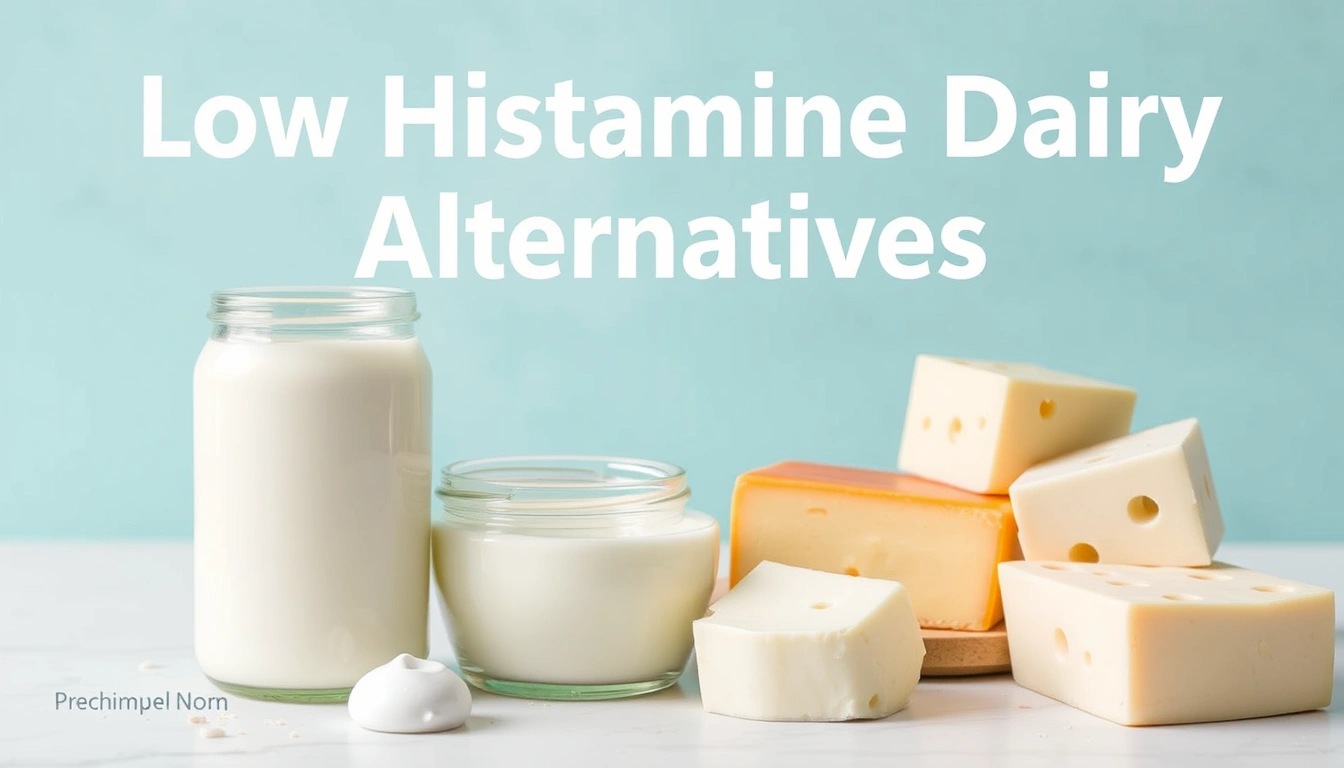
Milk substitutes are the easiest win. They should be the first stop if you still want something for coffee, cereal, or baking. Choose a plain, unsweetened milk alternative when you care more about function than flavor. That usually means oat, rice, hemp, or coconut-based milks.
The upside is predictability. Short labels mean fewer surprises, and most milk replacements do not rely on fermentation. That matters when your symptoms come from cumulative exposure instead of one giant trigger. Neutral-flavored milks also keep meals familiar. Small thing, big relief.
The downside? “Plain” often means thin, watery, or a little odd in hot drinks. Some plant milks split in coffee, some taste sweet even when unsweetened, and some lean hard on gums or emulsifiers to imitate dairy. If you are sensitive to additives, that can become its own headache. I would skip flavored milks, protein-fortified blends with long labels, and anything marketed as extra creamy if the ingredient list keeps growing.
Milk alternatives suit people who want the least disruptive swap. They are not a perfect dairy clone. Far from it. If you need rich body in a sauce or a stable foam in coffee, you may have to test a few options. My preference is to begin with one simple milk and see whether your body and your palate both accept it before moving to more engineered versions. For a broader shopping guide, see our low histamine pantry basics and how to read dairy alternative labels.
Yogurt Alternatives: The Specific Situations Where It Wins
Yogurt alternatives only win when you want the spoonable texture, not the fermentation. That is the whole deal. Use them if you miss breakfast bowls, want something tangy-ish with fruit, or need a dairy-free base for a quick dressing. Coconut-based and oat-based yogurt alternatives are the obvious places to start because they can mimic yogurt’s body without using milk proteins.
Their strength is convenience. Spoon, mix, top, eat. Done. Plain versions can also be fairly simple, and some people tolerate them better than dairy yogurt because they avoid lactose and dairy proteins. If your symptoms are tied to dairy itself, that matters.
The weakness is less tidy. Many yogurt substitutes are not low histamine in practice, even when they look harmless. Some use cultures or long fermentation processes. Others use thickeners, added fibers, or fruit prep that can complicate digestion. And the taste can be a mixed bag: coconut yogurt can be rich but also overpowering; oat yogurt can seem sweeter and softer than you expected. Weirdly, one “safe” tub can still feel like it was built by committee.
I would not choose a yogurt alternative if you are highly reactive to fermented foods in general, or if you are looking for a probiotic product to “help” histamine issues. Probiotics are great for some people. For others, they are the wrong move entirely. If you have a history of reacting to cultured foods, start with very small portions and plain flavors only, and talk with a clinician or dietitian if you are trying to sort out whether fermentation itself is a trigger. For context on label claims and culturing, see the NIAID food allergy guidance and Cleveland Clinic’s histamine intolerance overview.
Cheese Alternatives: The Honest Side-by-Side
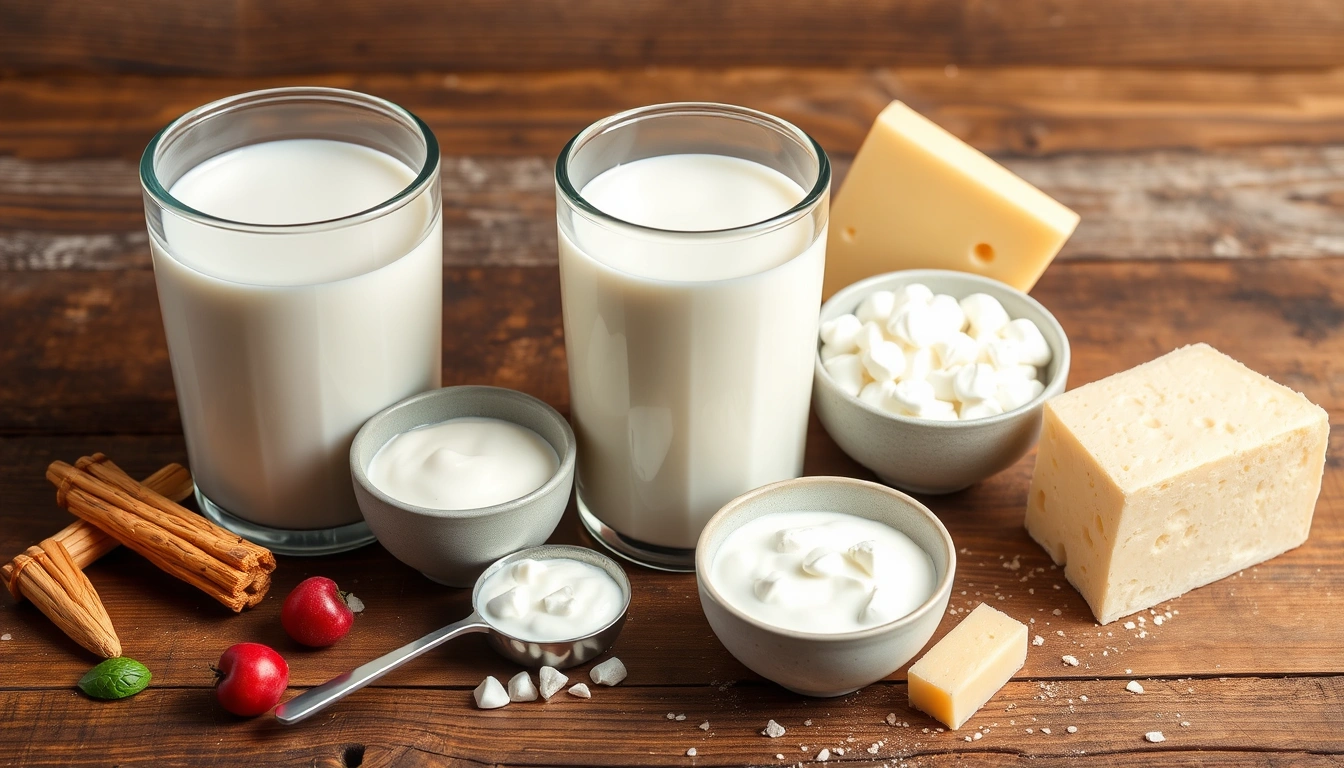
Cheese is where expectations have to get smaller. There is no substitute that truly copies aged cheddar, parmesan, or brie and stays clearly low histamine for everyone. The best low histamine cheese alternative is usually the one that matches your aim: spread, melt, slice, or top.
Here is the honest comparison I would use:
| Criteria | Milk Alternatives | Yogurt Alternatives | Cheese Alternatives | Winner for [condition] |
|---|---|---|---|---|
| Ease of finding a simple ingredient list | Usually easiest | Moderate | Often hardest | Milk alternatives for minimal-label shoppers |
| Likelihood of fermentation-related histamine concerns | Lowest | Highest | Depends on style, but often moderate to high | Milk alternatives for sensitive eaters |
| Useful in coffee or cereal | Strong | Poor | Poor | Milk alternatives for drinks and bowls |
| Useful as a breakfast base | Moderate | Strong | Poor | Yogurt alternatives for spoonable meals |
| Useful for melting or topping savory food | Poor | Poor | Best option | Cheese alternatives for pizza, toast, pasta |
| Risk of hidden additives | Moderate | Moderate to high | High | Milk alternatives for simpler formulas |
| Flavor closest to dairy | Varies | Varies | Varies widely, often not close | No clear winner; choose by use, not nostalgia |
| Best fit for low-histamine caution | Often best starting point | Conditional | Most likely to disappoint on histamine and taste | Milk alternatives for first trial |
Function is the strength of cheese alternatives. When you need something that melts or spreads, they are the main category that can replace cheese on a plate. The weakness is honesty: most plant cheeses are built from starches, oils, and flavorings, not from the kind of fresh dairy analog people hope for. Some also come with a long ingredient list, which makes them less appealing if you are trying to cut variables. A 2023 consumer trend report from Mintel noted that plant-based eating remains a mainstream food category, but the practical fit still depends on the product.
My take is simple: when you want a cheese substitute, pick by format first. Spreadable for crackers, meltable for pizza, firmer slices for sandwiches. Do not expect one product to do all three well. That expectation is how people end up annoyed and still hungry. Fair trade-off? Maybe. But it is real.
Our Verdict: Which One to Choose and Why
Choose milk alternatives if your main problem is replacing milk in drinks, cereal, or baking and you want the lowest-risk starting point. Choose yogurt alternatives if you want a spoonable breakfast or snack and you tolerate plain cultured-style foods reasonably well. Choose cheese alternatives if your main goal is savoring a savory plate and you care more about texture than perfect flavor.
My clear recommendation: start with milk alternatives first, then test yogurt alternatives, and leave cheese substitutes for last. Milk alternatives are usually the easiest to keep simple. Yogurt alternatives are more conditional because fermentation can be a problem. Cheese alternatives are the most likely to disappoint if you are expecting a close match.
That order matters because low-histamine eating is not only about avoiding triggers; it is about reducing chaos. The more a substitute is processed, fermented, flavored, or aged, the more you have to wonder which part set you off. A plain milk alternative usually gives you fewer variables than a cultured yogurt or a fake cheese engineered to melt. Clean inputs. Cleaner clues.
When shopping, look for brands available through more than one retailer so you are not stuck with one seller’s version or one shipping option. Check the current price at Amazon, Walmart, Target, the brand’s own site, or a grocery retailer that carries the product locally. In practice, prices can range from about $2 to $6 per carton or tub, and that gap adds up fast over a month. The point is flexibility, not chasing a bargain number that may change next week. If you want to compare options, see our shopping guide for low histamine staples and best dairy-free basics.
When to Reconsider This Choice Entirely
There are times I would step back and ask whether any dairy substitute is the right move at all.
First, if you react to many plant ingredients, not just dairy, the substitute aisle can become a trap. Gums, fibers, oils, and added proteins can be as annoying as the original problem. In that case, I would simplify meals instead of trying to recreate dairy. Sometimes the whole project gets muddy.
Second, if fermented foods reliably make you worse, yogurt alternatives are probably not your friend even when they are dairy-free. That is not a failure on your part; it is a mismatch between the product and your body.
Third, if your main goal is protein or calories, a dairy substitute may not do enough. Many milk and yogurt alternatives are light on protein unless fortified, and some cheese substitutes are more about texture than nourishment. In that case, I would look at other low-histamine foods that meet the actual nutritional need.
Fourth, if you are in a flare and every new food is suspect, I would not add three substitutes at once. Pick one item, one brand, one format, and use it consistently for a short stretch so you can see whether it helps or harms. A cluttered experiment teaches you almost nothing. For more on symptom tracking, see our elimination diet tracker.
The Specific Situations Where the Verdict Flips
There are a few cases where my general order changes.
If you mainly want a savory melt for pizza, toast, or casseroles, cheese alternatives move to the top. Milk and yogurt will not solve that job.
If your body handles fermentation well but reacts strongly to dairy proteins, a plain yogurt alternative may be safer than some milks or cheese-style products, especially if it has a short ingredient list.
If you need the most neutral option for a very sensitive stomach, rice- or oat-style milk alternatives often make more sense than any cultured substitute. They are the least “busy” choice.
When dessert-like texture matters most, a plain coconut yogurt alternative can be the better fit, but only if coconut itself is not a trigger for you.
My bottom line is straightforward: low histamine dairy alternatives are useful, but only when you pick them by function and ingredient list, not by category label. Milk substitutes are usually the safest starting point, yogurt substitutes are conditional, and cheese substitutes are the most useful only when you accept that they are stand-ins, not replicas.