Last updated: August 10, 2026
- For some people, that narrowness is useful for 7 to 14 days.
- Apples may run about $1 to $2 each, cucumbers about $1 to $2 each, and zucchini about $1 to $2 per pound.
- The cheapest plan is not always the best-tolerated plan, but price matters when you are repeating the same foods for 7 to 14 days.
- It is to build a short, workable elimination list and keep the variables low.
Quick Answer / Key Facts: A low histamine fruits vegetables list for an elimination diet usually starts with 5 fruits and 5 vegetables. A practical first list is apples, pears, blueberries, grapes, zucchini, carrots, cucumber, sweet potato, and lettuce. Histamine intolerance varies by person, and freshness matters as much as the food itself. Talk with a qualified clinician or dietitian before making major changes.
A fresh cucumber on the cutting board can matter more than a polished chart. Really.
Start small. If you are building a low histamine fruits vegetables list for an elimination diet, the safest practical move is to begin with a short set of fruits and vegetables that are commonly better tolerated, keep everything very fresh, and treat your own reactions as the final test. Histamine intolerance varies a lot from person to person, so I’d speak with a qualified clinician or dietitian about your specific situation before making major changes.
I write about food and health with a special focus on ingredient lists, trigger patterns, and how elimination diets are actually used in daily life. What matters here is that the hard part is not finding a “safe” food list; it is finding one strict enough to calm symptoms without shrinking meals so much that it creates new problems. Too narrow? That can bite back.
The Real Difference Between “Generally Low Histamine” and “Safe for Everyone”
Simple enough: “generally low histamine” is a starting point, not a guarantee. During an elimination diet, I would use a conservative list of fruits and vegetables that are commonly reported as easier to tolerate, then remove anything that still seems to trigger symptoms.
A generic article often gets this wrong by pretending histamine is a fixed number attached to each food. It is messier than that. Ripeness, storage time, fermentation, leftovers, and individual sensitivity can all change the picture; a tomato that sits around for days is not the same as a just-picked cucumber. A frozen vegetable may behave differently from one that has been chopped and left in the fridge.
In practice, the goal is not to memorize a perfect database. It is to build a short, workable elimination list and keep the variables low. In that sense, the best “low histamine” produce is usually plain, fresh, and minimally handled.
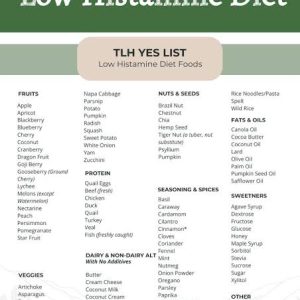
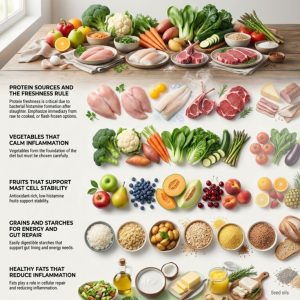
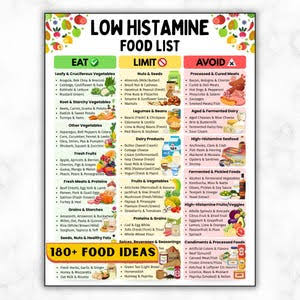
My recommendation for the first pass is to center meals on foods that are commonly included in low histamine guides from dietitians and patient-facing resources: apples, pears, blueberries, grapes, melon, lettuce, cucumber, zucchini, carrots, cauliflower, broccoli, green beans, cabbage, and sweet potato. That is not a promise of tolerance. It is a reasonable place to start when a clinician has advised an elimination approach.
The downside is obvious: a very short list can get repetitive fast. It can also miss other triggers entirely, because some people react to salicylates, oxalates, FODMAPs, or simply to large changes in diet. I would not treat the list below as a diagnosis tool. I would treat it as a trial menu, with guidance from a qualified clinician or dietitian and a source such as the Cleveland Clinic’s overview of histamine intolerance and elimination-style symptom tracking.
Low Histamine Fruits: The Specific Ones I Would Put First

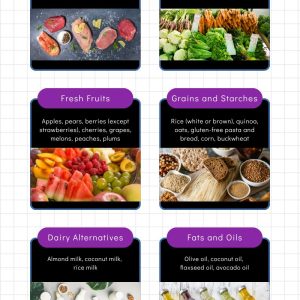
For fruit, I would start with the options that are commonly described as simpler and less likely to be troublesome in elimination diets. The strongest candidates are apples, pears, blueberries, grapes, and melon. Those are the fruits I would reach for first when the goal is to keep the diet bland, fresh, and easy to repeat.
Here is the practical version of that list:
- Apples
- Pears
- Blueberries
- Grapes
- Melon, such as cantaloupe or honeydew, if tolerated
- Peaches or mango are sometimes included in broader low histamine lists, but I would keep them lower on the list because tolerance varies more
Why do these show up so often? They are fresh fruits, not fermented, not aged, and not usually linked as strongly with histamine concerns as citrus, strawberries, bananas, or dried fruit. That does not make them universally safe. It just makes them better candidates for a first-elimination phase.
Storage is the weak point. Cut fruit that sits around can become a problem for some people, and overripe fruit is often reported as less reliable. So if a fruit is in your trial list, I would keep the portion simple and the timing fresh. A bowl of fruit salad that has been sitting in the fridge is not the same as fruit eaten shortly after prep.
Who is this section for? Someone who needs breakfast or snack options that are easy to tolerate, easy to buy, and easy to prepare without sauces or processing. Who should be cautious: anyone who already knows they react to high-sugar foods, very ripe fruit, or fruit-heavy meals. For those readers, even “low histamine” fruit can be too much.
Honestly, apples and pears are often the best anchor fruits for an elimination phase, but that is a practical preference, not a guarantee. Blueberries and grapes are useful too; I would just watch the response more closely. If fruit seems to worsen symptoms, I would not assume the diet is failing. I would assume fruit needs a narrower trial.
Low Histamine Vegetables: Where the Elimination Diet Usually Has the Best Odds
Vegetables usually give the elimination diet its backbone. If a reader asks me for the shortest useful low histamine vegetable list, I would point to lettuce, cucumber, zucchini, carrots, cauliflower, broccoli, green beans, cabbage, and sweet potato. These are the vegetables I would most often start with because they are versatile, easy to cook plainly, and commonly included in low histamine guidance.
A useful list looks like this:
- Lettuce
- Cucumber
- Zucchini
- Carrots
- Cauliflower
- Broccoli
- Green beans
- Cabbage
- Sweet potato
- Asparagus is sometimes included in broader lists, but I would keep it as a personal trial food rather than a default safe pick
Why these work for elimination: they are less likely to be aged, fermented, or preserved. They also fit simple meals without relying on spice blends, sauces, or leftovers. A baked sweet potato, steamed carrots, and fresh cucumber are not exciting, but they are easy to control. That matters when you are trying to separate food reactions from everything else.
The drawback? Some of these vegetables overlap with other sensitivity patterns. Cruciferous vegetables like broccoli and cauliflower can be rough for people with gas, bloating, or IBS-type symptoms. Cabbage can also feel heavy. So when symptoms persist, the question is not only “Is this low histamine?” but “Is this otherwise easy on my gut?”
Who should use this list: people who need a simple, repeating set of vegetables for meals during a short elimination phase. Who should not rely on it blindly: anyone who already reacts to large portions of crucifers, raw vegetables, or fibrous foods. For those readers, cooked carrots, zucchini, cucumber, and sweet potato may be easier than broccoli or cabbage.
My opinion? Zucchini, carrots, cucumber, and sweet potato are the most practical base vegetables. They are easy to combine and usually less controversial than the more fibrous choices. I would keep broccoli, cauliflower, and cabbage in the “test later, if needed” category.
The Honest Side-by-Side
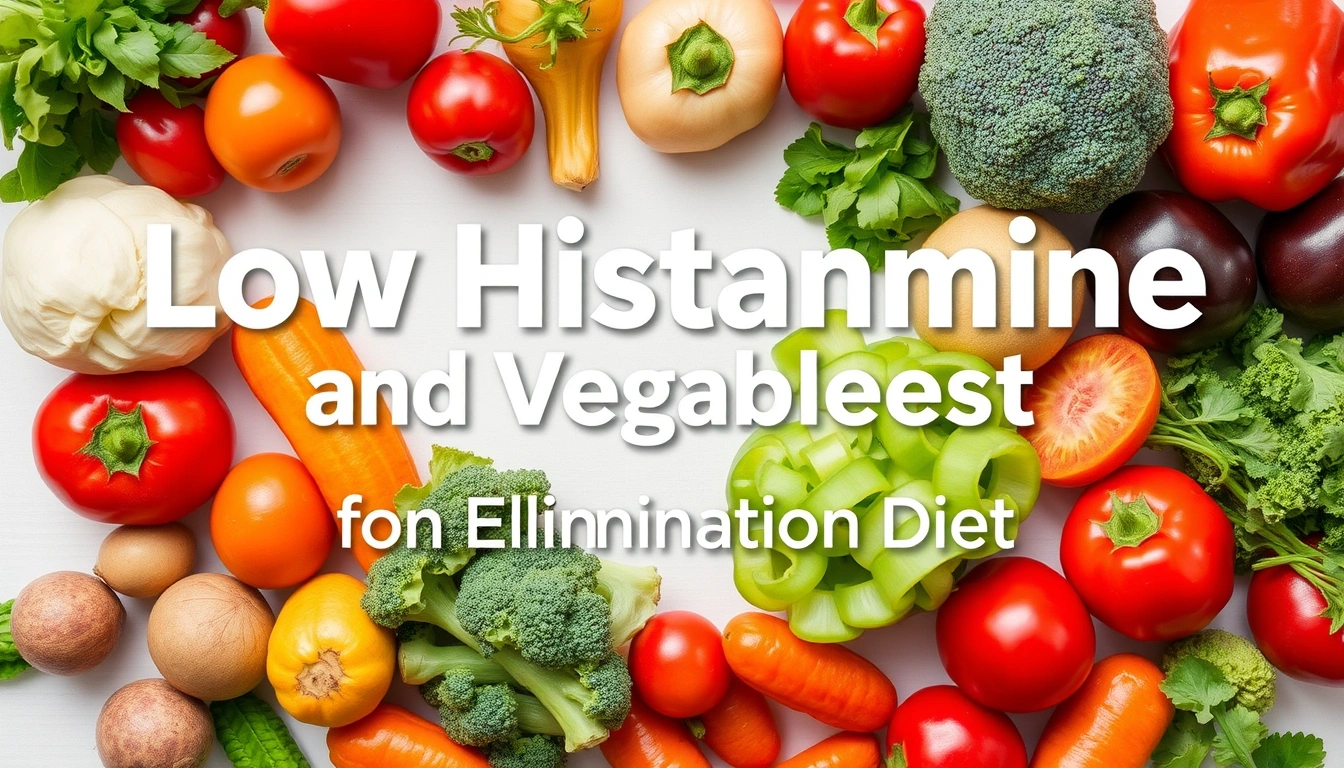
The best choice depends on what you need the produce to do in real life. Fruits can make an elimination diet feel less punishing, but vegetables usually carry the meal. If you are building a plan you can actually repeat, vegetables are the stronger foundation and fruit is the smaller support.
| Criteria | Fruits | Vegetables | Winner for elimination diet |
|---|---|---|---|
| Ease of starting a short food list | Simple if you choose apples, pears, grapes, blueberries | Very simple with cucumber, zucchini, carrots, sweet potato | Vegetables |
| Risk from ripening and storage | Higher; overripe and cut fruit can be less reliable | Usually more stable when fresh or cooked plainly | Vegetables |
| Meal-building usefulness | Better as snacks or sides | Better as the base of lunches and dinners | Vegetables |
| Chance of overlapping with other sensitivities | Fruit sugar and ripeness can be issues for some people | Cruciferous vegetables can bother sensitive stomachs | Depends on the person |
| Convenience for a busy kitchen | Very convenient if eaten whole and fresh | Convenient if you can steam, roast, or prep simply | Tie |
| Likelihood of hidden processing | Lower if eaten whole, higher in juices or dried fruit | Lower if bought plain, higher in sauces or pre-seasoned mixes | Tie |
| Gut-friendliness beyond histamine | Can be easier in small amounts, but sugar may matter | Often better for structure, but fiber can be a problem | Depends on the person |
| Best role in elimination | Supportive, not central | Core building block | Vegetables |
The table points to my bottom line: vegetables are the more useful category for daily elimination, while fruits are the easier morale booster. A generic article would stop there. I would not. The detail that gets missed is this: a food can be “low histamine” and still be a bad fit because of fiber load, sugar load, or texture.
Fresh handling is the other piece. In histamine work, it matters just as much as the ingredient itself. That is why leftovers, meal prep, and long storage deserve as much attention as the produce list. A tidy fridge can lie to you.
What Does a Low Histamine Fruits and Vegetables List for an Elimination Diet Cost?
Prices depend on season, region, and whether you buy organic, but a basic one-day starter list often costs about $7 to $15 per person if you buy standard grocery produce in the U.S. Apples may run about $1 to $2 each, cucumbers about $1 to $2 each, and zucchini about $1 to $2 per pound. Frozen plain vegetables can be cheaper, while berries and melon often cost more per serving.
If you want the lowest-cost version, choose carrots, cabbage, lettuce, sweet potato, and apples first. If you want the easiest version to prep, choose cucumber, zucchini, pears, and blueberries. The cheapest plan is not always the best-tolerated plan, but price matters when you are repeating the same foods for 7 to 14 days.
Should You Choose Fruits or Vegetables First?
Choose vegetables if you want the most practical elimination base and need foods that can carry actual meals. Choose fruits if you need a small, simple set of foods for snacks, breakfast, or symptom-tracking and you already know you tolerate fruit reasonably well. Neither if your symptoms are severe, unclear, or changing fast without medical guidance.
That is the decision I would make for most readers: vegetables first, fruit second. The reason is not that fruit is “bad.” The reason is that vegetables are easier to center in plain meals without accidentally stacking sugar, ripeness, and storage issues on top of one another.
My recommendation for a first-pass list would be:
– Vegetables: zucchini, carrots, cucumber, sweet potato, lettuce
– Fruits: apples, pears, blueberries, grapes
If I had to trim it even further, I would keep zucchini, carrots, cucumber, apples, and pears. Small. Manageable. Not so tiny that the diet becomes impossible to follow.
The honest limitation is that this is still a trial framework. Low histamine eating is not a universal therapy, and the research base is not clean enough to make it one. Some people feel better with this approach; others do not. If symptoms are severe, involve weight loss, or include trouble breathing, swelling, or faintness, that is a reason to seek medical care rather than keep experimenting alone.
What Are the Best Alternatives to This Low Histamine Produce List?
If this list does not fit, the main alternatives are a broader elimination plan guided by a clinician, a low-FODMAP approach if bloating is the main issue, or a simpler whole-food plan that avoids only the most obvious triggers at first. Compared with those options, a strict low histamine fruits vegetables list for an elimination diet is narrower, more symptom-focused, and often harder to keep up with.
For some people, that narrowness is useful for 7 to 14 days. For others, it is too restrictive and adds stress without clear benefit. I would not switch between diets quickly on your own. A structured trial works better when you change one variable at a time and record the result.
When to Reconsider This Choice Entirely
The overall verdict flips in a few situations, and I think readers deserve those exceptions plainly.
First, if fruit clearly worsens symptoms even when it is fresh and simple, I would stop making fruit a core part of the plan. In that case, vegetables become the only sensible produce base for the elimination phase.
Second, if raw vegetables bother your gut, I would not force a raw salad strategy just because the vegetables are “allowed.” Cooked zucchini, carrots, and sweet potato may be more realistic than cucumber or lettuce for some people.
Third, if you react to high fiber, cruciferous vegetables can make you feel worse even when they fit the histamine idea. Broccoli, cauliflower, and cabbage are common suspects in that situation. I would move them out of the starting list.
Fourth, if your symptoms are not tracking clearly with food, I would reconsider the whole elimination approach and consult a qualified professional. Histamine is only one possible piece of the puzzle. A narrow diet can distract from the real issue if the trigger is something else.
I would use low histamine produce lists as tools, not identities. The point is not to become a person who only eats “approved” foods. The point is to get enough clarity to understand what your body is doing, then widen the diet again as soon as you can do that safely with professional guidance.
A Practical Starter List I Would Actually Use
If you want the shortest useful list from this article, I would start here:
Fruits
– Apples
– Pears
– Blueberries
– Grapes
Vegetables
– Zucchini
– Carrots
– Cucumber
– Sweet potato
– Lettuce
That is not the whole universe of low histamine produce. It is the part I would actually use first because it is manageable, flexible, and less likely to turn a short elimination diet into an exhausting food puzzle. Keep the food fresh, keep the prep plain, and keep notes on your own response. On a low histamine diet, that is usually more useful than chasing a perfect list.