Last updated: August 10, 2026
Quick Answer: For most people, fresh, simply cooked meats are the lowest-risk protein starting point; fish is only a good option when it is very fresh or frozen soon after catch; eggs are mixed; and plant proteins can help if you tolerate them.
- Best default: fresh, unprocessed meats.
- Most fragile option: fish, because storage time matters.
- Mixed option: eggs can work, but not for everyone.
- Plant proteins: useful, but not automatically low histamine.
- Key rule: freshness and storage often matter more than the protein label.
A single day can make or break a protein choice. Fresh chicken? Usually fine. A fish fillet that sat too long? Not so forgiving.
Histamine can make protein meals feel like a minefield, and the short answer is this: fresh, simply cooked meats are usually the safest starting point; fish can work only when it is extremely fresh or carefully frozen; eggs are a mixed bag; and plant proteins are useful, but many common choices cause trouble for some people. I write about food intolerance and therapeutic diets, and I would treat low histamine protein foods as a practical shopping guide, not a strict permission slip.
What do most readers really want to know? Not “Which protein has the least histamine in theory?” The real question is “What can I actually eat without turning dinner into a gamble?” So I need to talk about freshness, storage, leftovers, seasonings, and the trade-offs you feel the same day, not just the ingredient list. Plain answer. Messy reality.
Key Facts:
- Freshness and storage can matter more than the protein type.
- Meat is usually the most dependable starting point for low-histamine eating.
- Fish is highly sensitive to handling, chilling, and leftovers.
- Egg tolerance varies widely from person to person.
- Plant proteins can be useful, but soy, beans, seeds, and additives may still trigger symptoms.
For a broader overview of histamine guidance, see the low histamine diet guide and the histamine intolerance overview.
The Real Difference Between Fresh Animal Protein and Plant Protein
Fresh animal protein usually wins here because histamine climbs as food ages, and animal foods show storage mistakes fast. When I help someone steady symptoms, I’d start with fresh meat before pushing them toward fish, eggs, or plant-based substitutes.
The reason is simple: histamine is not just about the species of food; it is about how long that food has sat, how it was handled, and what was added to it. A plain chicken breast cooked soon after purchase is a very different thing from marinated deli turkey or leftover roast that lived in the fridge for days. Fish is even touchier because it can build histamine quickly if it is not handled carefully. Plant proteins are less likely to be high in histamine by default, but several common plant foods are frequent triggers for other reasons. Generic articles often go off the rails here; they treat “plant-based” as automatically safer. It is not. And if symptoms are severe, readers should consult a qualified clinician or dietitian before making major changes.
Here’s the pattern I trust most:
- Best starting point: fresh, unprocessed meats
- More variable: eggs
- Possible but cautious: very fresh fish or properly frozen fish
- Useful, but individualized: plant proteins like rice, hemp, pumpkin seed, and some beans for people who tolerate them
Leftovers are the sneaky problem. A low-histamine protein can turn into a headache if it sits around too long. For many people, this matters more than the cut of meat itself. If a reader only takes one thing from this article, I want it to be this: freshness and storage often matter more than the label on the package.
Meats: Who Should Actually Use This (and Who Shouldn’t)
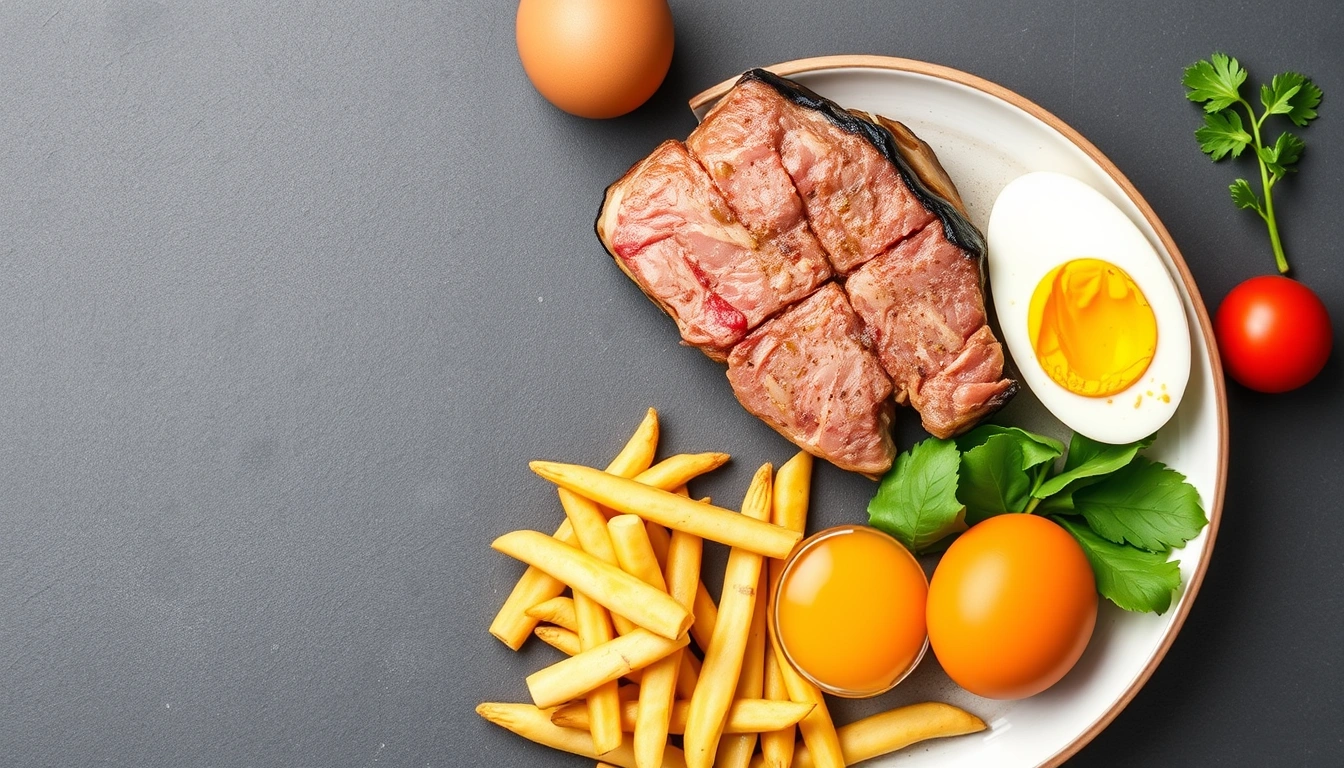
Meat usually wins for most low-histamine eaters because it gives the cleanest path to protein with the fewest surprise ingredients. When someone wants a dependable base meal, I’d choose plain poultry or fresh cuts of lamb, beef, or pork before almost anything else.
Why meat works:
– It can be cooked plain, with no fermentation, aging, or curing.
– It is easy to portion and freeze.
– It pairs well with simple starches and low-histamine vegetables.
The strongest choices are usually fresh, unseasoned, unprocessed cuts. Think chicken breast, turkey, lamb, beef, or pork that has not been cured, smoked, dried, or aged, though readers with complex symptoms should consult a clinician or dietitian and use an authoritative resource such as the Cleveland Clinic’s overview of histamine intolerance before making strict assumptions. Processing is where trouble starts. Ham, bacon, sausage, salami, pepperoni, jerky, and deli meats are poor fits for a low-histamine diet because they are commonly cured, smoked, fermented, or heavily seasoned, and readers who react easily should verify tolerance with professional guidance rather than relying on package claims. Even when a package looks “clean,” the method matters more than the label.
The weak spot is not that meat is “bad.” It is discipline. Cook a big batch and eat it over several days, and symptoms can catch up with you. That gap hits hard. For some readers, it makes meat frustrating rather than helpful. Restaurant meat brings the same issue, only louder, because it is often held warm, marinated, or seasoned in ways you cannot fully control.
Who should use meat:
– People who need the most reliable protein while stabilizing symptoms
– Anyone who can cook fresh meals or freeze portions immediately
– Readers who do well with simple, savory food
Who should skip or limit it:
– People who only eat leftovers for convenience
– Anyone reacting to beef, poultry, or pork specifically
– Readers who cannot tolerate high-fat meals, since fattier cuts can feel heavier and harder to digest
My practical recommendation is simple: buy meat fresh, cook it plainly, and freeze extra portions right away if you know you will not eat them the same day. For meal planning, that usually beats swapping in a highly processed alternative.
Fish: The Specific Situations Where It Wins
Fish can be an excellent low-histamine protein, but only in the right situation. I would not call it the safest option overall; I’d call it the most fragile when storage is uncertain or the supply chain is long.
Why so touchy? Histamine can form during storage. Some fish become a problem when they are old, poorly chilled, or served as leftovers. Canned fish, smoked fish, dried fish, and many restaurant preparations are usually poor choices for someone watching histamine. That does not mean all fish is off-limits. It means the fish category lives and dies by handling.
Fish wins if:
– You can buy it very fresh or frozen soon after catch, and trusted medical guidance such as the British Dietetic Association notes freshness as a key factor
– You can cook it the day you get it
– You tolerate seafood well in general
– You want a lighter protein than red meat
Fish loses if:
– You rely on leftovers
– You buy pre-marinated, smoked, canned, or cured seafood
– You eat sushi, sashimi, or restaurant fish with unknown storage history
– You are already sensitive to seafood or histamine-rich foods
The drawback is practical, not theoretical. Fish asks more of you than meat does. If your schedule makes same-day cooking hard, fish is a bad fit. And I’d be careful with fish sauce, anchovy paste, and seafood broths; they can be unexpected troublemakers.
If you want one rule from me: fish only deserves a place in a low-histamine plan when freshness is non-negotiable. If you cannot verify that, I would choose meat instead.
Eggs: The Honest Side of a Mixed Option
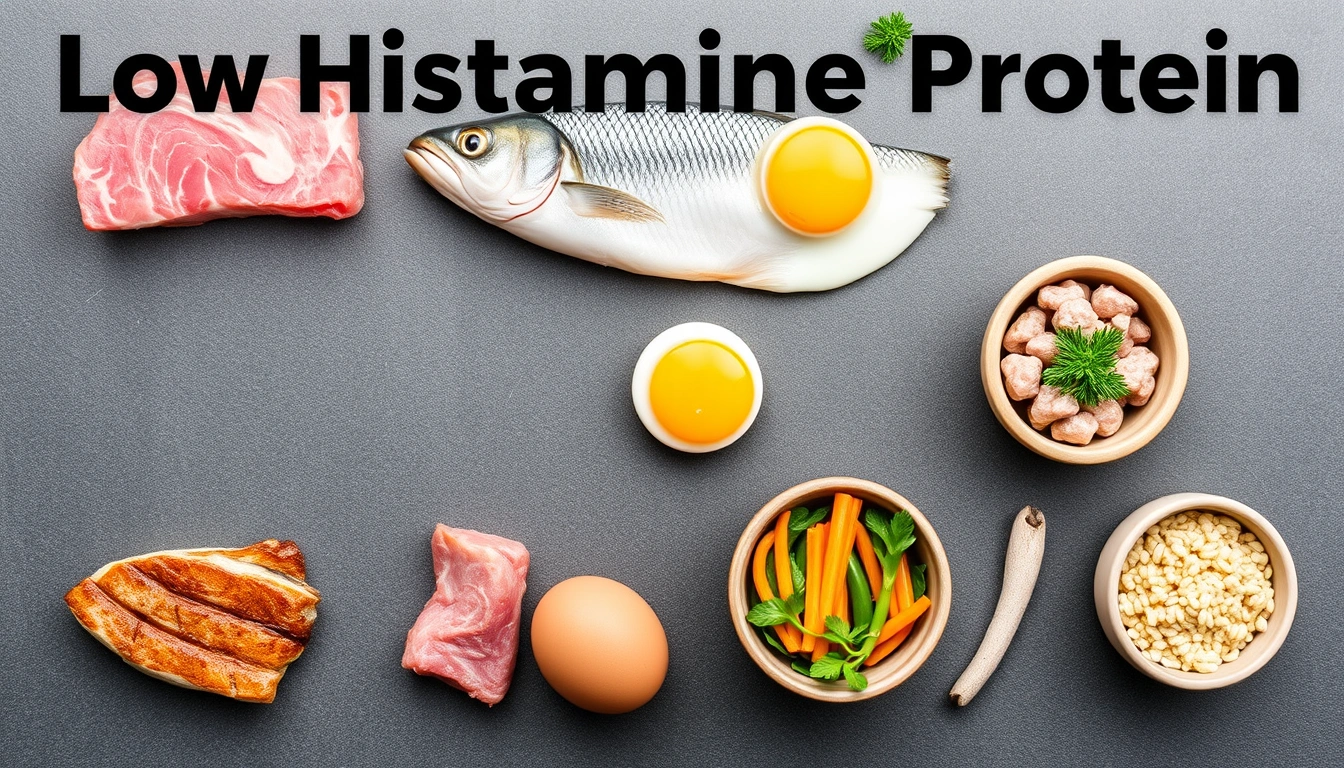
Eggs are the most misunderstood protein on low-histamine lists. For some people, eggs are easy, filling, and practical. For others, they are a clear trigger. I would never call them universally safe.
The good news is that eggs are simple, fast, and easy to prepare. They do not require curing, aging, or complex processing. For readers who tolerate them, eggs can be one of the most convenient proteins in the kitchen. A plain cooked egg is also easy to pair with rice, potatoes, or tolerated vegetables.
But the catch is tolerance. Some people react to egg whites, some to yolks, and some to both. Others do fine with fresh eggs but not with leftovers, egg casseroles, or bakery products where eggs sit with other ingredients. That is why a generic “eggs are low histamine” claim can be misleading. They may be low in histamine on paper and still not work for your body.
Eggs win if:
– You know you tolerate them
– You need a fast breakfast protein
– You want a food that cooks quickly without processing
Eggs lose if:
– You have a history of egg sensitivity or unclear rashes, flushing, or stomach upset after eggs
– You need a “safe by default” protein
– You are reacting to mixed dishes like quiche, frittata, or egg salad more than plain eggs
My recommendation is cautious: eggs are worth testing only after you have a stable baseline with fresher, simpler proteins. If you are flaring, I would not make eggs the first experiment. They are too variable for that.
Plant Options: The Specific Situations Where They Win
Plant proteins help readers who cannot tolerate many animal foods, want more variety, or need a backup protein that does not depend on a butcher counter or fish case. But plant-based does not automatically mean low histamine, and that distinction matters.
The most useful plant options are often the simpler, less processed ones: rice protein, hemp hearts, pumpkin seeds, sunflower seed butter, and some beans or lentils for people who tolerate them. Tofu and soy products are tricky because fermentation and processing can change the picture, and many readers with histamine issues also react to soy for unrelated reasons. Tempeh and miso are especially poor fits for a strict low-histamine approach because they are fermented.
Flexibility is the big upside. Plant proteins can make it easier to build meals when meat gets boring or fish feels risky. They also help people who eat mostly plant-based and want to stay closer to their usual pattern. The downside is that plant proteins often bring a second problem: they may be low histamine but still not low symptom. Fiber, FODMAP load, lectins, seed sensitivity, and additives can all muddy the water.
Plant options win if:
– You already know you tolerate specific seeds, grains, or legumes
– You need variety beyond meat
– You are looking for a shelf-stable protein base
Plant options lose if:
– You react to beans, soy, nuts, seeds, or high-fiber foods
– You depend on packaged protein powders with long ingredient lists
– You are trying to do an elimination phase and need the fewest variables possible
For readers comparing categories, meat is usually the most predictable, fish is the most freshness-dependent, and plant protein is the most individualized. I would use plant protein as support, not the first line, unless meat and fish both fail. That is the cleanest recommendation I can make.
The Honest Side-by-Side
| Criteria | Meats | Fish | Winner for [condition] |
|---|---|---|---|
| Ease of finding a dependable low-histamine choice | Strong if fresh and unprocessed | Very dependent on freshness | Meats for most beginners |
| Risk from storage and leftovers | Moderate | High | Meats if you need more margin |
| Speed of preparation | Moderate | Fast when fresh | Fish for same-day cooking |
| Convenience for batch cooking | Good if frozen promptly | Poor for leftovers | Meats |
| Likelihood of hidden processing | High in deli, cured, or smoked forms | High in canned, smoked, or marinated forms | Neither; both need label discipline |
| Best for sensitive, narrow elimination diets | Usually best | Too variable for many people | Meats |
| Best for lighter-tasting meals | Heavier, richer profile | Lighter profile | Fish |
| Best when you need a predictable fallback | Very dependable | Less dependable | Meats |
The table is blunt for a reason: meat is the safest default, fish is the most freshness-sensitive, and both can fail when processing gets in the way. Plant protein does not fit neatly into the same head-to-head because it is a separate category with its own triggers. If I am choosing one protein lane for the widest range of low-histamine readers, I start with meat, then test fish only if freshness is easy to control.
Our Verdict: Which One to Choose and Why
Choose meats if you need the most reliable starting point, you cook at home, and you want the lowest chance of a freshness problem. Choose fish if you can buy it very fresh or frozen, cook it immediately, and you prefer a lighter protein. Choose neither if your symptoms are still flaring and you have not yet ruled out eggs, plant proteins, seasonings, leftovers, and storage issues.
My clear recommendation is this: start with fresh, plain meats; add fish only if you can control freshness; test eggs only if you already tolerate them; use plant proteins as backups or variety, not as your first guarantee. That order gives the fewest surprises.
What I would not do is build a low-histamine plan around convenience foods and assume the protein choice alone will save you. A chicken salad with aged dressing, a fish dish held too long, or a bean bowl loaded with trigger ingredients can all fail the same way.
Cost, Price, and Alternatives / vs.
Meat is usually the most affordable low-histamine protein when you buy family packs, freeze portions, and cook at home. Fish is usually the most expensive option, especially if you need very fresh fillets or same-day use. Eggs are typically the lowest-cost protein per serving, while plant proteins range from inexpensive beans and rice to pricier protein powders and specialty products.
A simple price comparison helps:
– Meat: often lower cost than fish, especially on sale; for example, budget chicken cuts are usually cheaper per serving than fresh seafood.
– Fish: often the highest cost because freshness is part of the value.
– Eggs: usually the cheapest source of fast protein.
– Plant options: can be low cost if you use rice, beans, or seeds, but more expensive if you rely on branded powders.
If you are choosing between meats vs. fish, meat is the better everyday fallback and fish is the more fragile specialty choice. If you are choosing between eggs vs. meat, eggs are cheaper and faster, but meat is usually the more predictable low-histamine starting point. If you are choosing between plant protein vs. meat, plant protein may be better for variety or restriction-heavy diets, while meat is usually easier to keep simple and low risk.
When to Reconsider This Choice Entirely
The overall verdict flips in a few real situations.
First, if you react to almost all animal proteins but tolerate specific plant foods, then plant proteins move to the front. In that case, I would focus on the few plant sources your body accepts and stop forcing a meat-first model.
Second, if your main issue is not histamine but a broader intolerance pattern, eggs may still fail even when they are technically low histamine. That is a clue to widen the investigation rather than keep blaming histamine alone.
Third, if you cannot control food freshness because you depend on delivery, restaurant meals, or long refrigeration, fish becomes a poor choice no matter how “healthy” it seems. I would rather see someone eat fresh meat or a tolerated plant protein than gamble on seafood that has lost its margin of safety.
Fourth, if you are in the middle of a severe flare, I would strip the plan down to the fewest ingredients possible and keep portions small. That often means one protein, one starch, and one or two tolerated vegetables until things settle.