Last updated: August 10, 2026
- A low histamine grocery list for beginners is often the easiest way to make meals feel manageable again.
- So the grocery list has to do two jobs: lower histamine load and cut down accidental triggers.
- Low histamine eating and “grab whatever is easiest” do not mix well at first.
- Choose low histamine produce if you need easy add-ons, snacks, and volume with less prep.
A low histamine grocery list for beginners is often the easiest way to make meals feel manageable again. Start small: a practical cart usually holds 10 to 15 foods — plain rice, fresh meat or fish cooked soon after buying, eggs if you tolerate them, and a short list of low-histamine fruits and vegetables. Perfection is not the point. Guessing in the aisle is the enemy.
Quick Answer: A beginner low histamine grocery list can start with 10 to 15 foods and 3 repeatable meals. When I write about food restriction and symptom-driven eating, the real headache is not “What is histamine?” Instead, it is “What can I actually buy this week without making myself worse?” This article answers that question.
Key Facts
– A beginner cart works best when it stays short: about 10 to 15 foods.
– A repeatable plan is often 3 meals built from plain protein, starch, and tolerated produce.
– Freshness matters because histamine can increase in foods as they sit.
– Common problem foods include tomatoes, spinach, avocados, fermented foods, cured meats, vinegar-heavy dressings, and long-stored leftovers; tolerance varies, so check with a clinician or dietitian and use trusted guidance such as the Cleveland Clinic and NHS resources.
– If you react to many basic foods, get professional guidance rather than endlessly cutting more items.
The Real Difference Between a Helpful Grocery List and a Random Food List
A helpful low histamine grocery list wins because it is built for decision-making, not for theory. A random list looks polished and leaves you standing in front of the fridge with spoiled food, a sore stomach, and no plan for dinner. Honestly, I would rather hand a beginner a short, repeatable list than a long one padded with a few risky items just to sound complete.
Freshness, simplicity, and tolerance range are the real dividing lines. Histamine problems are slippery because the same food can be fine for one person and miserable for another, and leftovers often matter as much as the ingredient itself. So the grocery list has to do two jobs: lower histamine load and cut down accidental triggers. For beginners, that usually means plain proteins, simple starches, and produce that is less likely to cause trouble.
A generic article often misses the mark by treating all “healthy foods” as safe. Tomatoes, spinach, avocados, fermented foods, cured meats, vinegar-heavy dressings, and long-stored leftovers are common examples that may fit other diets but are poor starters here. Tolerance varies, so if symptoms are significant, check with a clinician or dietitian and consult sources like the Cleveland Clinic, NHS, or the American Academy of Allergy, Asthma & Immunology before changing your diet. I would not build a beginner cart around “superfoods.” Instead, I would build it around boring foods that are easy to digest and easy to repeat. Plain food. Less drama.
This list is also meant to help you shop without overbuying. Histamine can rise in foods as they sit, especially in leftovers and prepared foods. So a beginner grocery list should favor ingredients you can cook quickly, portion well, and eat soon.
What I Put in the Cart First
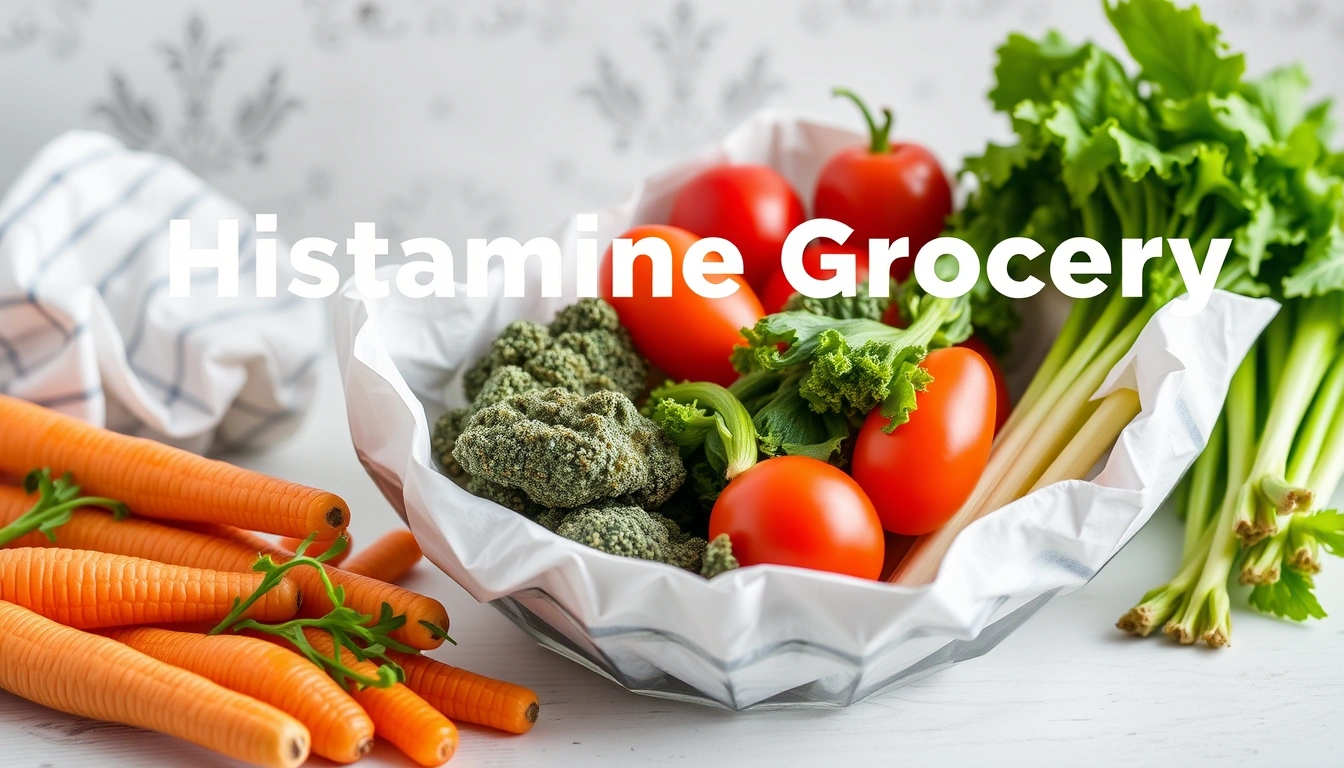
If you want the simplest possible start, I would make these the core of your cart:
- Fresh chicken or turkey
- Fresh beef or lamb, if you tolerate red meat
- Fresh fish that will be cooked the day you buy it
- Eggs, if you already know they agree with you
- White rice, basmati rice, or other plain rice
- Oats, if tolerated
- Potatoes and sweet potatoes
- Carrots
- Zucchini
- Cucumber
- Lettuce or mild greens you tolerate
- Pears
- Apples
- Blueberries, if tolerated
- Olive oil
- Salt
- Fresh herbs like parsley or basil
- Simple milk alternatives without lots of additives, if needed
That is the base. Not glamorous, but useful.
At first, I would keep the seasonings very plain. Salt and a little olive oil are enough for a lot of meals. If you already know you tolerate garlic, onion, or certain herbs, add them later one at a time. The mistake I see most often is buying three or four “safe” sauces and dressings that contain citrus, vinegar, yeast extracts, or spice blends. Those are common troublemakers.
A beginner also needs to think in meals, not ingredients. A cart that supports three repeatable meals is better than a cart with twenty isolated foods. For example: rice plus chicken plus zucchini; potatoes plus turkey plus carrots; oats plus pear. Repetition is not failure. Repetition is how you learn your body’s patterns.
One honest drawback: this approach can feel plain and limiting. It is. That is the trade-off for getting symptoms under control and spotting triggers clearly. If you need a very diverse, social, restaurant-friendly eating pattern, a strict starter cart is not the right tool.
Fresh Protein: Who Should Actually Use This and Who Shouldn’t
Fresh protein works best for beginners who need a reliable base meal and want the clearest possible signal from their food. That means chicken, turkey, fresh beef, lamb, and sometimes fresh fish, handled carefully and cooked soon after purchase. These foods help because they give you solid protein without automatically bringing in the usual histamine traps like curing, fermenting, smoking, or long storage.
Fresh protein belongs at the top of the list for someone who is symptomatic and trying to stabilize. It is easier to build a meal around plain protein than around snacks or packaged convenience foods. A plain chicken-and-rice plate may not be exciting, but it is controllable.
The weak spot is obvious: freshness matters a lot, and that creates work. If you buy protein and let it sit in the fridge for several days, your margin shrinks. If you buy pre-marinated, pre-cooked, or deli-style meat, you may be inviting ingredients you did not mean to eat. This is where beginners get burned. The label may say “simple,” but the ingredient list tells a different story.
Who should skip or be cautious? Anyone who cannot cook soon after shopping, anyone with a strong reaction history to certain animal proteins, and anyone who is trying to eat entirely on shelf-stable foods. Low histamine eating and “grab whatever is easiest” do not mix well at first. If your life is too unpredictable to cook promptly, you may need a more flexible strategy with your clinician or dietitian.
The best use case is a beginner who can shop often, cook once or twice a week, and keep meals plain. Fresh protein is the anchor that makes the rest of the grocery list work.
Low Histamine Produce: The Specific Situations Where It Wins
Low histamine produce is useful when you need volume, fiber, and some color on the plate without reaching for risky foods. I would focus on produce that is usually mild and easy to recognize: carrots, zucchini, cucumber, lettuce, pears, apples, and often blueberries. These are practical because they can fill out meals without a lot of processing.
The real strength here is flexibility. If protein and starch are the backbone, produce keeps the diet from feeling like a crash diet. Sliced cucumber can sit next to a rice bowl. Carrots can be roasted or steamed. Apples and pears work as simple snacks when you do not want to combine too many variables.
The weak point is personal tolerance. Some people do well with a food that others find irritating. Also, produce can become a trap if you start adding “healthy” extras that are commonly reported as problematic on low histamine plans. Tomatoes, spinach, avocados, and fermented pickles often get dumped into beginner lists by writers trying too hard to be comprehensive. I would not use them as starter foods, and if symptoms are significant it is worth checking with a clinician or dietitian and using sources like the Cleveland Clinic or NHS for a safer starting point.
Another issue is freshness and storage. Even safe produce can turn into trouble if it sits cut and forgotten. That is why I prefer shopping with a plan for the next few meals, not the next two weeks. Buy what you can use.
This is the right section of the cart for someone who gets bored easily, needs more fiber, or wants something simple to eat between meals. It is not ideal for someone who expects produce alone to carry the diet. It will not.
The Honest Side-by-Side
Here is the practical comparison I would want in front of me before shopping.
| Criteria | Fresh Protein | Low Histamine Produce | Winner for [condition] |
|---|---|---|---|
| Best for building meals | Strong base for lunch and dinner | Usually support, not the main anchor | Fresh Protein for main meals |
| Ease of identifying triggers | Very clear when kept plain | Moderate; tolerance varies more | Fresh Protein for elimination-style tracking |
| Storage risk | Higher if not cooked promptly | Lower when stored whole and uncut | Produce for slower use |
| Convenience | Requires cooking soon after buying | Often ready to wash, peel, or slice | Produce for low-prep snacks |
| Satiety | Usually more filling | Usually lighter | Fresh Protein for hunger control |
| Risk of hidden ingredients | High if packaged or marinated | Low when purchased whole | Produce for label simplicity |
| Budget pressure | Can rise quickly with frequent shopping | Often easier to keep moderate | Produce for stretching the cart |
| Best for symptom tracking | Excellent when kept plain | Good, but tolerance is less predictable | Fresh Protein for clean experiments |
| Best for beginners with a small kitchen | Works if you can cook and portion fast | Works well with minimal prep | Produce for tiny kitchens |
My read is simple: fresh protein is the stronger centerpiece, and low histamine produce is the easier support system. Beginners need both, but they do not play the same role. If you try to make produce do the job of protein, you will end up hungry. Should protein try to do everything, meals get dull and expensive.
The Other Staples Beginners Need: Starch, Fats, and Pantry Basics
This is where beginner lists often fall apart, because people obsess over safe produce and forget the foods that make meals feel complete. I would not skip starch. Plain rice, potatoes, sweet potatoes, and oats are what keep a low histamine plan from becoming a tiny, stressful diet. They are also the easiest foods to build repeatable meals around.
Starches help in two ways. First, they make meals filling. Second, they give you a neutral base for proteins and vegetables so you are not constantly relying on sauces. That matters because condiments are common sources of vinegar, citrus, spice blends, and preservatives.
Fats should stay simple too. Olive oil is the easiest place to start for many people. If you tolerate other straightforward oils, that can expand later, but beginners do not need a crowded pantry. They need a short list they can trust.
The pantry mistake I see most is buying “healthy” packaged snacks with long ingredient lists. If the label has several gums, extracts, acids, or flavor systems, I would be cautious. You do not need a pantry full of substitutes. You need a few building blocks you can combine without stress.
The limitation here is obvious: this is not a gourmet plan. It works best for someone who values predictability more than variety. If that feels too restrictive, the answer is usually not to abandon the list. Instead, test foods one at a time after the basics are stable, and do that with professional guidance if your symptoms are significant.
Our Verdict: Which One to Choose and Why
Choose fresh protein if you need the clearest, most filling foundation for low histamine meals and you can cook soon after shopping. Choose low histamine produce if you need easy add-ons, snacks, and volume with less prep. Neither if you are trying to do this from a pantry full of leftovers, deli meats, sauces, and packaged convenience foods.
My verdict is that beginners should start with fresh protein plus a short produce list, then build around rice or potatoes. That combination is the most practical because it gives you structure, satiety, and fewer hidden variables. It also makes symptom tracking more honest. When your food is simple, your reactions are easier to read.
I would not start with a huge “safe foods” spreadsheet. I would start with a small cart and a repeatable meal plan.
When to Reconsider This Choice Entirely
There are a few exception scenarios where I would change the whole approach.
First, if you cannot cook promptly and often, a strict low histamine grocery list may be too fragile. In that case, you may need help designing a plan around your schedule instead of around ideal food handling.
Second, if you react to many of the basic foods on this list, stop treating the grocery list as the problem. That pattern can point to overlapping issues, and it is worth discussing with a clinician or dietitian rather than endlessly removing more foods.
Third, if your symptoms are severe, rapidly changing, or tied to weight loss, swallowing problems, anemia, or other health concerns, do not use an internet list as your only guide. Get medical advice.
Fourth, if you are stuck eating mostly leftovers, restaurant food, or packaged convenience meals, the answer is not more willpower. It is a different strategy. Low histamine eating depends on food handling as much as food choice.
A Beginner Grocery List I Would Actually Use
If I had to keep it short, I would shop from this list first:
- Chicken or turkey
- Fresh fish only if I can cook it right away
- Eggs if tolerated
- Rice
- Potatoes
- Sweet potatoes
- Oats if tolerated
- Carrots
- Zucchini
- Cucumber
- Lettuce
- Apples
- Pears
- Blueberries if tolerated
- Olive oil
- Salt
- Parsley or basil
That is enough to build several plain meals without overcomplicating the cart. If you need to buy packaged foods, read labels carefully and keep them simple. When the ingredient list gets long, the low histamine grocery list for beginners usually gets harder to trust.
For next steps, you can use this cart as a starting point for meal planning, compare it with a low histamine meal plan, or review a low histamine foods list before your next grocery run.