Last updated: August 10, 2026
- USDA guidance says to refrigerate cooked food within 2 hours , and that number matters here.
- Refrigerate them within 2 hours and date the container so you know which meal is oldest.
- – Food safety guidance from the USDA is to refrigerate cooked leftovers within 2 hours and use shallow containers for faster cooling.
- Talk with a clinician or dietitian before tightening your diet.
Quick Answer: For most readers, the easiest low histamine lunch strategy is a 1- to 2-hour prep window built around fresh, simple ingredients; when leftovers already sit well with your body, a same-day or next-day lunch can work too. Severe or unclear symptoms? Talk with a clinician or dietitian before tightening your diet.
Key Facts / Takeaways
– Fresh assembly gives the most control over ingredients and storage time.
– Leftovers save time, but they add more storage variables.
– A simple lunch usually works best when it has 1 protein + 1 starch + 1 vegetable.
– Keep sauces minimal; one plain dressing is easier to track than several extras.
– For anyone newly reactive, start with the shortest storage window you can manage.
– Food safety guidance from the USDA is to refrigerate cooked leftovers within 2 hours and use shallow containers for faster cooling.
Lunch can turn into a small daily headache fast. So keep it plain: fresh ingredients, minimal sauce, and no long fridge stay. I write about food and practical meal planning, and low histamine lunch is one of those areas where “simple” really earns its keep.
Most readers are not asking, “What is a low histamine lunch?” They want a tighter answer: what can I pack or prep ahead that still has a decent chance of staying calm for my body? My answer is to begin with lunches you can build from a few safe foods, then decide how far ahead you can handle making them. Some people do best with same-day prep. Others can manage one night in the fridge. The right lunch depends on your trigger pattern, your storage habits, and how reactive you are to leftovers. No magic formula. Just a workable one.
The Real Difference Between Fresh-Assembled Lunches and Leftover-Based Lunches
Fresh-assembled lunches usually give you the most control. For readers who are still figuring out trigger foods or for people whose leftovers tend to bother them, start there. Why? Because the less time food sits after cooking, the less chance you have of histamine building up in the meal. That is not a promise. Still, it is the clearest practical rule to follow.
Leftover-based lunches are easier on your schedule, but they carry more risk. A chicken salad made this morning is not the same as chicken salad that has been sitting since two days ago. Same story with rice bowls, pasta salads, and soups. For some people, that fridge time is fine; for others, it is the difference between a lunch they trust and one that leaves them feeling off for the rest of the afternoon. According to the USDA, cooked leftovers should be refrigerated within 2 hours, which is one reason next-day lunch tends to be a more cautious cutoff than “whenever it’s convenient.” That convenience phrase sounds nice until the food starts acting weird.
Here is the trade-off, plain and simple: fresh-assembled meals demand a little more morning effort or a night-before prep session. Leftover-based meals save time, but they force you to think harder about storage, cooling, and what ingredients age badly. In low histamine cooking, that matters because the “best” lunch is often the one you can eat without second-guessing. Honestly, that peace of mind is worth a lot.
So my recommendation is straightforward: for anyone newly dealing with histamine issues, begin with fresh assembly and only move to leftovers after you know your pattern. If you already know you handle leftovers well, use them strategically and save time.
Fresh-Assembled Lunches: Who Should Actually Use This (and Who Shouldn’t)
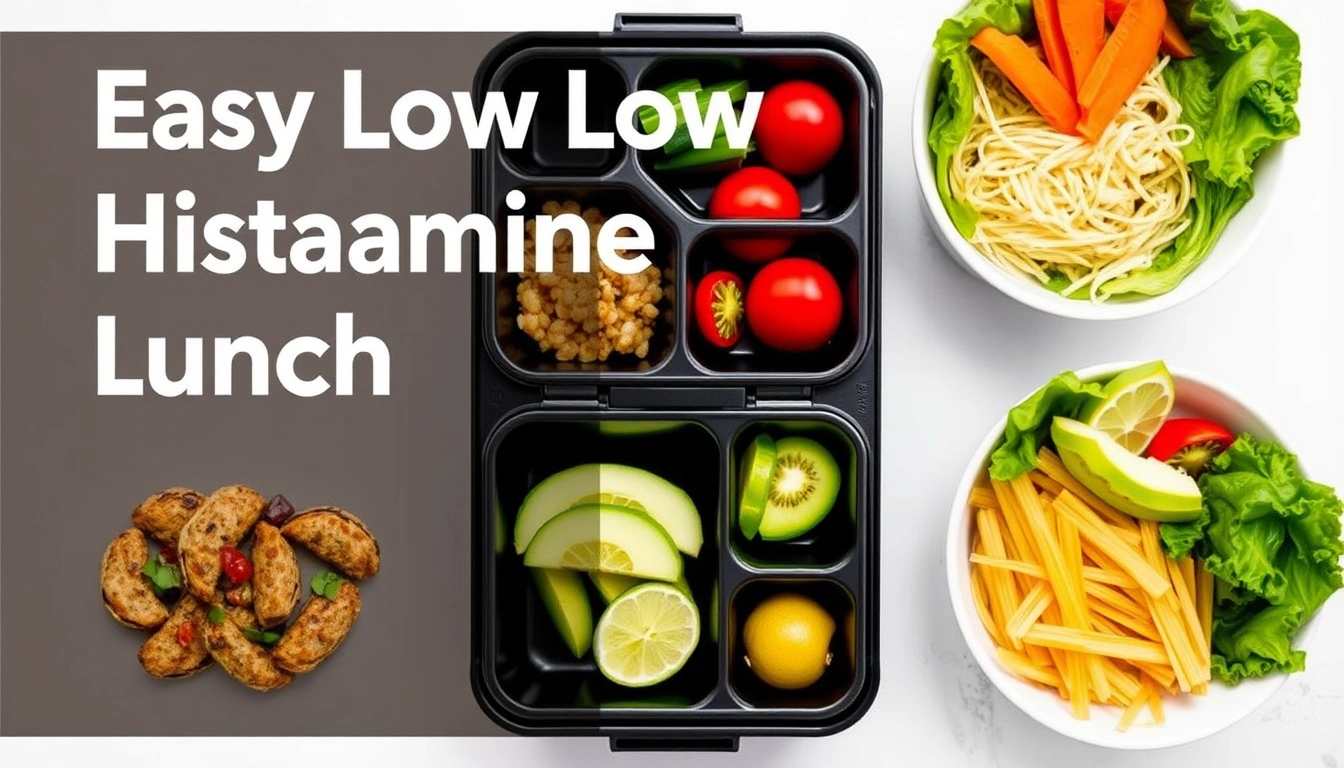
Fresh-assembled lunches are the safer choice for the most reactive readers, and I would put them at the top of the list for anyone who has had trouble with meal prep in the past. Build them from ingredients that stay plain: rice or quinoa cooked and cooled quickly, chopped cucumber, carrots, lettuce, plain chicken or turkey cooked recently, olive oil, and salt. Pack the parts in separate compartments. Better textures. Less soggy mess.
The upside is control. You decide exactly what goes in, how long it sits, and whether a sauce is worth the risk. For anyone who finds “mystery meals” or mixed dishes tend to set them off, this style removes a lot of guesswork. It can also help when lunch has to sit for a few hours before you eat it, because the ingredients can stay separate until the last minute.
The downside? It takes more hands-on time. You do not get the comfort of pulling a sealed container out of the fridge and calling it done. You also need a few ingredients that hold up well without browning, wilting, or turning watery. Fresh fruit can be tricky. Tomatoes, avocado, fermented condiments, and vinegar-heavy dressings are common problems, so they usually do not belong in a cautious low histamine lunch. That combo can go sideways in a blink.
Who should skip this? People who need one lunch prep session to cover several days and do not have the time to cook proteins frequently. For a schedule that is packed and a routine that defaults to leftovers, this approach may feel unrealistic. It is not bad. It is just labor-intensive.
My practical take: fresh assembly is a good entry point for low histamine lunches because it is honest about what the body can and cannot tolerate. It is the least glamorous answer, and it is the one I would trust first if you want a conservative starting point.
Leftover-Based Lunches: The Specific Situations Where It Wins
Leftover-based lunches win when time is the bigger problem than variety. If you can cook once, chill food quickly, and eat it soon after, this approach can make low histamine eating much more manageable. The best candidates are simple protein-and-starch meals that do not need much seasoning: plain chicken with rice, turkey with roasted zucchini, or a mild grain bowl built from ingredients you already know you tolerate.
The strength here is efficiency. You make dinner with lunch in mind, portion it right away, and avoid a second round of chopping in the morning. That is useful for office lunches, school lunches, or days when you know you will not have the energy to assemble anything from scratch. It also helps with consistency, because you can repeat a meal that has already worked.
The weakness is the storage window. Leftover-based lunches are only worth considering if you are disciplined about cooling, covering, and eating them before they sit too long. USDA guidance says to refrigerate cooked food within 2 hours, and that number matters here. I would not use this method for foods that already feel borderline for you. I would not use it for mixed leftovers that spent a long time on the stove or in the fridge door. And I would not rely on it when symptoms are delayed and hard to trace, because then the meal is tough to audit.
This is the right choice for someone who has a short list of known safe foods and wants a repeatable routine. It is not the right choice for someone in the middle of a flare who is reacting to lots of foods at once. In that case, convenience can backfire.
One more honest drawback: leftover lunches can get dull quickly. When food starts feeling like homework, people tend to reach for risky sauces and seasonings. That is where the plan breaks.
The Honest Side-by-Side
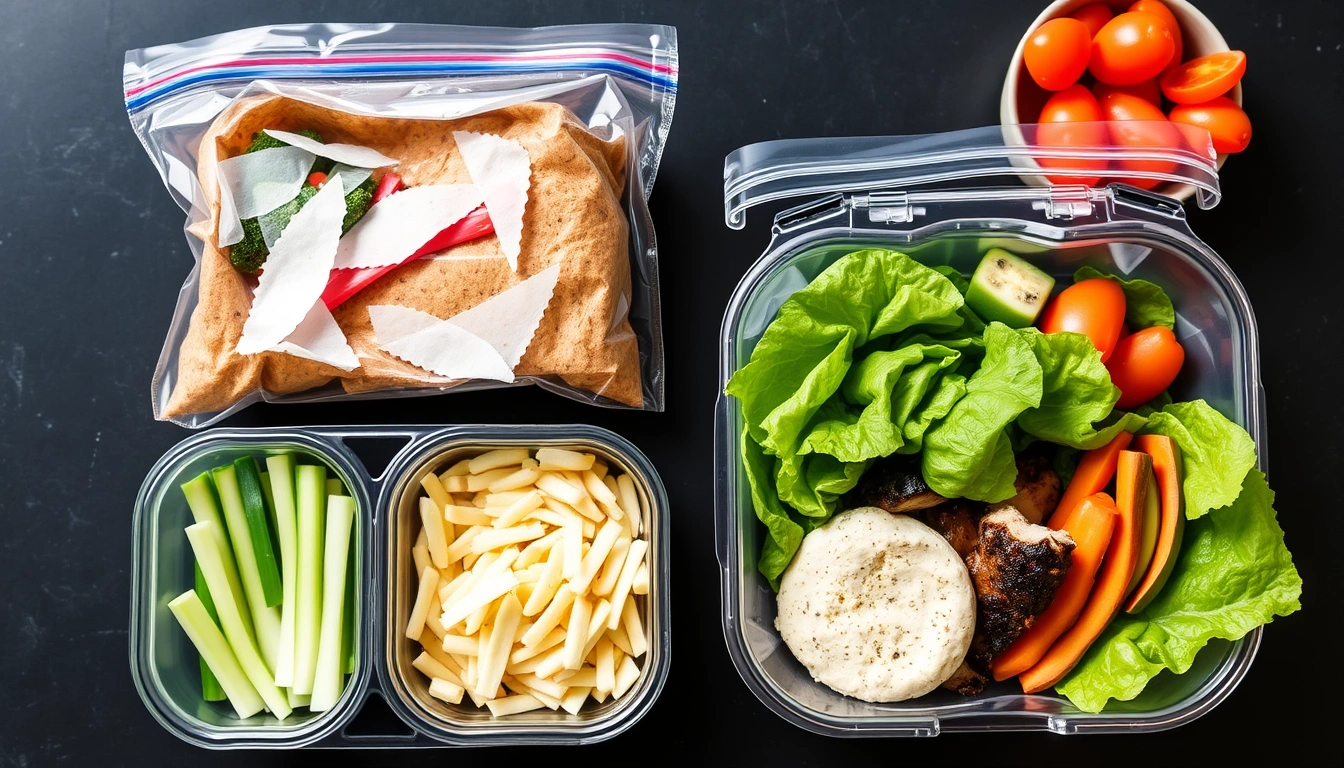
Here is the comparison that actually changes the decision.
| Criteria | Fresh-Assembled Lunches | Leftover-Based Lunches | Winner for [condition] |
|---|---|---|---|
| Control over ingredients | Highest; you can keep the meal plain and separate | Good, but you are working with whatever was cooked earlier | Fresh-assembled for people still learning triggers |
| Risk from storage time | Lower, because the meal is made close to eating time | Higher, because the food sits before lunch | Fresh-assembled for highly reactive eaters |
| Morning effort | Moderate to high | Low if lunch was portioned from dinner | Leftover-based for busy mornings |
| Texture at lunch | Usually better; fewer soggy ingredients if packed separately | Can soften or dry out depending on the meal | Fresh-assembled for texture-sensitive lunches |
| Batch-prep convenience | Fair, but less efficient for multiple days | Strong; dinner can become lunch | Leftover-based for routine-driven meal prep |
| Best for flare periods | Usually yes, because you can be more selective | Usually no, unless you already know leftovers suit you | Fresh-assembled during flares |
| Risk of boredom | Medium; variety depends on what you keep on hand | Higher if you repeat the same dinner twice | Fresh-assembled for people who need variety |
| Best for office or school packing | Very good if packed in compartments | Good if reheating is available and the food holds up | Fresh-assembled for no-reheat lunches |
| Effort to scale to 3-4 days | Lower practicality | Better, as long as your tolerance allows it | Leftover-based for stable eaters |
My read is simple: the more reactive you are, the more fresh-assembled lunches matter. The more stable and predictable your food tolerance is, the more leftover lunches can save your week. Different tools. Different jobs.
Easy Low Histamine Lunch Ideas You Can Pack Today
If you want the shortest path to lunch, start with a few low-drama combinations and stop overcomplicating them.
-
Chicken, rice, and cucumber box
Plain cooked chicken, white rice, sliced cucumber, olive oil, and salt. Keep everything separate if possible. This is not exciting. It is dependable. -
Turkey lettuce wraps with grated carrot
Use freshly cooked turkey, lettuce leaves, carrot, and a simple oil-and-salt dressing. If wraps are too fragile, pack the filling and leaf separately. -
Quinoa bowl with zucchini and olive oil
Quinoa works best when it is cooked plainly and cooled fast. Add soft-cooked zucchini and a protein you already know suits you. -
Egg-free grain bowl with chicken and greens
For people who do not want eggs, this gives structure without many moving parts. Use a grain, a leafy green that you tolerate, and a mild protein. -
Simple pasta salad, if pasta works for you
Choose a plain pasta, a tolerated vegetable, and a little oil. Skip vinegar, cured meats, and aged cheese if those are problems for you. For anyone unsure whether those foods fit your pattern, check with a qualified clinician or dietitian and use a source such as the Cleveland Clinic or your own care team rather than guessing. -
Thermos lunch: rice and turkey or chicken
This helps when you want something warm without relying on a microwave. It works best when the food is plain and the container is preheated properly.
The best lunch ideas are usually the ones with the fewest moving parts. A three-item lunch is easier to audit than a seven-ingredient one, and that matters when you are trying to track symptoms.
My caution here: “easy” does not mean “safe for everyone.” Low histamine eating is personal, and the ingredients that stay calm for one reader may be a problem for another. Treat these ideas as templates, not a fixed menu, and confirm any elimination plan with a professional if your symptoms are significant or your diet is getting very narrow.
How to Pack a Low Histamine Lunch
Keep the process steady. Cook fresh, cool quickly, then pack in separate sections or containers. Using leftovers? Refrigerate them within 2 hours and date the container so you know which meal is oldest.
Choose one protein, one starch, and one vegetable. That structure keeps the lunch predictable and makes it easier to spot which ingredient causes trouble. For many people, a 1-cup starch portion and a palm-sized protein portion is enough for a packed lunch, though your needs may differ.
Keep sauces on the side. A plain oil-and-salt dressing is easier to tolerate than a complicated marinade, and it is easier to trace if symptoms show up later. If a food starts to feel questionable, remove it for a week rather than trying to “push through” it.
Alternatives and vs. the Low Histamine Lunch Approach
Low histamine lunch prep is not the only safe midday option. Some readers do better with a hot breakfast, a larger dinner, and a very simple lunch such as plain rice, broth, or one protein plus a starch. Others prefer a repeatable snack-style lunch with smaller portions spread across the day.
By contrast, a standard meal-prep model often relies on sauces, leftovers, and multi-day fridge storage, which can be less predictable if histamine is an issue. That does not make traditional meal prep wrong; it just makes it a different tool. For mild symptoms and stable tolerance, normal meal prep may be easier and cheaper — well, usually cheaper. If your symptoms are volatile, a stripped-down low histamine approach is usually easier to track.
Our Verdict: Which One to Choose and Why
Choose fresh-assembled lunches if you are still sorting out your triggers, you react to leftovers, or you want the safer starting point. Choose leftover-based lunches if your tolerance is steadier, your schedule is tight, and you already know which cooked foods still sit well with you. Neither works well if you are in a flare and trying to force complicated meal prep through it; in that case, simplify further and talk with a clinician or dietitian if symptoms are severe or confusing.
My verdict is clear: fresh-assembled can be the better default low histamine lunch strategy because it gives you more control and fewer storage variables. Leftovers are a convenience tool, not the foundation.
That does not mean leftovers are bad. It means they are best used by people who have enough margin in their diet to absorb the risk. For readers still guessing, guessing with less time in the fridge is the better gamble.
When to Reconsider This Choice Entirely
There are a few situations where the whole lunch plan needs to change.
So if nearly every lunch causes symptoms, the issue may not be “packable lunches” at all. It may be your ingredient list, your portion sizes, or a broader sensitivity pattern that needs professional guidance.
Second, if your schedule forces food to sit around for long stretches, low histamine meal prep may need a different format. A lunch that waits too long in a warm bag or a fridge that is overpacked is asking for trouble. In that case, shorter prep windows matter more than recipe ideas.
Third, if you keep trying to make “normal” lunch foods low histamine by stripping them down, you may just be making a mediocre meal that still irritates you. I would rather eat a plain rice bowl that feels too simple than a fancy salad full of questionable extras.
Fourth, if your reaction pattern is severe, involve a qualified clinician. Low histamine eating can become restrictive fast, and the line between careful and too narrow is easy to cross.
My rule is blunt: when lunch becomes a daily source of fear, simplify the system before you chase more recipes. The goal is a meal you can pack, eat, and stop thinking about.