Last updated: August 10, 2026
- – 24 hours or less is a practical target for keeping leftovers if you are sensitive.
- – $5–$15 per meal is a realistic home-cooking range for many basic recipes, depending on protein prices and location.
- – 2 common triggers in low-histamine cooking are storage time and fermentation.
- Low-histamine eating can help some people with symptoms tied to histamine intolerance, but reactions vary a lot.
Quick Answer: 3 low-histamine recipes for everyday meals — complete guide basics matter most: cook simply, use very fresh ingredients, keep leftovers short-lived, and build your meals around foods that are usually easier to tolerate, not around internet “rules” that turn dinner into a scavenger hunt. I write about food and ingredient tolerances for readers who need practical, not perfect, answers, and that matters here because low-histamine eating is less about a magic menu and more about avoiding the common traps. For a broader overview, see Low-Histamine Diet Basics, Histamine Intolerance Signs, and Simple Meal Prep Tips.
Key Facts
– 3 meal types do most of the work here: breakfast, lunch, and dinner.
– 24 hours or less is a practical target for keeping leftovers if you are sensitive.
– 1 fresh-cooked protein + 1 starch + 1 mild vegetable is the simplest repeatable template.
– 2 common triggers in low-histamine cooking are storage time and fermentation.
– $5–$15 per meal is a realistic home-cooking range for many basic recipes, depending on protein prices and location.
The question that actually matters is not “What can I never eat again?” Better to ask: How do I make everyday meals that are low-histamine, filling, and realistic enough to repeat? That is the problem I’m solving.
Low-histamine eating can help some people with symptoms tied to histamine intolerance, but reactions vary a lot. Work with a qualified clinician or dietitian if you suspect a medical issue — especially with weight loss, ongoing digestive symptoms, or several food restrictions. Cleveland Clinic notes that histamine intolerance is not the same as an allergy and can overlap with other conditions, so professional guidance can help sort that out.
The Real Difference Between “Low Histamine” and “Fresh, Simple Cooking”
Treat low-histamine eating like a food-handling system, not just a banned-food list. The distinction carries more weight than people assume. Two meals with the same ingredients can land very differently depending on how long the food sat in the fridge, how ripe the produce was, or whether you relied on leftovers from three days ago. Honestly, I’d take the “fresh, simple cooking” approach over a rigid rulebook; it fits real life better and is less likely to go sideways. If you are unsure where to begin, a clinician or dietitian can help you tailor the approach to your symptoms and nutrition needs.
A generic article usually gets this wrong by listing foods without explaining the real trigger points. It might tell you to avoid tomatoes, vinegar, aged cheese, cured meats, alcohol, and fermented foods, then stop there. But the part that trips people up is bigger: histamine can rise in foods as they age or sit, so meal timing and storage matter. In practice, a plain chicken-and-rice bowl can still be a bad experience if the chicken has been cooked, cooled, and reheated over several days. For a food-safety reference on storage and leftovers, the USDA recommends prompt refrigeration and safe holding times.
The low-histamine style also asks you to pay attention to “sometimes foods.” Some people do fine with small amounts of foods that are often flagged as problematic; others react to very little. So the smarter move is to start with a short, conservative list and then reintroduce foods one at a time, if your clinician agrees. No one wins by stripping out 40 ingredients and then living on fear and guesswork.
What belongs on the “safer starting point” side for many people: freshly cooked chicken or turkey, eggs if tolerated, rice, oats, quinoa, potatoes, many non-citrus fruits, and vegetables that are typically mild and fresh. What often causes trouble: leftovers kept too long, fish that is not very fresh, fermented sauces, wine, canned or aged foods, and heavily spiced restaurant dishes. That does not make these foods universally “bad.” It makes them common troublemakers. A little blunt, sure. Still true.
If you want recipes that work in real life, focus on meals that are:
– cooked fast,
– seasoned lightly,
– eaten soon after cooking,
– and easy to repeat without boredom.
That is the backbone of the rest of this guide. According to the Cleveland Clinic, symptom triggers can vary, which is why a narrow, practical starting point is more useful than an absolute food ban.
Low-Histamine Breakfasts: Who Should Actually Use This Approach (and Who Shouldn’t)
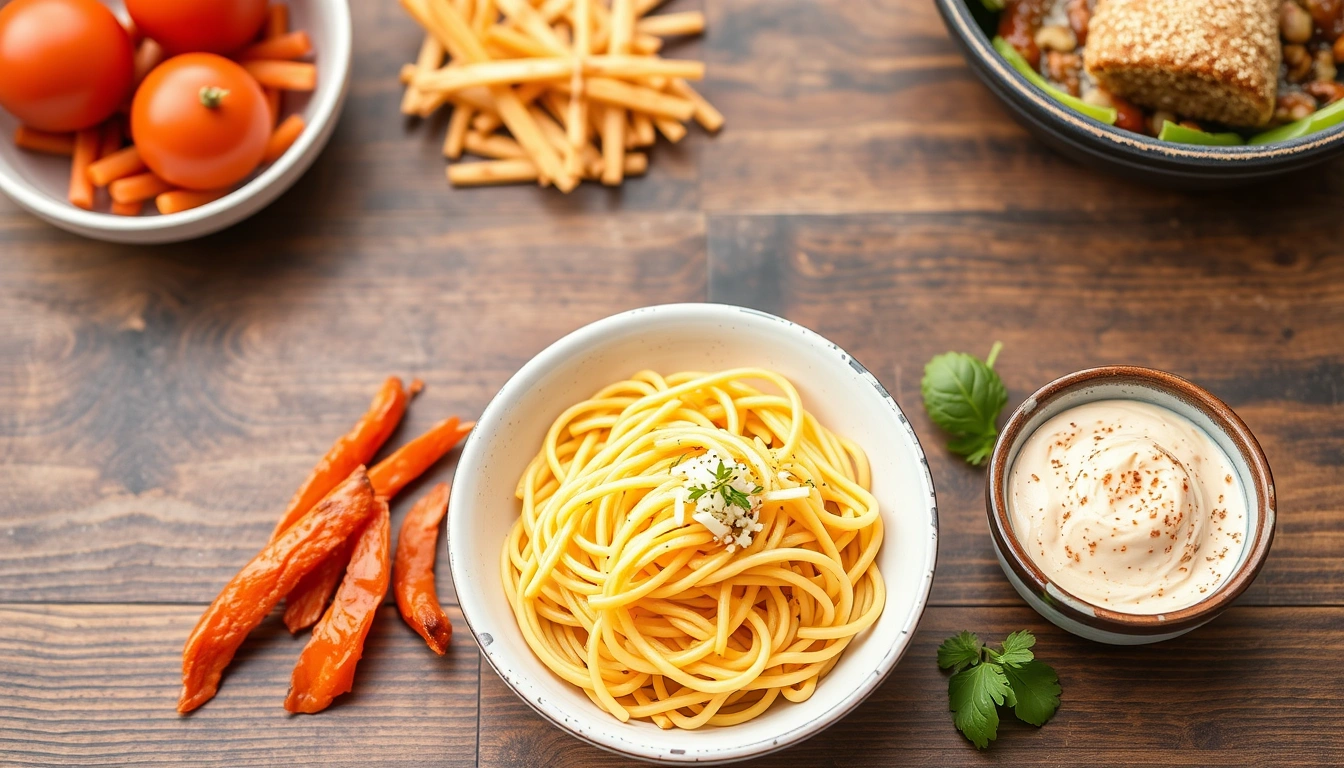
Low-histamine breakfasts work best for people who want a calm, repeatable start to the day and who tend to react to high-acid, fermented, or heavily processed morning foods. This is the section I’d point to if you wake up already uneasy and need breakfast to be boring in the best way. The strength here is predictability. A simple breakfast gives you a lower chance of getting blindsided before noon.
Usually, the most reliable breakfast is not a smoothie packed with “superfoods.” It is something plain: oatmeal made with tolerated milk or water, a bowl of rice porridge with a little salt, eggs with sautéed zucchini, or a simple fruit-and-grain bowl using fruit that your body handles well. If you tolerate dairy, fresh plain yogurt is a common suggestion online, but I’d be cautious with it because fermented foods are often a problem for histamine-sensitive people. Not my default pick. If symptoms are significant, consult a qualified clinician or dietitian before making yogurt, eggs, or grains your default choices.
What this style does well:
– It avoids the most common breakfast troublemakers: fermented foods, vinegar-based condiments, cured meats, and acidic add-ins.
– It can be made quickly on busy mornings.
– It gives you a neutral baseline for figuring out what your body tolerates.
The weaknesses are real. A plain breakfast can feel repetitive fast. It also asks you to do some prep the night before if you want enough variety to stay with it. And if your symptoms are driven more by overall gut irritation than histamine alone, even “safe” foods can still bother you. That soup can curdle your morning, metaphorically speaking. Even so, this is not a cure-all, and a clinician can help you decide whether histamine is truly the main issue.
Everyday breakfast recipes I would actually build from
1) Warm apple-cinnamon oats
– Cook rolled oats in water or tolerated milk.
– Stir in peeled chopped apple near the end so it softens without turning mushy.
– Add cinnamon if you know you tolerate it.
– Finish with a little maple syrup or a pinch of salt.
Why this works: simple ingredients, no fermentation, no citrus. Filling, but not heavy.
2) Soft scrambled eggs with zucchini
– Lightly cook grated zucchini in a pan.
– Add beaten eggs.
– Cook gently and eat right away.
Why this works: fast cooking, mild flavor, no need for sauces.
3) Rice breakfast bowl
– Warm cooked rice with water or tolerated milk until soft.
– Add diced pear or apple if tolerated.
– Sprinkle with salt or a small amount of honey.
Why this works: rice is one of the most practical base foods when you need breakfast to stay plain.
Who should skip this breakfast style? People who cannot tolerate eggs, oats, or grains, or who need a more calorie-dense morning meal because they have a long gap until lunch. In that case, low-histamine breakfast still helps, but the recipe needs more fat or more starch to last.
Low-Histamine Lunches: The Specific Situations Where They Win
Low-histamine lunch recipes win for people who need a workday meal that can be packed without turning risky by 1 p.m. The edge here is control. Lunch is where many people get trapped by vending machines, deli counters, or “healthy” salads built on vinegar, pickled toppings, and pre-cooked proteins that have sat around too long. A low-histamine lunch avoids that mess.
I’d choose lunch recipes that are either cooked fresh at midday or assembled from ingredients prepared very recently. Think rice bowls, grain salads without acidic dressings, turkey patties, roasted vegetables, and simple soups eaten soon after cooking. The point is not to make lunch fancy. It is to make it dependable. Plain, yes. But dependable.
A generic article often fails here by pretending any meal prep is fine. It isn’t. For histamine-sensitive eaters, large-batch meal prep can backfire if you rely on days-old leftovers. That does not mean you can never plan ahead. It means you need a different workflow: cook smaller amounts, chill quickly if you must store food, and freeze portions sooner rather than later.
Lunch recipes that fit ordinary life
1) Turkey rice bowl
– Cook ground turkey with salt and a little olive oil.
– Serve over freshly cooked rice.
– Add steamed carrots and zucchini.
This is one of the most practical lunches because it is plain, filling, and easy to adjust. If you need more flavor, add chopped parsley or a tolerated herb.
2) Chicken and potato soup
– Simmer fresh chicken pieces with potatoes, carrots, and celery if tolerated.
– Season lightly with salt.
– Eat soon after cooking.
This wins because soup is comforting and hydrating, but I would not store it for long if you are very sensitive. Soup is only “safe” if your timing is. USDA guidance on leftovers supports cooling and storing food promptly, and that lines up with a low-histamine approach.
3) Quinoa bowl with cucumber and herbs
– Cook quinoa freshly.
– Top with chopped cucumber, steamed green beans, and cooked chicken.
– Add olive oil and salt.
This works well for a cooler lunch, though it can feel dry without enough oil or moisture.
Honest drawbacks
These lunches are not exciting. If you love bold sauces, fermented flavors, or a lot of tang, you will miss them. They also can be awkward to eat in restaurants because kitchens rely on marinades, dressings, and shared prep tools. That is not a flaw in the recipes; it is the reality of the diet.
I’d call these lunch recipes the best fit for:
– office workers who can bring food from home,
– parents who need one meal they can make without debate,
– and people who react to restaurant food more than home cooking.
I’d skip this lunch style if your schedule makes fresh cooking impossible and you cannot tolerate freezing. In that case, your first problem is logistics, not recipe choice.
Low-Histamine Dinners: The Honest Side-by-Side

Dinner is where low-histamine cooking either becomes a habit or falls apart. The winner here is the meal format that gives you enough satisfaction to repeat it without pushing you toward leftovers, takeout, or overly processed shortcuts. My view is simple: one-pan dinners win for most people because they are easy to cook fresh and easy to keep plain.
Below is the clearest comparison of the two most useful everyday approaches: one-pan meals versus batch-cooked casseroles and big-pot leftovers.
| Criteria | One-Pan Meals | Batch-Cooked Casseroles / Big-Pot Leftovers | Winner for [condition] |
|---|---|---|---|
| Histamine control | Better, because you usually cook and eat immediately | Weaker, because stored leftovers can become a problem | One-pan meals for people who react to leftovers |
| Weeknight speed | Fast and straightforward | Slower up front, easier later if tolerated | One-pan meals for busy evenings |
| Flavor flexibility | Limited, but easy to keep safe | More room for layered flavor, but higher risk | Casseroles for people who tolerate storage well |
| Meal prep practicality | Moderate; best for small-batch cooking | High on paper, risky in practice for sensitive eaters | One-pan meals for strict low-histamine needs |
| Cleanup | Low | Usually higher | One-pan meals |
| Leftover safety margin | Shorter because the meal is designed for same-day eating | Depends on how quickly you chill, freeze, and reheat | One-pan meals for high sensitivity |
| Family acceptance | Good if the household likes simple food | Often better for crowd-feeding | Casseroles for families who need volume |
| Risk of hidden triggers | Lower, because ingredient lists stay short | Higher, because sauces and binders creep in | One-pan meals |
One-pan dinner recipes I’d recommend first
1) Chicken with carrots and zucchini
– Sear chicken in olive oil.
– Add sliced carrots first, then zucchini.
– Cover and cook until done.
This is not glamorous, but it is dependable. The short ingredient list is the real selling point.
2) Turkey skillet with rice
– Cook ground turkey with salt and chopped herbs.
– Fold in freshly cooked rice and steamed vegetables.
This gives you more staying power than a light vegetable plate.
Honest drawbacks
One-pan meals can get boring if you are cooking them every night. They also assume you have the time to cook most evenings, which not everyone does. If your week is chaotic, the low-histamine dinner plan can break down because the diet is unforgiving about convenience foods.
Casseroles and big-batch meals win only when your tolerance is broad enough to handle storage and reheating, and when you are disciplined about freezing portions quickly. If that is not your pattern, they stop being practical and start being risky.
The Specific Situations Where Breakfast-Lunch-Dinner Planning Wins
This section is for the reader who needs a full-day strategy, not just a few recipes. The bigger win in low-histamine eating is not any single meal. It is reducing decision fatigue. Once you know your breakfast, lunch, and dinner patterns, you stop improvising in the grocery aisle and at 7 p.m. That is where mistakes happen.
I would build the day around a simple formula:
– Breakfast: grain or eggs plus fruit or a mild vegetable
– Lunch: protein plus rice or potatoes plus cooked vegetables
– Dinner: another fresh-cooked protein-based meal, or a simple repeat of lunch if you tolerate it
That structure works because it keeps you away from acid-heavy sauces, fermented foods, and long storage times. It also keeps shopping simpler. You do not need an entire specialty pantry. You need a few stable building blocks that you can rotate.
My practical template for everyday meals
Template 1: Grain + protein + mild produce
– Example: rice, chicken, carrots
– Why it works: balanced without depending on sauces
Template 2: Potato + egg + cooked greens
– Example: roasted potatoes, scrambled eggs, zucchini
– Why it works: breakfast or dinner both fit this format
Template 3: Soup + side starch
– Example: chicken-and-vegetable soup with rice on the side
– Why it works: easy to digest for many people, though not everyone
What a generic guide leaves out
Most low-histamine articles give you a “yes/no” food list and ignore three things that matter in daily life:
-
Storage is part of the recipe.
If the recipe assumes leftovers, it may fail for sensitive people. -
Tolerance is personal.
You may do fine with one food others avoid, and you may react to a food that is widely listed as safe. -
Simplicity beats ambition.
A meal with six “safe” ingredients can still be harder on you than a three-ingredient plate.
That is why I prefer template-based cooking over perfect recipe collecting. It gives you a method, not just a folder of meals.
Easy low-histamine meal ideas for repeat use
- Rice bowl with chicken, steamed zucchini, and olive oil
- Oatmeal with pear and cinnamon
- Turkey patties with mashed potatoes
- Egg scramble with carrots and herbs
- Chicken soup made from fresh ingredients and eaten promptly
These are not exotic. That is the point.
When to Reconsider This Choice Entirely
Low-histamine cooking is not the right answer for everyone, and I’d rather say that plainly than sell a fantasy. Reconsider this approach if one of these is true:
-
You need a very broad diet for medical reasons.
If your calorie needs are high, your food options are already limited, or you are underweight, a highly restrictive plan can do more harm than good unless a clinician is guiding you. -
Your main issue is not histamine.
If your symptoms are driven by lactose intolerance, celiac disease, IBS triggers, or a specific allergy, a low-histamine plan may distract you from the real culprit. -
You cannot cook often and cannot use frozen portions safely.
This diet works best when you can make food fresh or manage storage carefully. If your schedule makes that impossible, the system breaks down. -
You are becoming afraid of many foods without a plan.
That is the point where elimination stops being helpful. Reintroduction and professional support matter more than more recipe lists.
The honest drawback of low-histamine eating is that it can get narrow fast. The more sensitive you are, the more planning it asks of you. That is manageable for some people and exhausting for others. If the diet starts shrinking your life instead of helping you eat, stop and reassess.
Cost, Price, and Budget Tips for Low-Histamine Cooking
So, low-histamine recipes for everyday meals — complete guide planning often costs less than takeout but more than pantry-only cooking because freshness matters. In many U.S. grocery stores, a basic chicken dinner can land around **$