Last updated: August 10, 2026
Quick Answer: For low histamine breakfast recipes busy mornings, the most practical choice is usually 1 to 3 simple recipes built from tolerated staples, because freshness and short ingredient lists matter more than variety. For many people, that means a 5-minute breakfast, one batch-cooked base, and one no-cook backup you can eat cold.
I write about food intolerances and practical meal planning. Honestly, I care most about the dull part: what people can actually pull off on a weekday, not what photographs well. With low histamine breakfast recipes busy mornings, the goal is plain and repeatable. Boring helps.
- Low histamine breakfast recipes busy mornings work best when the ingredient list stays at 3 to 5 items.
- A breakfast that takes **under 10 minutes** is easier to repeat on weekdays.
- Freshness matters: cooked leftovers are often safer when kept very short-term and handled carefully.
- Common histamine triggers include aged dairy, fermented foods, cured meats, and vinegar-heavy condiments; if you are unsure, consult a clinician or dietitian.
- The best option is the one you tolerate consistently, not the one that sounds most nutritious on paper.
The Real Difference Between a “Low Histamine Breakfast” and a “Normal Healthy Breakfast”
Freshness, not just ingredients, is the split. So is simplicity. And leftovers? They matter a lot. A “healthy” breakfast on a general nutrition site often includes yogurt, smoothies, bananas, peanut butter, oats left overnight, or smoked fish. For someone who reacts to histamine, that can be a rough start.
A low-histamine breakfast usually wins by being plainer and fresher. It avoids common troublemakers like aged dairy, fermented foods, cured meats, and vinegar-heavy condiments; if you are unsure what fits your situation, consult a clinician or dietitian, and see guidance from sources such as the Cleveland Clinic and the Allergy UK histamine intolerance overview. Sound limiting? Sure. But it can still work if you build from a few reliable foods: eggs if you tolerate them, plain grains, fresh fruit that you know sits well, and simple fats like olive oil or butter if dairy is safe for you.
The snag is improvisation. Low-histamine cooking does not love “whatever’s in the fridge,” especially when leftovers are already a trigger. A three-day-old egg bake may be a worse bet than a fresh bowl of rice with fruit. That math stops working fast. The trade-off is obvious: more planning up front, fewer symptoms later.
For the busy reader, novelty is not the point. Repetition is. If you need a breakfast that travels well, reheats well, or comes together in under five minutes, that matters more than flavor fireworks.
Egg-Based Breakfasts: Who Should Actually Use This (and Who Shouldn’t)
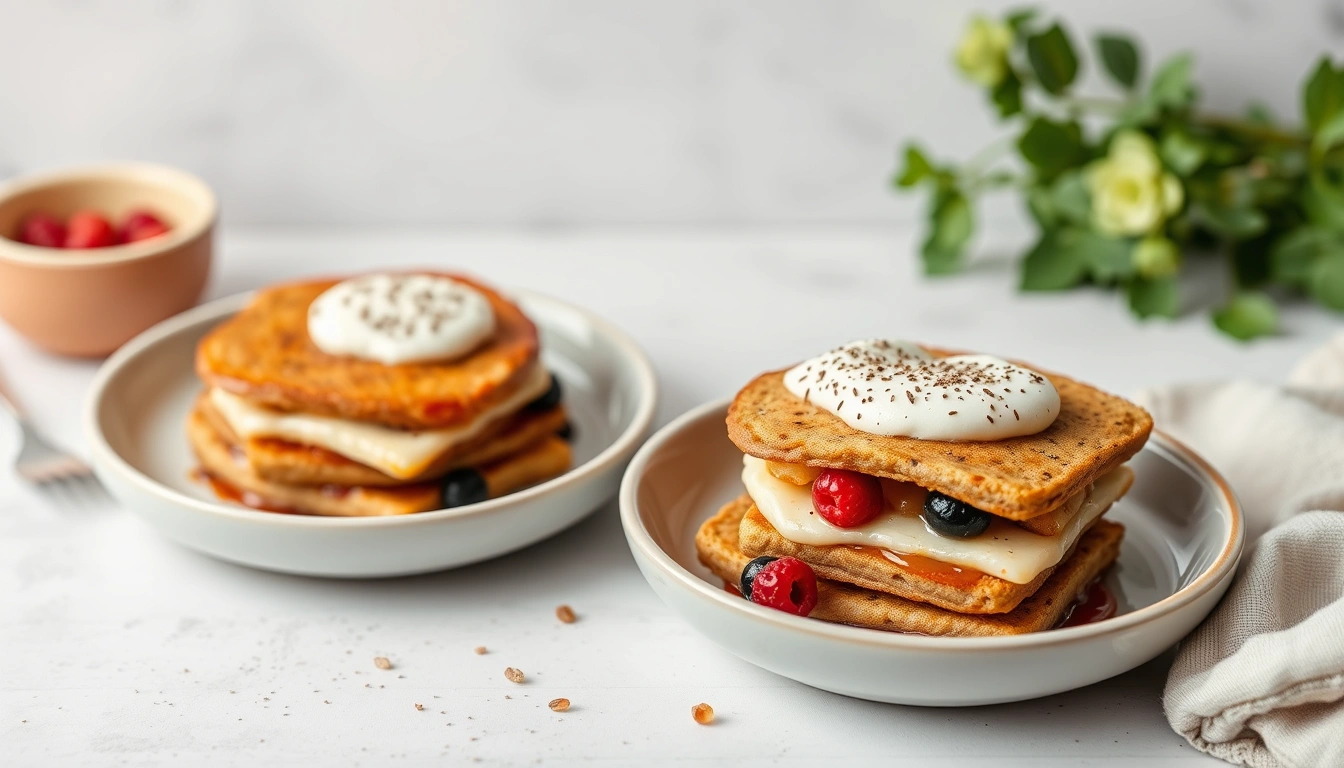
Egg-based breakfasts work best for people who tolerate eggs and want the most filling option with the least morning effort. I would pick this route for someone who needs protein early and feels better with savory food than with sweet. Scrambled eggs, hard-boiled eggs, or a simple egg-and-rice bowl can be made quickly, and eggs are easy to pair with plain toast, cucumber, or a safe fruit on the side.
Here’s the part that counts: eggs are flexible without dragging in complicated ingredients. Cooking for one? Two eggs, done. Batch-cooking hard-boiled eggs? You get a grab-and-go option for a few days. Handy, really. That matters when breakfast is the meal most likely to get skipped.
The downside is real. Eggs are not universally tolerated in histamine-sensitive diets, and some people react to them even when the rest of the plate is clean. They also spoil quickly once cooked, so an egg muffin tray or big frittata can become a poor fit if you rely on leftovers several mornings in a row. A “quick” egg breakfast can also feel like a chore if you hate standing at the stove while the coffee drips.
Who should skip this route? Anyone who already suspects eggs are part of their symptom pattern, or anyone who needs breakfast to be completely no-cook. In that case, I would move to a grain-and-fruit breakfast or a rice bowl instead.
Good low-histamine egg ideas:
– Soft scrambled eggs with salt and olive oil
– Hard-boiled eggs with cucumber slices
– Plain omelet with a tolerated herb
– Egg over warm rice if you need something more filling
Grain-and-Fruit Breakfasts: The Specific Situations Where It Wins
Need speed with zero morning cooking? Grain-and-fruit breakfasts are hard to beat. I point people here when they say, “I need something I can eat while standing in the kitchen.” Plain oats, rice, millet, or cream-of-rice style cereals can be a steady base if you tolerate them. Add a fruit you already know works for you, and you have a breakfast simple enough to repeat daily.
Control is the win. You can keep the ingredient list short and dodge the common histamine traps hiding in flavored instant packets, dried fruit mixes, and store-bought granolas. A warm bowl of plain oats with pear, for example, is less flashy than a parfait, but it is much easier to keep steady. If your symptoms are unpredictable, consistency beats variety. Every time.
The downside? Grain breakfasts can be too light for some people. If you are active, under-fueled, or prone to blood sugar dips, a bowl of oats alone may not carry you to lunch. Some fruits also cause trouble for certain people, and that part is individual. I would not pretend there is a universal “safe fruit” list that works for everyone. You still need to test your own tolerance with care.
This option suits people who want breakfast to be almost assembly-only. It also works for meal prep, but only if you treat the grain base carefully and check current guidance with a professional if your symptoms are severe or inconsistent. Cooked grains are a leftover risk for some people, so I would make smaller batches, cool them quickly, and use them while still fresh. If leftovers are a problem for you, make this fresh in the morning instead of storing a big container.
Dairy-Free Smoothies: The Honest Side-by-Side
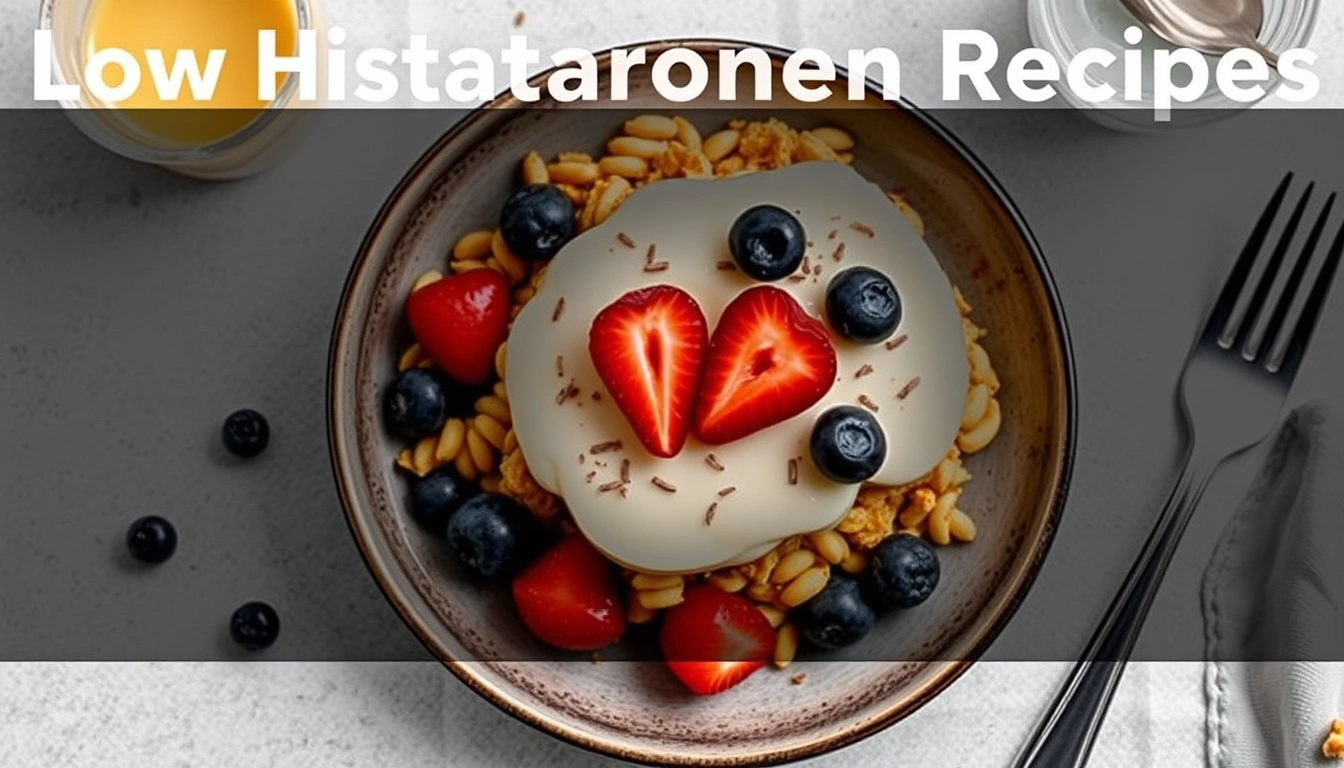
Dairy-free smoothies can be the easiest low-histamine breakfast, but only if your ingredient list is tiny and your freezer/fridge routine is disciplined. I would use this option for someone who has a blender on the counter, tolerates the ingredients well, and needs breakfast to disappear in under two minutes. Frozen fruit, water or a tolerated milk alternative, and a simple add-in can be enough.
The appeal is obvious: almost no cleanup and almost no cooking. On mornings when even toast feels like too much, a smoothie can be the difference between eating and skipping. It is also easy to drink if you don’t feel hungry right away.
But the drawback is a minefield. Many “healthy” smoothie recipes include banana, citrus, yogurt, nut butter, protein powders, spinach, or cocoa—ingredients that are common problems for some people. A smoothie also removes a key self-check: chewing. Some people feel better when they eat something solid and plain, because it slows them down and makes symptoms easier to read.
Here is the honest side-by-side:
| Criteria | Egg-Based Breakfasts | Grain-and-Fruit Breakfasts | Winner for [condition] |
|---|---|---|---|
| Morning speed | Fast, but needs heat | Fastest if prepped or cooked simply | Grain-and-Fruit for no-cook mornings |
| Protein | Usually stronger | Usually lighter unless you add tolerated extras | Egg-Based for staying full longer |
| Ingredient simplicity | Very simple | Very simple | Tie |
| Leftover risk | Medium to high if cooked in batches | Medium if grains sit too long | Grain-and-Fruit for same-day prep |
| Works when appetite is low | Sometimes not ideal | Often easier to tolerate | Grain-and-Fruit |
| Portable | Moderately portable | Depends on packaging | Egg-Based for simple grab-and-go |
| Best for savory eaters | Yes | No | Egg-Based |
| Best for strict no-cook mornings | No | Yes | Grain-and-Fruit |
For the smoothie version, my view is straightforward: it only wins if you already know your ingredients are safe. Otherwise, a plain bowl of food is the safer bet because hidden triggers are easier to dodge.
Low Histamine Breakfast Recipes I Would Actually Keep in Rotation
I would keep the recipe list short. Repeatable. That is how busy mornings stay manageable. These are the kinds of breakfasts that fit the rules without asking for much.
1. Warm rice bowl with pear
– Plain cooked rice
– Fresh pear slices
– A drizzle of olive oil or a little tolerated butter
– Pinch of salt
It works because it is bland, filling, and easy to build from leftovers only if leftovers are safe for you. If not, make the rice fresh.
2. Soft scrambled eggs on toast
– Eggs
– Bread you tolerate
– Salt
– Olive oil or butter
This is a fast hot breakfast for people who tolerate eggs. Keep the seasoning basic.
3. Oatmeal with apple or pear
– Plain oats
– Water or tolerated milk alternative
– Fresh apple or pear
– Optional cinnamon only if you know it sits well
A strong no-fuss pick. I would avoid packaged flavored oatmeal.
4. Cucumber and egg plate
– Hard-boiled eggs
– Cucumber
– Plain toast or rice cakes
Useful when you need breakfast assembled cold and fast.
5. Cream of rice with fruit
– Cream of rice or similar plain cereal
– Water or tolerated milk alternative
– Fresh fruit that you already trust
One of the simplest options for a sensitive stomach, though it may not hold you for long unless you pair it with protein.
6. Plain smoothie, only if tolerated
– Frozen fruit you know is safe
– Water or tolerated milk alternative
– No extra powders, sweeteners, or add-ins unless already proven safe
A convenience breakfast, not a default breakfast. I would not make it the foundation of a low-histamine plan unless your body has already signed off on it.
How to Make Low Histamine Breakfast Recipes in 3 Steps
Because low histamine breakfast recipes busy mornings need speed, the process should stay simple. Step 1: choose one protein, one starch, and one tolerated fruit or vegetable. Step 2: keep the recipe to 3 to 5 ingredients so it is easy to repeat. Step 3: make only what you will eat that day, or chill leftovers quickly if your body tolerates them.
For example, a 5-minute breakfast can be as simple as eggs, toast, and olive oil. A no-cook breakfast can be rice cakes, cucumber, and hard-boiled eggs. Want meal prep? Prep the parts separately so you can assemble them fast without building a complicated dish.
Our Verdict: Which One to Choose and Why
Choose egg-based breakfasts if you tolerate eggs and need the most filling low-histamine option with the least ingredient fuss. Choose grain-and-fruit breakfasts if you need the safest no-drama path for rushed mornings, or if you want a breakfast that can be eaten cold with minimal prep. Neither works well if you cannot predict your trigger foods well enough to repeat the same breakfast for a week.
My call is clear: eggs win on staying power, grains win on ease.
For most busy mornings, I would start with one grain breakfast and one egg breakfast in rotation. That gives you a fallback if one category starts causing problems. If eggs sit well, keep them in the mix. If they do not, lean harder on plain oats, rice, or cream of rice with a tolerated fruit.
The mistake I see most often is trying to make low-histamine breakfast feel exciting. That usually leads to longer ingredient lists, more leftovers, and more guessing. Better to choose the least complicated breakfast you can repeat without dread.
When to Reconsider This Choice Entirely
Reconsider the whole breakfast plan if one of these is true:
-
You react to multiple “safe” staples. If eggs, oats, rice, and most fruit all bother you, the problem is not recipe choice alone. You may need a clinician’s help to sort out histamine intolerance, another food sensitivity, or a different digestive issue. The American College of Allergy, Asthma & Immunology is a useful starting point for learning what histamine intolerance is and what it is not.
-
Leftovers are clearly part of your symptoms. If cooked food sitting overnight makes you worse, batch cooking may be the wrong strategy for now. That means more same-day cooking and smaller portions.
-
You need a medically tailored diet. If you are also managing weight loss, diabetes, pregnancy, a feeding disorder, or another condition that changes breakfast needs, get professional guidance rather than guessing. Food restrictions stack up quickly.
-
You are relying on supplements or powders to “fix” breakfast. That is often where low-histamine eating gets shaky. Powders, protein blends, and flavored add-ins are common trouble spots, and they can make symptoms harder to trace.
If your breakfast has become a daily negotiation, simplify first. Remove ingredients before you add them. Then build a tiny rotation you can actually live with: one hot option, one cold option, one backup. That is the most useful low-histamine breakfast system I know for busy mornings.