Last updated: August 10, 2026
Flushing after leftovers. Itching after wine. A wired-and-tired crash that hits out of nowhere. When that pattern shows up, low-histamine eating is a tool worth testing — not a personality, not a life sentence. In this low-histamine eating MCAS histamine intolerance — complete guide, the point is to help you judge whether it deserves a trial, how long to keep it going, and how much backup you need. For some people with MCAS or histamine intolerance, it settles symptoms. For others, it just adds rules. Short version.
Quick Answer: For many people, a 2- to 4-week low-histamine trial is enough to see whether symptoms drop. Should symptoms improve by about 30% or more, the diet may be worth continuing in a simpler form; if nothing changes, it is usually time to stop tightening the rules and look elsewhere. Underweight, pregnant, living with a history of restrictive eating, or dealing with frequent/severe reactions? Consult a professional before starting.
Key Facts / Key Takeaways
– Low-histamine eating is usually a short-term tool, not a forever diet.
– A 2- to 4-week trial is a common starting window.
– Freshness matters: leftovers, slow storage, and reheated batch cooking can raise the histamine load.
– Histamine intolerance is often more food-linked; MCAS is often more trigger-dense and variable.
– A useful diet should reduce symptoms without shrinking your food intake too far.
– When symptoms do not improve, stop escalating the restrictions.
– Seek clinician guidance for weight loss, pregnancy, severe reactions, anemia risk, or a restrictive-eating history.
I write about diet, food intolerance, and symptom-driven eating with one goal: helping people make a decision they can actually live with. With histamine problems, the real question is rarely “Should I eat low-histamine forever?” No. It is more like: how strict, for how long, and what happens if the usual advice backfires?
The Real Difference Between Low-Histamine Eating for MCAS and for Histamine Intolerance
Low-histamine eating works best as a symptom-management strategy, but the reason you need it changes how hard you should push. In histamine intolerance, the issue is usually a mismatch between histamine intake and histamine breakdown. In MCAS, histamine is only one piece of a broader mast-cell problem, so food may help without explaining everything. Messy, frankly.
That difference changes expectations. With histamine intolerance, the response can be cleaner: certain foods trigger trouble, and lowering the total histamine load often helps. In MCAS, the same meal may be fine on Monday and miserable on Wednesday because sleep, stress, infection, hormone shifts, heat, exercise, medications, and cumulative exposures all move the target. In plain language, MCAS is usually messier. Like trying to hit a moving dartboard.
I think a generic article gets this wrong when it treats “low-histamine diet” like one fixed list. It is not. It depends on your threshold, the freshness of the food, how it was stored, what else is happening in your body, and how many foods you already avoid. So some people feel better, some feel worse; the problem is not the idea itself, but the version they were handed. Should you be unsure where your symptoms fit, consult a clinician who understands MCAS or food intolerance. For background, the Cleveland Clinic notes that histamine intolerance symptoms can overlap with many other conditions, which is why self-diagnosis is tricky.
Here is the decision I would make when starting from zero: if your symptoms reliably flare after leftovers, wine, vinegar, cured meats, hard cheeses, canned fish, kombucha, or restaurant meals that sit under heat lamps, a time-limited low-histamine trial makes sense. Should symptoms be wildly inconsistent and tied to many triggers beyond food, I would still consider it, but only as one part of a broader plan with a clinician who understands MCAS or food intolerance. That is especially important if you have weight loss, disordered eating history, anemia risk, frequent reactions, or very limited safe foods. The NIAID food allergy guidelines also support specialist evaluation when reactions are recurrent or severe.
Criteria to judge the approach
| Criteria | Low-histamine eating helps | Low-histamine eating struggles | Winner for this condition |
|---|---|---|---|
| Predictable food-triggered flares | Often useful when specific foods are repeat offenders | Less useful when triggers are diffuse and nonfood factors dominate | Histamine intolerance |
| Reaction pattern | Works best when symptoms follow a pattern after meals or leftovers | Harder when symptoms arrive hours later without clear food links | Histamine intolerance |
| Day-to-day variability | Can help, but may need more flexibility | Can feel random and harder to pin on one food list | MCAS |
| Need for a short-term reset | Often useful as a trial to identify triggers | Useful only if paired with broader trigger tracking | Both, with structure |
| Risk of overrestriction | Lower if the plan stays time-limited and simple | Higher because many people keep shrinking the diet | Neither |
| Need for medical supervision | Helpful if symptoms are significant or nutrition is slipping | Important when reactions are frequent or severe | MCAS |
| Food freshness sensitivity | Very important because storage can raise the histamine load | Important, but not always the whole story | Histamine intolerance |
| Complexity of symptom control | Usually more straightforward | Usually more complicated and layered | MCAS |
Low-Histamine Eating for Histamine Intolerance: Who Should Actually Use This and Who Shouldn’t
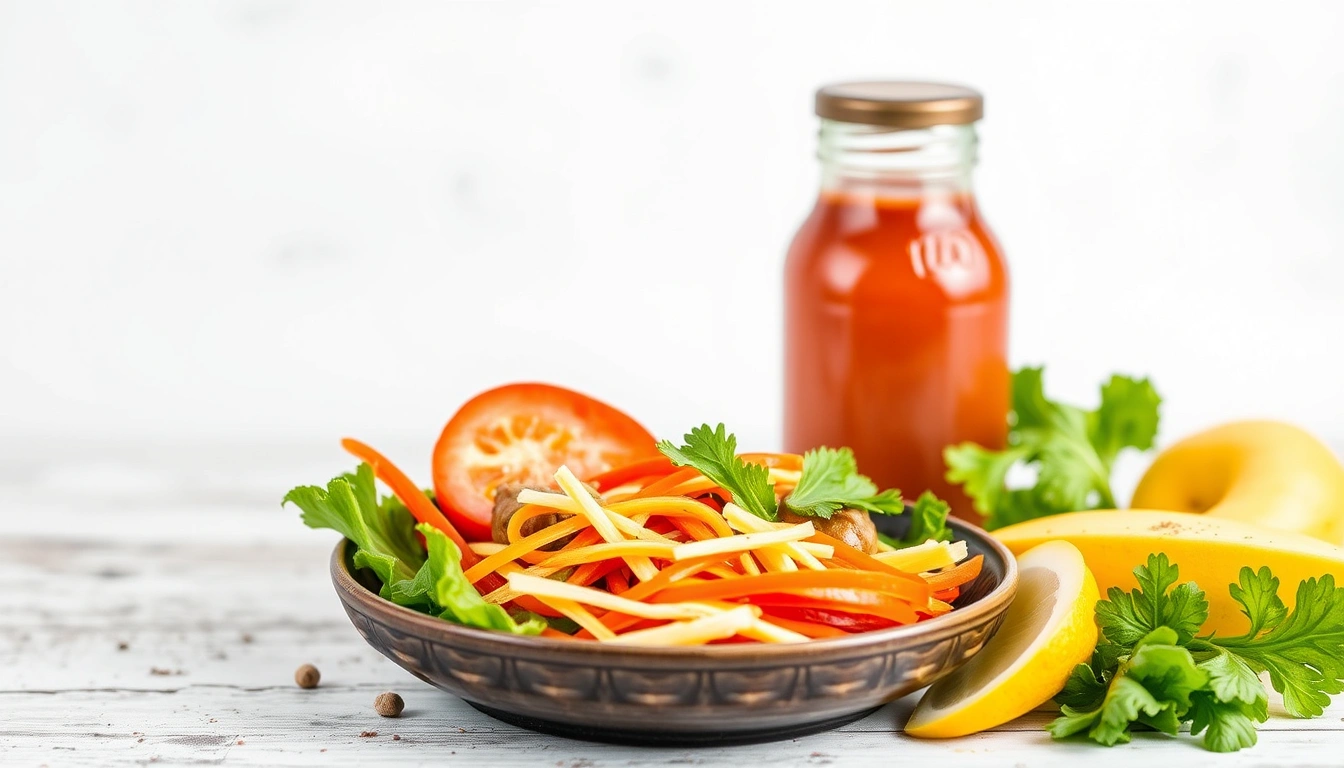
Low-histamine eating fits best for people who notice repeatable reactions to aged, fermented, or poorly stored foods. When symptoms cluster around leftovers, wine, vinegar, cured meats, hard cheeses, canned fish, kombucha, or restaurant meals that sit under heat lamps, a short low-histamine trial is reasonable. That profile is the one most likely to show a clear payoff. Still, consult a clinician if reactions are frequent, severe, or confusing, because histamine symptoms can overlap with other conditions. The Cleveland Clinic and AAAAI both emphasize that symptom patterns alone do not make the diagnosis.
What makes this approach useful is not magic. It strips out common high-histamine exposures quickly enough to reveal a pattern. Many people do better when they reduce both obvious histamine-rich foods and the quieter sources, like food that has sat in the fridge too long or been cooked in big batches and reheated for several days. That freshness issue is one of the most overlooked parts of low-histamine eating. People often blame the ingredient list when storage and time are the real culprits. A 2- to 4-week trial is often enough to see that pattern.
But there is a trap. The “forbidden” list online keeps growing, and before long someone is avoiding tomatoes, spinach, avocado, bananas, yogurt, soy sauce, fermented grains, leftovers, citrus, chocolate, nuts, and many packaged foods. Then the diet is stricter than needed and harder to live with than the problem itself. I would not keep a very strict version going long term unless symptoms clearly improve and a clinician agrees the trade-off is worth it.
Who should skip or pause and ask for help? Anyone with significant unintentional weight loss, food fear, a history of restrictive eating, pregnancy, poor appetite, or symptoms that do not improve at all after a sensible trial. When the diet makes you more anxious, more isolated, or more symptomatic because you are under-eating, it is no longer helping. Not a willpower issue. A signal.
Histamine intolerance: who should use it and who shouldn’t
Use it if your symptoms are strongly meal-linked, your trigger foods are fairly consistent, and you can keep the plan simple. Skip it as a standalone strategy if your symptoms are driven mostly by stress, hormones, medications, or an underlying disorder that keeps flaring regardless of food. In those cases, food changes may still help, but they will not be the whole answer.
Low-Histamine Eating for MCAS: The Specific Situations Where It Wins
Low-histamine eating helps MCAS most when you need a symptom buffer, not a cure. That is a modest promise because MCAS usually responds best to layers: food changes, trigger reduction, medication when appropriate, pacing, sleep, and a plan for flares. Food is one layer. For many people, it is the first layer they can actually control.
I still favor a low-histamine trial in MCAS for a simple reason: it can lower the background load. When a person is already reacting to pressure, heat, fragrance, infection, exertion, or hormone shifts, removing a few common food triggers can make daily life less volatile. The biggest gain is often not dramatic symptom disappearance. It is fewer small flares that snowball into a rotten week.
I would especially consider this approach when symptoms are worse after meals, when the person has been told they have MCAS but feels lost in conflicting diet advice, or when the person reacts to leftovers and fermented foods. It also helps if the person wants an experiment that gives data quickly. A short, simple trial can show whether food is a major driver or only a minor one. If you want a broader medical overview, the AAAAI mast cell disorder page is a useful starting point.
The weak spot is obvious: MCAS can make people chase certainty where none exists. One safe meal does not mean forever safe. One bad meal does not mean a food is banned for life. When someone answers that uncertainty by subtracting more and more foods, the diet gets too narrow and can raise stress, which is the last thing MCAS needs.
My line is this: in MCAS, low-histamine eating is worth trying when it reduces volatility, but it should be treated like a tool for information and symptom control, not a permanent test of virtue. When it is not making life easier within a reasonable trial period, it is probably not the right lever to pull that hard. If you are unsure, consult a clinician before making it stricter.
MCAS: who should use it and who shouldn’t
Use it if you need a lower-reactivity baseline while you and your clinician sort out the bigger picture. Do not use it as a solo fix if your reactions are severe, multi-system, or escalating. And do not keep tightening the diet just because “some people with MCAS avoid everything.” That road usually ends in exhaustion, malnutrition, and no clearer answer than you started with.
The Honest Side-by-Side
Low-histamine eating can look similar on paper whether you have MCAS or histamine intolerance, but real-world use is different. Histamine intolerance is usually more food-centered and more likely to respond to a cleaner elimination-and-reintroduction cycle. MCAS is usually more trigger-dense, which means the diet may help, but it is rarely the whole treatment. When you want to compare options, the real question is low-histamine vs more general elimination dieting: start with the narrowest plan that matches your pattern.
If you are trying to decide where to begin, ask this: do I need a food-specific answer, or do I need a symptom-reduction tool while I untangle a broader reactive pattern? That question usually points to the right lane.
The honest side-by-side
| Criteria | Low-histamine for histamine intolerance | Low-histamine for MCAS | Winner for this condition |
|---|---|---|---|
| How clear the trigger pattern usually is | Often clearer and more meal-linked | Often more mixed with nonfood triggers | Histamine intolerance |
| How much food change can move symptoms | Often a larger share of the answer | Often helpful, but not enough alone | Histamine intolerance |
| Need for flexibility day to day | Moderate | High | MCAS |
| Risk of chasing an ever-expanding food list | Real, but easier to contain with a simple plan | Higher because reactions are more variable | Histamine intolerance |
| Usefulness of leftovers avoidance | Very high | High | Histamine intolerance |
| Need to pair with other therapies | Helpful, but sometimes less central | Usually essential | MCAS |
| Clarity of reintroduction testing | Usually more useful | Harder because flare patterns are noisier | Histamine intolerance |
| Likelihood that the diet becomes overly restrictive | Moderate | Higher | Histamine intolerance |
The practical takeaway is not that one condition “deserves” a stricter diet. It is that histamine intolerance tends to reward precise food experiments, while MCAS tends to reward a lower, steadier baseline. One is more like a diagnostic test. The other is more like damage control.
The trade-off is plain: precision can help you find more triggers, but precision also costs energy. When you are already depleted, a long list of rules is a bad deal. I would rather see someone do a shorter, cleaner version well than a perfect version badly.
The Honest Side-by-Side in Practice: What Usually Helps, What Usually Backfires
For both groups, the wins are the same basics done consistently: fresh food, simple meals, fewer fermented or aged ingredients, and less reliance on leftovers. The backfires are the same basics too: overrestriction, social isolation, and turning every symptom into proof that another food must go.
I think a generic guide gets this wrong by focusing too much on “allowed” and “not allowed” lists. Food handling matters more. Fish that sits around, soups that live in the fridge for days, batch-cooked meats, slow-cooked leftovers, and long storage can all be harder to tolerate than the original ingredient list would suggest. A person can eat “safe” foods and still feel awful because the histamine load rose after cooking or storage. Freshness often matters as much as category.
Another common mistake is ignoring the rest of the plate. A very low-histamine meal that is also too low in calories, too low in protein, or too repetitive can make a person feel shaky, headachy, or weak and then blame histamine. Sometimes the problem is not histamine at all; it is under-fueling. For example, a meal with only tea and rice crackers is low histamine but not enough food.
If I were building a sensible starting point, I would keep meals boring in a useful way: fresh-cooked protein, tolerated starch, tolerated vegetables, tolerated fat, and a short list of seasonings. I would not try to create gourmet variety in week one. Novelty is a lousy substitute for stability when symptoms are flaring.
Our Verdict: Which One to Choose and Why
Choose low-histamine eating as a structured trial if your symptoms are clearly food-linked, especially if leftovers, fermented foods, aged foods, or restaurant meals are repeat offenders. Choose it as a longer-term management tool if you have histamine intolerance and a simple plan noticeably reduces symptoms without shrinking your diet too far.
Choose a lower-histamine pattern for MCAS if you need a calmer baseline while you and a clinician sort out broader triggers, but keep it flexible and time-limited unless there is a clear payoff. Choose MCAS-style food management with more room for variation if your reactions change with stress, hormones, sleep, heat, exertion, or illness.
Neither if the diet is making you eat too little, fear too many foods, lose weight, or obsess over every meal without a symptom benefit. In that case, the diet is no longer therapeutic; it is adding a new problem.
My bottom-line recommendation is simple: start with the least restrictive version that still removes your likely triggers, then test whether it actually changes your symptoms. If it does, keep the parts that help. If it does not, stop tightening the rules and look at the bigger picture.
Exception Scenarios: When the Verdict Flips
There are a few cases where I would change the recommendation.
First, when you have a long history of obvious reactions to fermented or aged foods, I would lean harder toward a histamine-intolerance-style trial, even if MCAS is also on the table. That pattern is one of the clearest clues that histamine load matters.
Second, should your symptoms be dominated by nonfood triggers and meals only seem to matter during broader flares, I would treat low-histamine eating as optional support, not the main event. In that situation, the food plan may still help, but it should not consume all the attention.
Third, when you have a history of restrictive eating or you notice that the diet makes you more fearful and less nourished, I would flip away from strict low-histamine rules and toward a gentler, clinician-guided approach. A diet that wrecks your ability to eat enough is not a success.
Fourth, if you are pregnant, underweight, losing weight, or struggling with frequent severe reactions, I would not do a DIY version. That is the point where the risks of overrestriction and missed nutrition outweigh the convenience of self-management.
How to Start Without Over