Last updated: November 19, 2026
Quick answer: 5 core options—white rice, potatoes, oats, quinoa, and rice noodles—are the most common starting points in Low Histamine Grains and Starches: Rice, Oats, Pasta, and Potato Options. White rice and plain potatoes are usually the easiest places to begin, while oats, brown rice, sweet potatoes, quinoa, and plain pasta may fit depending on tolerance, storage, and cooking method.
Low Histamine Grains and Starches: Rice, Oats, Pasta, and Potato Options are usually the safest place to start when you need a plain, filling base without a long ingredient list. White rice, potatoes, oats, quinoa, and rice noodles are the main building blocks most people reach for first, while brown rice, sweet potatoes, and pasta can work depending on tolerance and how they are stored and cooked.
Key takeaways
- White rice is usually the easiest grain to make low-histamine meals around because it is simple, bland, and fast to cook.
- Oats are useful for breakfast, but they are not a universal fit; texture, freshness, and portion size matter.
- Potatoes are one of the most flexible starches for side dishes, especially when cooked plainly and eaten soon after cooking.
- Brown rice, quinoa, rice noodles, sweet potatoes, and some pasta options can fit, but they bring more variables than white rice.
- The main practical problem is often not the grain itself; it is leftovers, sauces, spice blends, and long storage.
- This page is about building blocks, not a full low histamine foods list or recipe collection.
The low histamine grain and starch shortlist
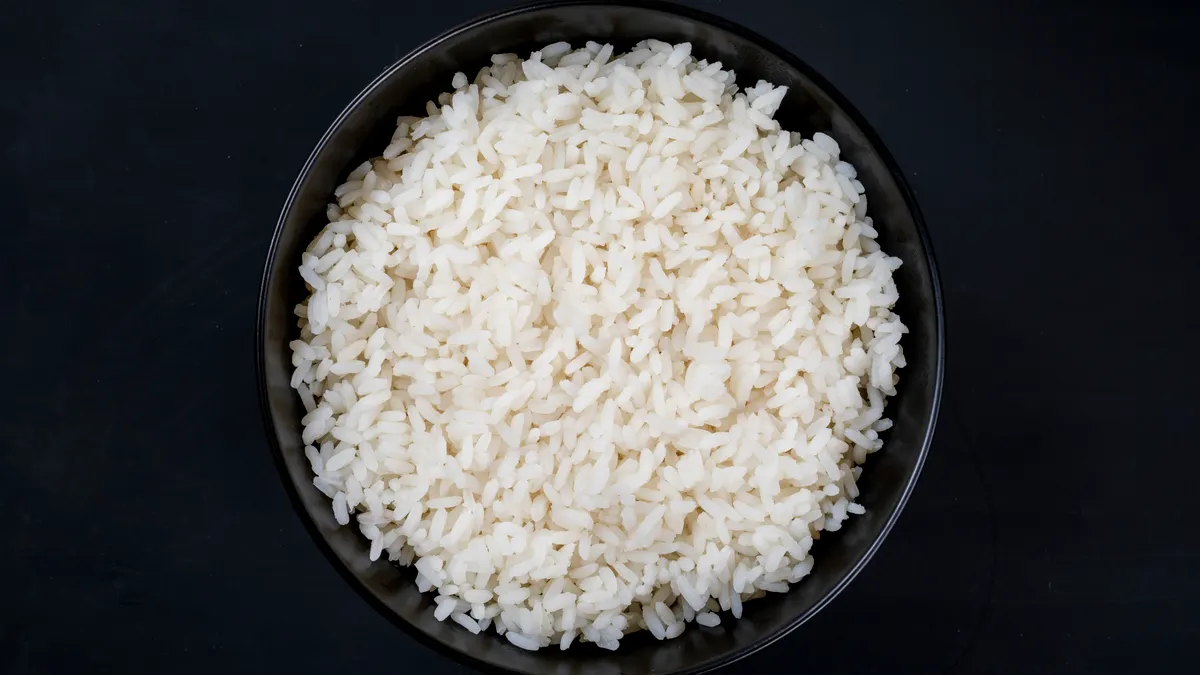
The most practical Low Histamine Grains and Starches: Rice, Oats, Pasta, and Potato Options are white rice, oats, potatoes, sweet potatoes, quinoa, rice noodles, and, for some people, brown rice and plain pasta. That list gives you breakfast grains, side dish starches, and a few gluten-free grain options without forcing you into complicated cooking.
White rice is the most straightforward choice because it has a neutral flavor, cooks in about 15 to 20 minutes on the stove for many varieties, and adapts to savory or mild sweet uses. Long-grain white rice, jasmine, and basmati are common options. Brown rice is more fibrous and takes longer, often 35 to 50 minutes depending on the variety, which makes it less convenient and sometimes harder on digestion.
Oats can work well when you want something soft and quick. Rolled oats usually cook in 5 to 10 minutes; steel-cut oats take longer and have a firmer bite. For some readers, that firmness is a plus. For others, especially if the gut is sensitive, the texture can be too heavy.
Potatoes and sweet potatoes are starches rather than grains, but they belong in the same planning bucket. They are easy to season lightly, pair with protein, and serve as a side dish without demanding much from the rest of the meal. Quinoa and rice noodles are useful backups when you want variety or need a gluten-free option that still behaves like a grain on the plate. The USDA’s FoodData Central is a useful reference for checking basic food details, and Monash University’s low-FODMAP resources can also help you compare how plain starches are handled in sensitive-diet planning. USDA FoodData Central · Monash University FODMAP
The wrong move is to treat all of these as equally safe. They are not, and if symptoms are complex, it is worth consulting a clinician or dietitian before you assume a starch is the problem rather than the portion, storage, or the rest of the meal. One person may do fine with white rice and potatoes but react to oats or brown rice. Another may tolerate oats only in a small portion, not as a full bowl. The point is to keep the base simple, then test one item at a time.
Which grains are easiest to tolerate?
White rice is usually the easiest grain to tolerate, and that is why it belongs at the center of many low histamine meal plans. Its mild flavor, low fiber compared with brown rice, and plain texture make it easier to use when you want a predictable base.
The ranking usually starts with white rice, then potatoes, then oats for many readers, though that order is personal rather than universal. White rice gives you the cleanest texture and the least culinary noise. Potatoes are often well-liked because they are familiar and can be cooked in several simple ways: boiled, baked, steamed, or roasted. Oats are the most variable of the three because some people tolerate them well in a warm bowl while others find them filling in an unpleasant, heavy way.
Brown rice deserves a separate warning. It is not automatically “bad,” but it is less forgiving. The bran layer makes it chewier and slower to cook, and that can be a problem if you already struggle with digestion or want a very plain meal. Quinoa sits in a similar middle zone. It is gluten-free and useful, but the seed coat can taste bitter if not rinsed well, and that bitterness makes it less appealing in a simple low histamine routine.
Rice noodles are a practical special case. They are not a grain in the same sense as a bowl of rice, but they can stand in for one. Many brands cook in 3 to 6 minutes, which is useful when you need a fast starch that does not sit around in the pot for long. The trade-off is that noodles often turn mushy if overcooked, so they need closer attention than rice.
Pasta belongs on this list in a limited way. Plain pasta can fit if the ingredient list is short and you tolerate wheat or a gluten-free pasta base. What matters here is not the shape; it is the freshness of the finished dish, the simplicity of the sauce, and whether the texture sits well with you. When you compare options in Low Histamine Grains and Starches: Rice, Oats, Pasta, and Potato Options, the short ingredient list matters as much as the starch itself.
If you want a decision rule, use this: start with white rice or potatoes, then move to oats, quinoa, brown rice, rice noodles, and pasta only after you know the first two sit well. That order keeps the variables small.
How to cook them simply without turning them into a problem
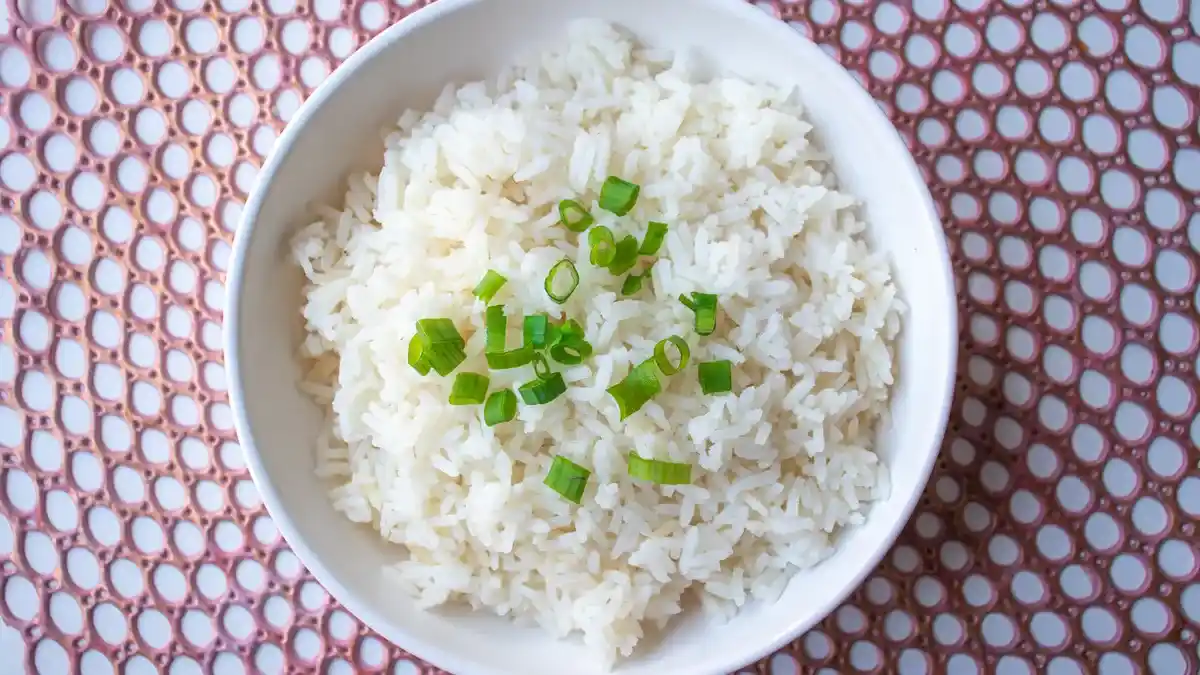
Cook each starch plainly, portion it once, and eat it soon after preparation. That is the easiest way to keep the food from becoming a storage problem or a sauce problem.
- Choose one starch and one cooking method. Pick 1 cup uncooked white rice, 2 medium potatoes, or 1 cup oats as your starting batch. A single variable makes it easier to notice whether the food agrees with you.
- Use plain water and a clean pot. For rice, use the package ratio; for oats, use water or a tolerated milk substitute; for potatoes, cover with water by about 1 inch. The goal is a simple base, not a heavily seasoned dish.
- Cook until the texture is fully done but not held too long. White rice should be tender and separate; potatoes should pierce easily with a fork; oats should be soft but not dry. For rice noodles, stop as soon as they are just tender, often after 3 to 6 minutes.
- Serve immediately or cool quickly. If you are eating right away, plate the food as soon as it is done. If you need leftovers, cool them promptly in a shallow container rather than leaving them in a warm pot.
- Keep the topping short. Use a known-safe oil, a little salt if tolerated, and one or two simple vegetables or a plain protein. A long sauce list is where many meals stop being low histamine in practice.
This is the part people get wrong most often: they blame the grain, when the real issue is the rest of the plate. A rice bowl loaded with aged sauce, tomato, vinegar, or pre-made seasoning is not a clean test of rice at all. The same goes for mashed potatoes made with unknown butter substitutes, garlic-heavy spice blends, or canned broth.
Simple cooking also matters for texture. Overcooked oats can turn gluey. Brown rice can stay tough if undercooked. Rice noodles can collapse into paste if left in hot water too long. Each of those failures changes the meal in a way that can make it harder to judge tolerance. If you want a clean read, keep the preparation almost boring.
For further structure, the low histamine pantry staples hub can help you build the rest of the kitchen around these basics.
Breakfast grains that do not fight you in the morning
Oats and white rice are the most practical breakfast grains here, because they can be made mild, warm, and quick without a long ingredient list. That matters when the morning is the time you want the least friction.
Rolled oats are the obvious breakfast choice. They cook in about 5 to 10 minutes on the stovetop and can also be made in the microwave. Their advantage is softness. Their drawback is that they can get mushy fast, especially if you cook a large batch and hold it. Steel-cut oats bring more chew and more staying power, but they usually take around 20 to 30 minutes and may be too heavy for some stomachs first thing in the morning.
White rice works at breakfast more often than people expect. Left out of the sauce-and-protein frame, it can be a plain base with a little tolerated fat or a mild fruit topping if fruit is part of your plan. It is especially useful when oats are not a fit. The texture is lighter than many hot cereals, and it reheats without much drama if you portion it carefully.
Quinoa can also serve as a breakfast grain, though it is more of a fallback than a default. It cooks in about 15 minutes and can be made soft enough for a porridge-style bowl. That said, it has a more noticeable flavor than rice, so it is not the first thing I would use when trying to keep breakfast calm and predictable.
The common breakfast mistake is choosing convenience over clarity. Packaged granola, instant flavored oats, and flavored rice cups often come with ingredients that muddy the water: dried fruit, seed oils, flavorings, or preservatives. Those extras may matter more than the grain itself. If you are testing tolerance, use plain oats or plain rice first, then add one extra ingredient at a time. For plain breakfast planning, the low histamine grains and starches approach works best when the first bowl stays simple.
Side dish starches: potatoes, sweet potatoes, and rice noodles
Potatoes are often the most practical side dish starch for low histamine meals because they are cheap in the everyday sense, easy to cook in several ways, and simple to pair with proteins and vegetables. A baked potato, boiled potato, or roasted potato can sit next to a meal without forcing the rest of the plate to do much work.
Plain potatoes are flexible. Boiling gives you the gentlest texture. Baking gives you a dry, fluffy interior. Roasting gives you a firmer edge, which some people prefer because it holds together better on the plate. If you are sensitive to texture, start with boiled or baked potatoes rather than heavily browned wedges. Browning itself is not the issue; the issue is that very crispy, very oily potatoes often come with more seasoning and longer hold times.
Sweet potatoes are useful, but they are not identical to white potatoes. Their natural sweetness makes them fit better with some meals than others, and their softer, wetter texture can be less filling for some people. They work well when you want variety without leaving the starch family. A medium sweet potato baked at 400°F for about 45 to 60 minutes is a common simple approach, but size changes the timing.
Rice noodles are fast side dish starches on this list. They suit quick stir-fries or broth-based meals when you want a plain base that does not require a long simmer. Their weakness is texture control. If you miss the window by even a few minutes, they can go from springy to sticky. They also need a clean sauce plan, because many noodle dishes depend on fermented, spicy, or aged ingredients.
These side dish starches are not interchangeable if digestion is part of the issue. Potatoes are often easiest on texture; sweet potatoes can be gentler for some and too sweet or dense for others; rice noodles are convenient but can feel too refined if you need something more substantial. The best choice is usually the one you can eat without building a complicated plate around it.
What to do when one starch does not sit well
If one grain or starch feels off, simplify the portion, change the cooking method, and strip the meal down to one starch plus one safe topping. That approach gives you a cleaner answer than chasing a new food every day.
Start with the quantity. A small portion, such as half a cup of cooked rice or one medium potato, can tell you more than a large serving because it reduces the load on digestion. If that works, move up slowly. If it does not, the problem may be texture, not the food category itself. Oats, for example, can be tolerated better as a thinner porridge than as a thick bowl. Brown rice can be easier if cooked longer and softened more, though it still may not be worth the effort if your gut dislikes it.
Change the form next. Boiled potatoes often sit better than roasted ones. White rice may work better than brown rice. Rice noodles may go down easier than a dense bowl of whole grains. The point is to notice whether you need a different starch or just a different presentation.
Storage is the other variable that causes trouble. Leftovers held too long are often a bigger issue than the original grain. If you are sensitive, cook smaller portions or chill and reheat only what you need for a single meal. A lot of people think they need a more restrictive pantry when they actually need a tighter routine. If symptoms stay confusing, a clinician or dietitian can help you sort out whether the issue is the food, the dose, or another trigger.
This is not the place for broad experimentation with sauces, cured meats, fermented condiments, or spice-heavy toppings. If a starch is supposed to be a blank canvas, keep it blank long enough to learn something from it, and consult a professional if the pattern is hard to untangle.
The bottom line on rice, oats, pasta, and potatoes
White rice and potatoes are usually the safest starting points, oats are the most useful breakfast grain for many readers, and brown rice, quinoa, rice noodles, sweet potatoes, and plain pasta can all have a place if you handle them carefully. The real test is not the label on the package; it is the portion size, freshness, texture, and what you put on top.
This page is not for someone looking for a full low histamine foods list or a week of recipes. It is for the person who needs a few dependable starches to anchor breakfast, lunch, or dinner without making the meal more complicated than it needs to be.
If one food does not work, that does not mean the whole category is off limits. It usually means the cooking method, serving size, or storage pattern needs to change first.
Are grains allowed on a low histamine diet?
Some grains are often used on a low histamine diet, but tolerance is individual and the preparation matters. White rice is usually the easiest place to start, while oats, brown rice, quinoa, and pasta may or may not fit depending on how you respond. A clinician or dietitian can help if symptoms are complex.
Which starches are easiest to tolerate?
White rice and plain potatoes are usually the easiest starches to tolerate. They are simple, mild, and easy to prepare without extra ingredients. Oats can also work for some people, especially as a breakfast grain, but they are a little more variable in both texture and digestion.
Drafted with AI; not yet reviewed by a person.