Last updated: November 19, 2026
Histamine-friendly ingredient selection is about choosing ingredients and additives that are less likely to trigger symptoms, while avoiding the categories that most often cause trouble. In this Histamine-Friendly Ingredient Selection — The Complete Guide, freshness, processing, fermentation, storage time, and individual tolerance matter as much as the ingredient name on the label.
I write about food intolerance patterns and ingredient screening with the same lens I’d use for any medically adjacent diet topic: practical, conservative, and honest about uncertainty. If symptoms are severe, confusing, or overlapping with allergy, asthma, or GI disease, a clinician or registered dietitian should be part of the plan.
Key takeaways
- Fresh, plain, minimally processed ingredients are a common starting point, but they are not automatically safe for everyone.
- Fermented, aged, cured, smoked, and long-stored foods are frequent troublemakers, and people with symptoms should discuss them with a clinician or dietitian.
- “Low histamine” is not the same as “safe for everyone”; tolerance varies by person and by dose.
- Ingredient lists matter as much as the food itself, because additives and flavor systems can complicate the picture.
- Frozen ingredients can be a better choice than “fresh” food that has sat in a case or a fridge for days.
- A short elimination-and-reintroduction plan beats guessing, especially when too many foods are removed at once.
What histamine-friendly ingredient selection actually means
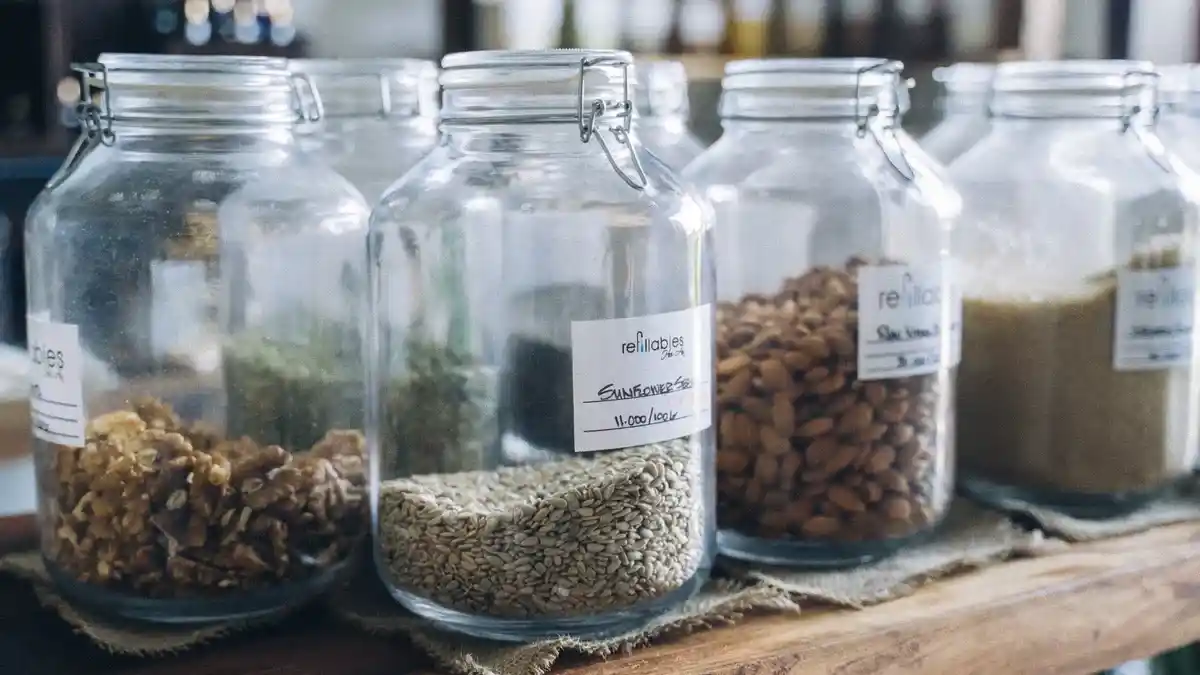
Histamine-friendly ingredient selection means picking ingredients that are less likely to add histamine, provoke histamine release, or arrive already loaded with other biogenic amines. In practical terms, that usually points to single-ingredient foods with short storage time, simple processing, and no fermentation or aging.
The useful question is not “Is this food universally safe?” It is “How likely is this ingredient to create a problem for a person who is trying to keep histamine load low?” That changes the answer. A peeled apple eaten soon after purchase is a very different choice from an apple product that has been sliced, stored, and packaged for convenience.
A generic guide often gets this wrong by drawing a fake bright line between “good” and “bad” foods. Histamine reactions are dose-dependent and context-dependent. A small serving of a borderline food may be tolerated on a calm day and fail badly during a flare. The same ingredient can also behave differently depending on ripeness, refrigeration time, and whether it was cooked and held.
That is why a careful starting pattern is simple: choose plain ingredients, buy them fresh, use them quickly, and keep the label short. The biggest risk is not one exotic food. It is the slow buildup from leftovers, sauces, condiments, aged proteins, and “health” products built on fermentation.
For a medically grounded overview of histamine biology and intolerance, Cleveland Clinic’s patient guidance on histamine intolerance is one useful reference point, and the UK NHS overview on food intolerance helps distinguish intolerance from allergy: https://my.clevelandclinic.org/health/diseases/21791-histamine-intolerance and https://www.nhs.uk/conditions/food-intolerance/
Which ingredients are usually the safest starting point?
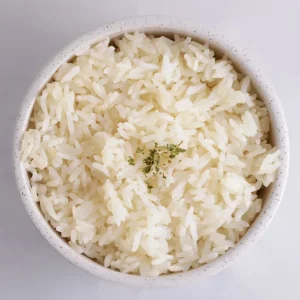
The safest starting point is usually plain, freshly prepared, minimally processed food with no fermentation, aging, or long storage. That includes ingredients such as rice, oats, most fresh vegetables, many fresh fruits, fresh meats cooked soon after purchase, and simple oils that have not been flavored or blended with herbs, chili, vinegar, or extracts.
This is not a promise of universal tolerance. It is a risk-management strategy. A plain ingredient has fewer moving parts, so if symptoms appear, the suspect list stays short. That matters because histamine symptoms can look like flushing, itching, headache, nasal congestion, GI upset, or a general “off” feeling. When a meal contains seven questionable elements, no one can tell which one caused the reaction.
A good low-histamine pantry usually favors:
- White rice, brown rice, rice noodles
- Oats, if tolerated
- Quinoa, if tolerated
- Freshly cooked chicken or turkey
- Eggs, if tolerated individually
- Many squash varieties
- Carrots, cucumbers, lettuce, cauliflower, broccoli
- Pears, apples, blueberries, melon, if tolerated
- Olive oil, coconut oil, avocado oil in plain form
- Salt, simple herbs, and single-ingredient spices in small amounts
The practical warning is freshness. “Fresh meat” that has been sitting in a refrigerator case or in a home fridge for several days is not the same thing as meat cooked the day it is bought. Histamine can accumulate during storage, and leftovers can make a carefully chosen ingredient list stop working.
A second warning is ripeness and processing. An ingredient list that looks clean can still hide vinegar, citric acid, yeast extract, “natural flavors,” or fermented components. The shorter the ingredient list, the less likely those surprises are.
Which foods are the most common histamine traps?
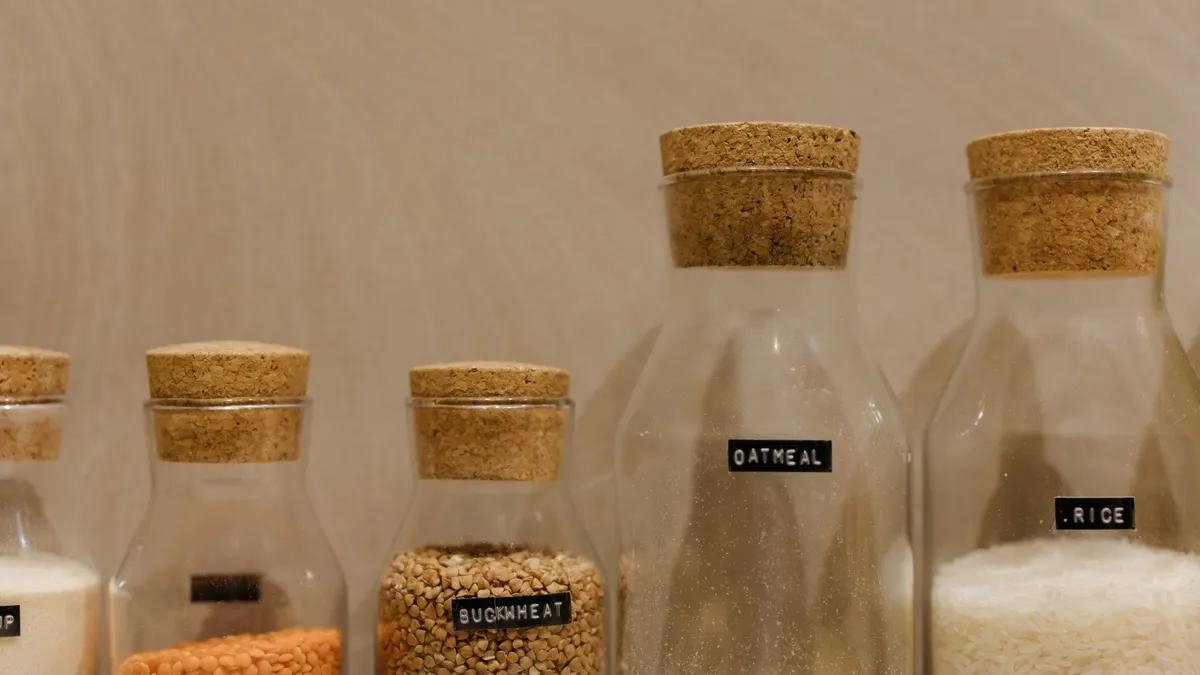
The most common histamine traps are fermented, aged, cured, smoked, canned, pickled, and long-held foods. That category also includes many leftovers, deli meats, hard cheeses, soy sauce, vinegar-heavy condiments, alcohol, and fish that is not extremely fresh. People with severe or confusing symptoms should review these categories with a clinician or dietitian, since tolerance varies.
That is the core rule most people need first, because it explains more failures than any individual food list. Aged cheese is a classic example. Salami is another. So is kombucha, sauerkraut, kimchi, miso, and many “probiotic” or fermented foods marketed as healthy. These can be excellent for some diets and terrible for histamine-sensitive people.
The same logic applies to fish and meat. Histamine rises when protein sits too long after harvest or slaughter. Fish is especially sensitive because the warning sign may not be visible. Tuna, mackerel, sardines, and other processed or canned fish can be especially problematic, while a fish dish cooked very soon after purchase is a different case entirely.
There are also ingredients that are not necessarily high in histamine themselves but can be hard for sensitive people because they are common triggers or liberators in some individuals:
- Vinegar
- Tomato products
- Spinach
- Eggplant
- Aged condiments
- Some citrus
- Chocolate
- Alcohol
- Fermented protein substitutes
The useful trade-off here is convenience versus control. Pre-cut vegetables, prepared salads, deli trays, and ready-to-eat meals save time, but they are exactly the kinds of products where storage time, mixed ingredients, and acids become difficult to track. A person trying to lower histamine exposure often does better with more cooking, not less.
The take-home is blunt: if a food is fermented, aged, cured, smoked, pickled, or left over, it deserves suspicion before anything else does.
How do I read ingredient labels for histamine problems?
I read ingredient labels for histamine problems by looking first for fermentation, vinegar, yeast-derived ingredients, aged dairy, and multi-source flavor systems. If a package has a long list, the real question is not whether the headline ingredient sounds healthy; it is whether the rest of the label quietly adds the compounds that histamine-sensitive people often struggle with.
The first pass should be mechanical:
- Look for fermented items: vinegar, soy sauce, miso, tempeh, yogurt cultures, kombucha, sauerkraut, kefir.
- Look for aged dairy: parmesan, cheddar, blue cheese, whey-based flavorings.
- Look for cured or smoked meats: bacon, salami, ham, sausage, smoked turkey.
- Look for “natural flavors,” yeast extract, hydrolyzed protein, bouillon, or seasoning blends.
- Look for acid-heavy preservatives or dressings that may hide multiple triggers.
- Check whether the product is sold refrigerated, shelf-stable, or frozen, because that often hints at processing and storage conditions.
A lot of generic advice stops at “avoid fermented foods,” which is too blunt to be useful. A seasoned olive oil with herbs may be fine for one person and risky for another if it includes garlic, chili, or vinegar. A packaged broth may fail because of yeast extract or onions, not because “broth” is inherently a problem. A snack bar may look safe until the fine print shows cocoa, soy lecithin, date paste, and “natural flavor.”
The hardest label issue is that some problematic ingredients are legal and vague. “Natural flavors” can be harmless or not, but they are opaque. For a strict elimination phase, opaque is bad. A short ingredient list you can actually interpret is better than a long one that sounds sophisticated.
I’d also be careful with spice blends. One teaspoon of a single herb is easy to track. A seasoning mix with paprika, citrus powder, yeast extract, onion powder, garlic powder, and anti-caking agents is not. During a trial phase, separate spices are usually safer than blends because they preserve cause-and-effect.
Fresh, frozen, or canned: which form usually works best?
Frozen usually beats canned, and fresh usually beats both only when it is truly fresh and used quickly. That is the part most people miss. “Fresh” food in a supermarket is not automatically better than frozen food that was processed at peak ripeness and frozen promptly.
This is where histamine selection gets practical. Fresh ingredients have the lowest theoretical load, but they also spoil fastest. If you buy chicken on Monday and cook it on Thursday, the advantage may be gone. If you buy frozen spinach or frozen berries and use them directly from frozen, you may get a more predictable result than with a fresh product that has sat in transit and storage for days.
Canned foods are the least predictable for a strict low-histamine phase because they are processed, shelf-stable, and often brined, acidified, or seasoned. Some people tolerate certain canned items, but canned fish and acidic sauces are common problem categories. Cans are a convenience format, not a histamine-control format.
The form also affects leftovers. A fresh meal can become a poor choice if it is stored too long in the refrigerator. Refrigeration slows change; it does not stop it. For sensitive people, cooking smaller batches and freezing extra portions soon after cooling is often a better strategy than keeping a week’s worth of leftovers.
Here is the decision rule I’d use:
- Choose fresh when you will cook and eat it quickly.
- Choose frozen when freshness at purchase is uncertain or you want consistency.
- Avoid canned during the strictest phase unless you already know it works for you.
- Be cautious with all leftovers, especially protein dishes and soups.
This is one of those places where the wrong advice sounds tidy but fails in real kitchens. A strict low-histamine plan is not a purity contest. It is a freshness-and-simplicity strategy.
What ingredients are best for cooking meals from scratch?
The best ingredients for cooking from scratch are plain starches, mild vegetables, fresh proteins, and neutral fats that can be combined without hidden acids or fermentation. That combination gives the most meals per ingredient with the fewest moving parts.
A workable low-histamine meal usually has four elements:
- A base: rice, quinoa, oats, or potatoes
- A protein: fresh chicken, turkey, eggs, or another tolerated protein
- A vegetable: zucchini, carrots, green beans, cucumber, lettuce, cauliflower, or squash
- A fat: olive oil, coconut oil, or another plain tolerated oil
That formula matters because it prevents a common failure: making the diet too small too fast. A person who removes fermented foods, tomatoes, dairy, onions, garlic, citrus, legumes, nuts, and leftovers all at once can end up with a plan that is nutritionally thin and psychologically miserable. Histamine-friendly eating should reduce symptoms without destroying meals.
The better approach is to find a few reliable ingredients and repeat them in different forms. Rice bowls, simple soups, sheet-pan meals, and stir-fries made without soy sauce or vinegar can cover a lot of ground. The real skill is not culinary ambition. It is repeatability.
There are two caution points. First, vegetables can still be an issue for some people. Spinach and tomato are common examples of trouble, but individual tolerance varies. Second, cooking method matters. Slow-cooked, long-simmered foods may be less suitable than quickly prepared meals because storage and holding time increase the chance of problems.
A plain ingredient list may look boring on paper, but it is often what lets someone eat consistently without chasing symptoms all day.
How do I build a histamine-friendly shopping list without making it too restrictive?
I build a histamine-friendly shopping list by choosing a few safe anchors in each category and leaving room for rotation. A shopping list that is too strict breaks fast; a list that is too loose becomes a guessing game. The sweet spot is a short list with enough variety to make seven days of meals.
A practical starter list might look like this:
- Starches: rice, oats, potatoes, quinoa
- Proteins: chicken, turkey, eggs, if tolerated
- Vegetables: zucchini, carrots, cucumber, lettuce, broccoli, cauliflower
- Fruit: pears, apples, blueberries, melon
- Fats: olive oil, coconut oil
- Seasoning: salt, parsley, basil, thyme, ginger if tolerated
That list is not a universal prescription. It is a controlled starting grid. The point is to begin with ingredients that are easy to source, easy to identify on a label, and easy to keep fresh.
I would also keep the first phase boring on purpose. That sounds unhelpful until symptoms improve. The goal is to identify patterns, not impress anyone with culinary range. When someone reintroduces foods later, the boring base becomes an advantage because it makes the change visible.
A few shopping habits help more than people expect:
- Buy smaller quantities more often.
- Freeze portions the day they’re cooked.
- Keep sauces separate from the main dish.
- Avoid shopping when hungry if it leads to impulse buys with long labels.
- Choose whole ingredients over pre-marinated or pre-seasoned versions.
The biggest mistake is trying to build a “healthy” pantry from mainstream convenience food and then editing around the labels. That usually creates more confusion than it solves. A shorter, simpler cart is usually the smarter cart.
The honest side-by-side: strict elimination vs flexible selection
Strict elimination wins when symptoms are active and hard to identify; flexible selection wins when the goal is long-term eating that still feels normal. The right choice depends on whether the reader needs a short diagnostic reset or a sustainable everyday pattern.
| Criteria | Strict elimination | Flexible selection | Winner for this condition |
|---|---|---|---|
| Symptom clarity | Fewer variables, easier to spot triggers | More foods, harder to isolate the culprit | Strict elimination when symptoms are noisy |
| Meal variety | Limited, especially in the first 2–4 weeks | Broader and easier to sustain | Flexible selection for long-term use |
| Shopping simplicity | Very simple: plain ingredients only | Requires label reading and judgment calls | Strict elimination for a reset |
| Social flexibility | Hard at restaurants and gatherings | More room to adapt | Flexible selection |
| Risk of hidden triggers | Lower because the list is shorter | Higher because sauces and blends creep in | Strict elimination |
| Nutritional breadth | Can narrow too much if overdone | Usually easier to cover more nutrients | Flexible selection |
| Cooking effort | Often higher, because convenience foods drop out | Moderate, if tolerance is already known | Flexible selection |
| Best use case | Short, structured elimination with reintroduction | Maintenance after triggers are mapped | Strict elimination at the start; flexible later |
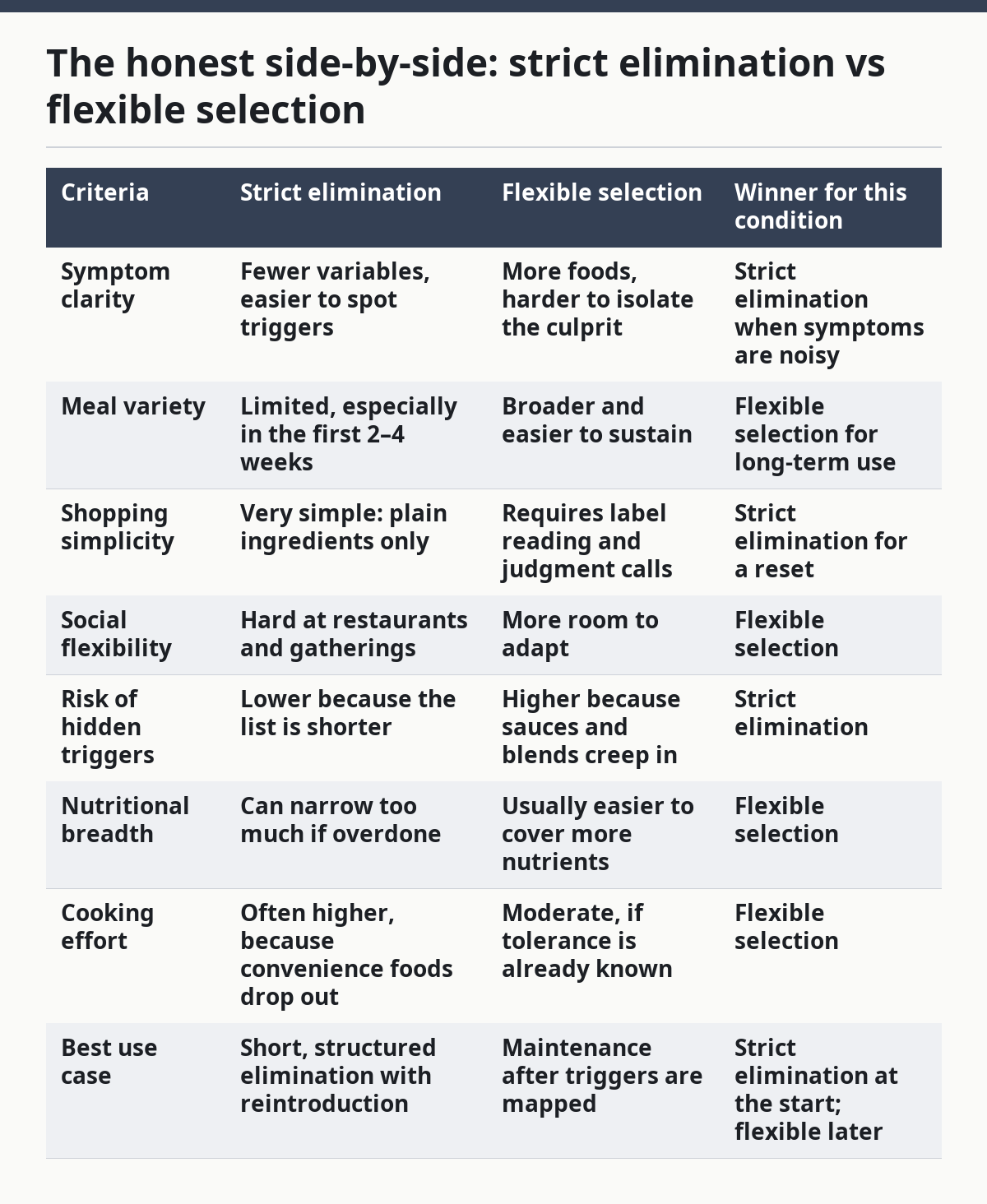
Strict elimination wins for the first pass because histamine issues are often foggy. People report headaches, flushing, GI upset, congestion, skin symptoms, or fatigue, and those can be caused by many things besides histamine. A short, plain ingredient list gives the cleanest signal. The drawback is real: it can become too restrictive if it lasts too long or removes entire food groups without a plan.
Flexible selection wins once the major triggers are known. At that point, the problem is no longer “What is causing everything?” but “How do I live normally without setting off symptoms?” Flexibility matters because long-term adherence is what keeps any diet useful. The downside is obvious: more freedom means more opportunities for a hidden trigger to slip in.
The wrong choice for most people is living in the middle indefinitely: too flexible to identify triggers, too restrictive to eat well.
When does the choice flip?
The verdict flips when symptoms are severe, nutrition is compromised, or the pattern is not histamine at all. In those cases, the safest-looking ingredient list can still be the wrong tool.
The first exception is when there is likely food allergy rather than histamine intolerance. An IgE-mediated allergy needs a different response than a histamine-reduction plan. If swelling, hives, breathing issues, or rapid reactions appear, medical evaluation matters more than ingredient strategy.
The second exception is when a person has already stripped the diet so far that calories, protein, or micronutrients are slipping. A perfectly “low histamine” menu that leaves someone underfed is not a win. At that point, reintroducing some tolerated foods is smarter than tightening further.
The third exception is when the suspected problem is actually another food chemical issue, such as FODMAP sensitivity, salicylate sensitivity, or a broader mast-cell picture. The wrong restriction can hide the real trigger and prolong symptoms. A dietitian or physician familiar with these patterns can help sort them out.
The fourth exception is when meal timing and storage are the true issue. If symptoms track with leftovers, long refrigeration, or irregular eating, the answer may be food handling rather than a broader list of banned ingredients.
A few concrete examples help:
- A person who tolerates fresh-cooked chicken but reacts to the same chicken as leftovers should focus on storage time and batch size.
- A person who reacts to vinegar-heavy dressings but not plain oil and salt may only need condiment changes, not a total overhaul.
- A person who reacts to many foods across categories should be screened for other medical causes, not just histamine patterns.
This is why ingredient selection should stay tied to symptoms, not ideology.
How do I reintroduce foods without undoing all the work?
I reintroduce foods one at a time, in a small portion, after a stable baseline has held for several days. The goal is not to prove the food is “bad.” The goal is to see whether that specific ingredient changes the pattern.
A good reintroduction sequence is plain and repetitive:
- Pick one food.
- Eat it alone or with a very familiar safe meal.
- Keep the portion modest.
- Wait and watch for symptoms over the next day or two, depending on the pattern.
- If it goes well, try it again before adding another new item.
This works because histamine responses can be inconsistent. A single good day does not clear a food forever, and a single bad day does not prove permanent intolerance. What matters is pattern.
The common mistake is reintroducing too many foods at once because “the diet feels safe now.” That usually turns the kitchen into a lab with no controls. Another mistake is testing a suspect food on a high-symptom day, then blaming it for everything. Timing matters.
The reintroduction phase is where the whole plan becomes useful. Without it, ingredient selection turns into indefinite restriction, which is both frustrating and nutritionally risky. A well-run reintroduction phase is the difference between a temporary protocol and a sustainable way of eating.
The verdict: what to choose and why
Choose strict elimination if symptoms are active, confusing, or widespread, and you need a clean baseline with the fewest possible variables. Choose flexible selection if you already know your main triggers and need a plan you can live with for months, not days. Neither if you have swelling, breathing symptoms, rapid hives, or significant weight loss without medical evaluation.
That is the plain answer. Histamine-friendly ingredient selection is best treated as a two-stage process: first reduce uncertainty, then rebuild variety. The safest food is not the one with the most claims on the package. It is the one with the fewest triggers, the shortest storage history, and the clearest label.
The reader who benefits most is the person who wants control without turning meals into a constant puzzle. The reader who should skip this entire framework and seek care is the person whose symptoms suggest allergy, another intolerance, or a broader medical problem that food lists alone cannot solve.
If the kitchen is controlled well, the rest of the plan gets easier fast.
Drafted with AI; not yet reviewed by a person.