Last updated: November 19, 2026
Quick Answer: A practical low histamine pantry works best with about 8 to 10 core staples, centered on rice, oats, olive oil, salt, herbs, and plain baking basics. Low histamine pantry staples are the shelf-stable foods that keep a low histamine kitchen usable on an ordinary Tuesday: rice, oats, olive oil, salt, herbs, quinoa, and a few plain baking basics. If a pantry is stocked well, dinner becomes assembly instead of a scavenger hunt, and that matters more than any clever recipe.
Key Takeaways
- A useful low histamine pantry is built from plain, dry, minimally processed foods that can stay useful for weeks or months.
- The easiest pantry foods to tolerate are often the simplest ones: white rice, plain oats, olive oil, salt, and single-ingredient dried herbs.
- Stock the pantry in a 2-week rhythm, beginning with 8 core staples and adding only what the week actually uses.
- Dry goods are the backbone of a low histamine pantry because they can make a meal from almost nothing.
What belongs in a low histamine pantry staples shelf
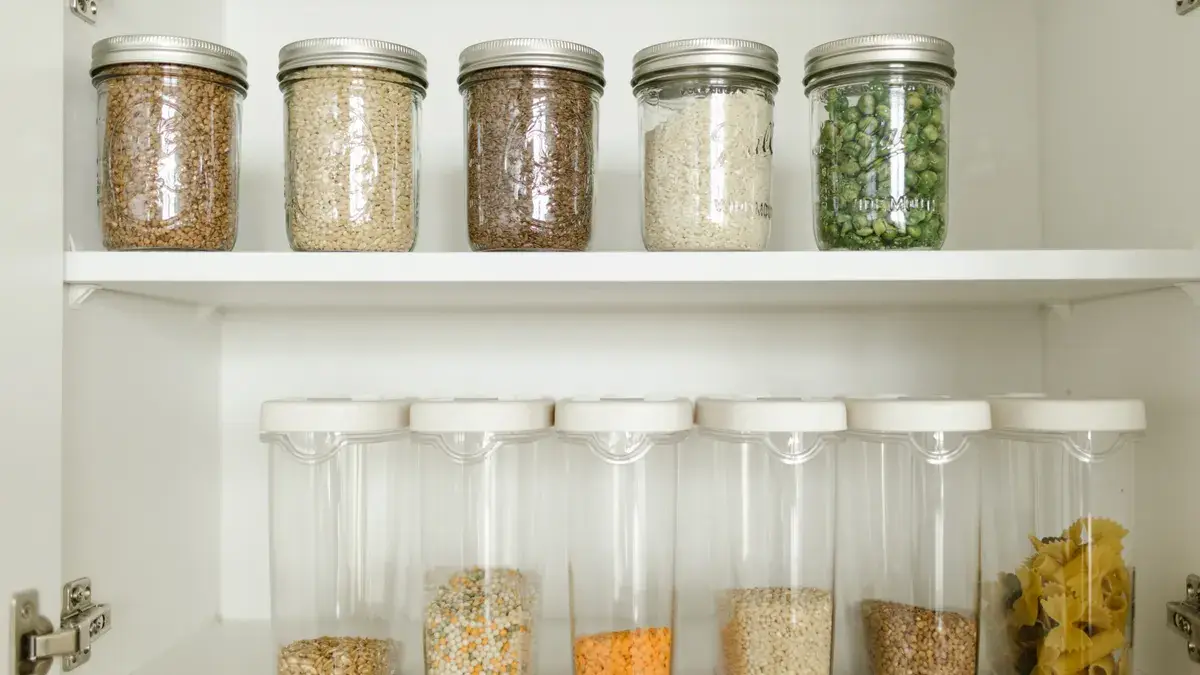
A useful low histamine pantry is built from plain, dry, minimally processed foods that can sit for weeks or months without becoming complicated. The core job is simple: keep 10 to 15 ingredients on hand that can become breakfast, lunch, or dinner without a special trip.
Start with grains and starches. White rice is the easiest anchor for many people because it is plain, filling, and simple to pair with vegetables or protein. Oats are another mainstay, but only if they are tolerated and bought in a plain form without flavored packets or add-ins. Quinoa earns a place because it cooks fast and gives variety when rice starts to feel repetitive. Dry pasta can fit too, as long as it is a plain wheat pasta with no tomato powder, spinach seasoning, or cheese flavoring.
Then build around fats and flavor. Olive oil is the workhorse oil for many low histamine kitchens. Salt is a pantry staple that should be used with care and, if you have medical conditions or dietary restrictions, discussed with a clinician or registered dietitian. Dried herbs such as basil, oregano, thyme, parsley, and rosemary can do a lot of the work that sauces usually do, as long as they are single-ingredient and unsalted. A small set of basic baking ingredients, such as flour, baking soda, baking powder, and sugar, can make the pantry more usable for simple cooking.
The best pantry staples vary from person to person. Histamine tolerance varies, and some people react to oats, others react to quinoa, and some do fine with all three. That is why this page focuses on pantry foundation, not a master food list. For the wider framework, the hub on low histamine food swaps and pantry staples can sit beside this guide.
Which pantry foods are easiest to tolerate?
The easiest pantry foods to tolerate are usually the simplest ones: white rice, plain oats, olive oil, salt, and single-ingredient dried herbs. They are easy to portion, easy to combine, and less likely to hide a trigger in the ingredient list.
Think in tiers. Tier 1 is the most stripped-down shelf: rice, oats, quinoa, olive oil, salt. Tier 2 adds plain flour, sugar, baking soda, baking powder, and a few herbs. Tier 3 includes extras that some people tolerate and others do not, such as dry pasta, unsweetened cereal, nut and seed flours, or shelf-stable milks. That tiered approach matters because a pantry that is too ambitious becomes expensive and full of food you never reach for.
The safest buying habit is usually to check the ingredient panel, not only the front of the box. A box labeled “herbed rice” can still contain garlic powder, onion powder, yeast extract, or spice blends. A jar of seasoning can look mild and still contain hidden tomato, citric acid, or chili. The fewer ingredients, the better the odds that the product stays boring enough to work.
A practical rule helps here: if the ingredient list is longer than 5 items, pause and read every line. That is not a hard medical standard, but it is a useful shopping filter. In a low histamine pantry, “plain” is a feature, not a compromise. For broader label-reading guidance, the FDA’s food-label resources and the Academy of Nutrition and Dietetics can help.
How to stock the pantry without overbuying
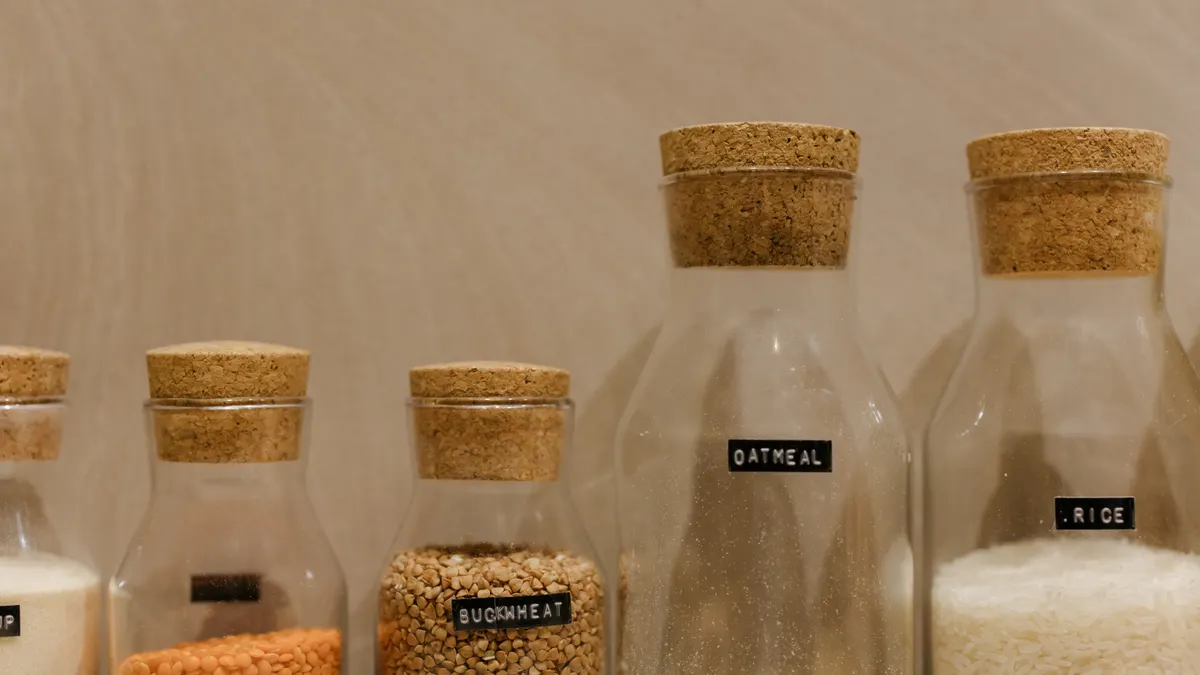
Stock the pantry in a 2-week rhythm, beginning with 8 core staples and adding only what the week actually uses. The goal is not to create a showroom; it is to make cooking possible without filling a cupboard with dead stock.
- Choose 3 grains or starches first. Buy 1 bag of rice, 1 container of oats, and 1 extra grain such as quinoa or dry pasta. That gives you breakfast and dinner coverage without overcommitting to a food you may not tolerate.
- Add 1 neutral oil. A single bottle of olive oil covers sautéing, roasting, and simple dressings. If the bottle is 500 ml or 1 liter, it usually fits a normal cooking rhythm without going stale on the shelf.
- Stock salt and 3 herbs. Salt, basil, and thyme can carry a lot of meals. Add oregano or parsley if you use them often. Keep herbs in small jars, because a 30 g jar is enough for many kitchens and is less likely to lose aroma before you finish it.
- Fill in baking basics. Plain flour, sugar, baking soda, and baking powder let you make pancakes, biscuits, muffins, and simple sauces. Check baking powder labels closely; some blends are cleaner than others.
- Leave space for tolerated extras. If you know you do well with one or two extras, add them after the core shelf is stable. Examples might be unsweetened coconut milk, plain crackers, or a simple seed flour.
- Rotate by opening date. Use the oldest grain first and keep newer bags behind it. A pen mark on the package is enough. This avoids the common mistake of discovering three half-used bags of quinoa at once.
This method costs less in waste because it narrows the shelf to what you actually cook. It also keeps the pantry readable, which matters on days when symptoms are already making decisions harder.
The dry goods that make everyday meals possible
Dry goods are the backbone of a low histamine pantry because they make a meal from almost nothing. A bag of rice, a tin of salt, and a jar of herbs can become dinner in 20 minutes, while a well-chosen flour can turn pantry food into breakfast or a backup lunch.
Rice deserves the first slot. White rice is the most flexible because it has a mild flavor, cooks evenly, and pairs with nearly any tolerated vegetable or protein. Brown rice can work too, but it takes longer and has a stronger taste. If a person is sensitive to texture or needs very plain food, white rice is usually the steadier choice.
Oats are the other big dry good. Plain rolled oats can make porridge, baked oatmeal, or quick cookies if tolerated. Steel-cut oats take longer, often around 20 to 30 minutes, so they are less convenient on busy mornings. Instant flavored oats are the version to skip because they commonly add sugar, fruit powders, and flavor systems that complicate the pantry.
Quinoa gives the shelf some variety. It cooks in about 15 minutes and brings a slightly nutty profile that can keep the pantry from becoming rice-only. Rinse it before cooking to remove bitterness. That small step changes the result more than people expect.
Basic flour matters too, but only if it is truly basic. Plain wheat flour, rice flour, or another tolerated flour can support muffins, pancakes, thickened sauces, and simple flatbreads. The useful question is not “Is this gluten-free?” It is “What else is in it?” A flour blend with gums, sweeteners, or extracts may be fine for some people and useless for others.
One trade-off is obvious: dry goods are boring. That is also why they work. Boring shelves are often the ones that hold up under symptom flares.
Oils, seasonings, and the small items that change flavor
The right oils and seasonings keep a low histamine pantry from tasting flat without adding complexity. Olive oil, salt, and 3 to 5 dried herbs can cover most basic cooking jobs with very little risk of ingredient creep.
Olive oil is the standard starting point because it is neutral enough for daily use and useful in both low heat and finishing applications. If a recipe needs more heat tolerance, some people also keep a plain oil they know they tolerate, but the label has to stay short. A single-ingredient oil is the target, not a flavored blend.
Salt should be treated as a pantry staple, not a background detail, but if you have medical conditions or dietary restrictions, discuss it with a clinician or registered dietitian. Fine salt dissolves quickly in soups and batters. Flaky salt gives a better finish on roasted vegetables or rice. If you want only one, buy the form you reach for most often and keep it in a shaker or small bowl for convenience.
Herbs do the most flavor work. Basil, thyme, oregano, parsley, rosemary, and dill are the names that appear most often in plain pantry cooking. The trick is to buy them one at a time or in tiny sets. Mixed Italian seasoning can be useful, but only if you read it carefully and know it contains nothing your body objects to. Some blends include garlic, chili, or citric acid. That is not a problem for everyone, but it is a common reason a “safe” seasoning fails.
A low histamine kitchen also benefits from restraint. The pantry does not need 12 condiments. It needs a few dependable flavors that do not force a symptom guessing game. If you want a rule of thumb, keep 1 oil, 1 salt, and 3 herbs before you add anything fancier.
For seasoning labels and ingredient standards, the American Spice Trade Association and plain ingredient guidance from registered dietitians can be helpful reference points when reading packaged spices and blends.
Basic baking ingredients worth keeping
Basic baking ingredients matter because they turn the pantry into a source of fallback meals, not just side dishes. Flour, sugar, baking soda, baking powder, and a simple starch can cover breakfast, snack food, and quick dinner substitutes in one shelf.
Flour is the foundation. A plain wheat flour works for many people and is easy to find. Rice flour can be useful for a lighter texture or for a gluten-free option. If you keep only one flour, choose the one that appears in your simplest recipes. A 1-kilogram or 2-pound bag is usually enough to stay useful without lingering too long.
Sugar is not a health hero, but it is a practical pantry item. It helps with plain muffins, quick breads, and simple breakfast bakes. Brown sugar can be fine if tolerated, though it clumps more and can be less convenient than white sugar.
Baking soda and baking powder are not interchangeable. Baking soda needs an acid to work well, while baking powder already contains a leavening system. If a pantry only has one, baking powder is usually the easier all-purpose option for casual baking. Keep an eye on the label because some versions include aluminum compounds or extra starches, and that may matter to some readers.
Starch is worth mentioning because it saves sauces and soups. Cornstarch or arrowroot can thicken a broth into something that feels like a meal. That can be especially useful when a person needs food that is bland, fast, and gentle.
The drawback is that baking ingredients take planning. A pantry full of flour and leaveners only helps if there is a recipe in mind. That said, even one simple muffin or flatbread recipe can make the shelf more valuable than three specialty sauces that never get opened. For ingredient details, the USDA FoodData Central and FDA labeling pages are useful references.
What to skip when building a low histamine pantry
Skip multi-ingredient shortcuts, because they create the most hidden problems for the least convenience. Seasoning packets, jarred sauces, flavored rice mixes, instant soups, and “everything” blends are the main pantry traps.
The reason is simple: these foods often hide garlic, onion, tomato, vinegar, yeast extract, citric acid, or spice blends in small print. Any one of those may be fine for a given person, but a pantry built around mystery ingredients becomes impossible to troubleshoot. If a meal causes symptoms, you need to know what was in it.
Skip the idea that a pantry has to be large. A shelf with 12 reliable items is more useful than a cupboard stuffed with 40 “maybe” items. That smaller shelf also makes shopping easier. A person can restock rice, oats, olive oil, salt, herbs, quinoa, flour, and baking basics in under 20 minutes once the list is familiar.
This is also the place to be honest about who a low histamine pantry is not for. Someone who wants bold sauces, fermented condiments, or pantry convenience above all else may find this way of eating frustrating. It rewards plain cooking, label reading, and repetition. That is the trade-off.
If symptoms are severe, a low histamine diet should be discussed with a clinician or registered dietitian, especially if food restriction is starting to shrink the diet too much. A pantry can support the plan, but it should not become a reason to under-eat or self-diagnose around a bigger issue. For diet-related safety and restriction guidance, the Academy of Nutrition and Dietetics is a credible starting point.
A simple shelf plan you can copy this week
A working low histamine pantry can be built from 10 items and one rule: buy only what helps you cook twice. The rule keeps the shelf from filling with specialty products that look useful but never get opened.
A practical starter shelf looks like this: white rice, oats, quinoa, olive oil, salt, basil, thyme, flour, baking powder, and sugar. If you tolerate a few extras, add one more herb and one starch like cornstarch or arrowroot. That list is not glamorous, but it covers breakfast, lunch, dinner, and basic baking with very little guesswork.
The first week, cook from the pantry on purpose. Make rice with olive oil and herbs. Make oats with whatever tolerated add-ins you know are safe. Make a simple baked item with flour and baking powder if that fits your diet. The point is to prove which staples actually earn shelf space.
A pantry is successful when it shortens the gap between hunger and food. If a 5-minute meal becomes possible without a fresh grocery run, the shelf is doing its job. That is the whole point of pantry staples, and it is why the page belongs in a larger low histamine food swaps and pantry staples system.
What should be in a low histamine pantry?
A low histamine pantry should start with plain rice, oats, quinoa, olive oil, salt, and a few single-ingredient herbs. Basic baking items like flour, sugar, baking soda, and baking powder make the shelf more useful. The best pantry is usually small, plain, and easy to read, with limited reliance on sauces or seasoning blends.
Which pantry foods are easiest to tolerate?
The easiest pantry foods to tolerate are usually the plainest ones: white rice, plain oats, olive oil, salt, and simple dried herbs. Those foods have short ingredient lists and fewer hidden additives.
Drafted with AI; not yet reviewed by a person.