Last updated: November 19, 2026
Quick answer: 3 of the most practical methods are steaming, boiling, and quick roasting, because they can get food from raw to plated in about 10 to 45 minutes. Boiling, steaming, roasting, braising, sautéing, grilling, and slow cooking can all work for low histamine meals, but the most practical choices are the ones that finish food quickly and let you serve it right away. The main goal is not fancy technique; it is minimizing the time food sits warm, cools slowly, or waits for leftovers.
Low histamine cooking is less about one magic method and more about timing, texture, and storage. A method that makes dinner easy tonight can still be a bad fit if it leaves you with a pan of food that will sit in the fridge for days, and that is why this guide focuses on the Best Cooking Methods for Low Histamine Meals in everyday use.
What makes a cooking method low histamine friendly?
Low histamine cooking favors methods that move from raw to plated in a short, controlled stretch of time. That usually means 10 to 45 minutes at the stove or in the oven, with serving as soon as the food reaches its target doneness.
The reason is practical: histamine is affected by time, temperature, and handling, not by one single cooking style. A fast pan cook can be easier to manage than a slow dish that stays in a warm appliance for hours, even when both produce a meal that looks simple on paper. That is why “best” often means “most predictable on a weeknight.”
Two habits matter more than the gadget:
- Cook smaller portions so the food finishes in one round.
- Plate and serve immediately instead of holding the meal in a warm spot.
That makes methods like steaming, boiling, and quick roasting especially useful. They are direct, require little staging, and keep the window between raw ingredients and eating relatively short. A braise can still fit the pattern if it is cooked, served, and portioned without sitting on the stove for an hour after it is done.
One plain limitation: a cooking method cannot rescue food that was already compromised by long storage. If a protein has sat in the fridge too long, or a batch of leftovers keeps getting reheated, the method on the day of cooking matters less than the time it spent waiting.
Which cooking methods are usually the safest bets?
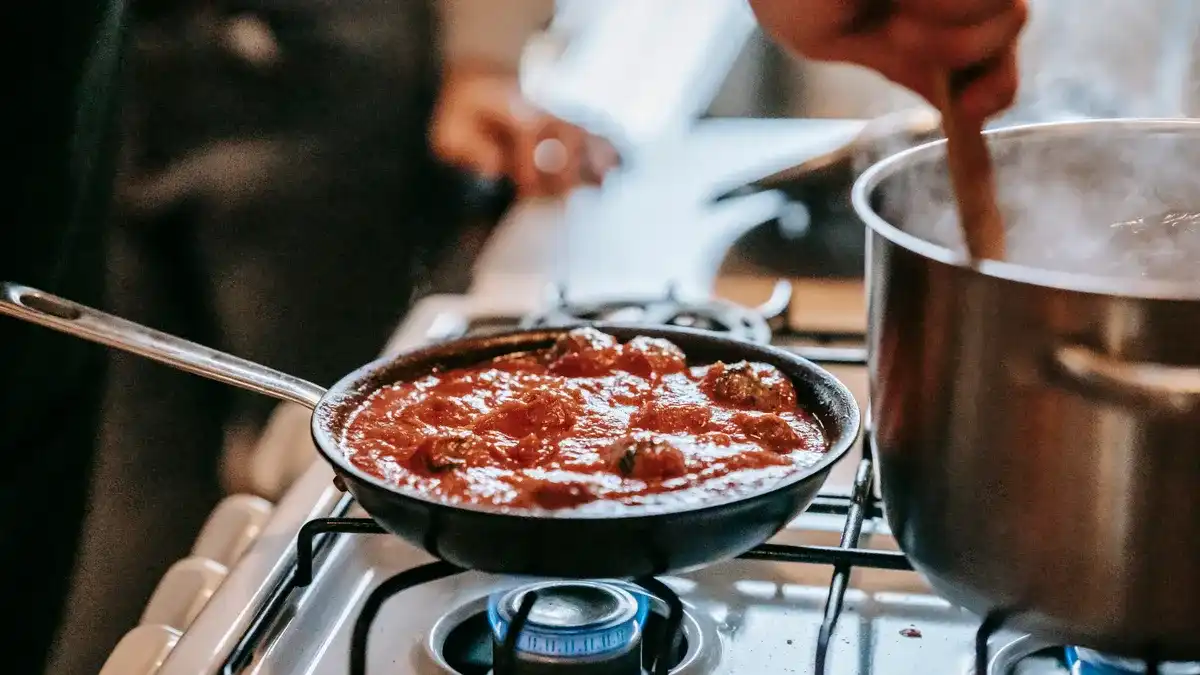
Steaming is usually the easiest low histamine starting point because it is fast, gentle, and hard to overcomplicate. Boiling comes next for the same reason: it is simple, clear, and easy to finish in 10 to 20 minutes for many vegetables and some grains. Roasting also works well when the food can cook in a single layer and go straight from oven to plate.
Those three methods are the most practical for sensitive eaters because they reduce decision-making. A pot, a steamer basket, and a sheet pan can cover a large share of meals without forcing long simmering or complicated layering. For many people, that simplicity matters as much as the cooking chemistry.
Here is the trade-off:
- Steaming keeps texture light, but it can make meals feel plain unless seasoning is added after cooking.
- Boiling is forgiving, but it can dilute flavor and turn vegetables soft if timing runs long by even a few minutes.
- Roasting builds better texture, but it needs more attention and can dry out lean foods if left in the oven too long.
These methods are not wrong for everyone, and they are not the only choices. They are simply the easiest to keep short, clean, and repeatable. For a reader trying to reduce friction, that matters more than a technique that sounds elegant but takes 90 minutes and a dozen moving parts.
For a broader setup, the hub on low histamine cooking methods and kitchen setup fits naturally with this page, because the real win is choosing methods that work with your storage, pans, and schedule, not against them.
How to use boiling without turning dinner into a long wait
Boiling is one of the most practical low histamine cooking methods because it is visible, quick, and easy to stop on time. It works best for foods that do not need browning, especially vegetables, potatoes, rice, and eggs, where the finish line is clear.
A useful boiling routine looks like this:
- Fill a pot with enough water to cover the food by 1 to 2 inches, then bring it to a full boil.
- Add the food in a single layer if possible, so the temperature does not crash for long.
- Cook on a steady boil or strong simmer for the shortest time that gives the right texture, often 5 to 20 minutes depending on the ingredient.
- Drain promptly and plate at once, instead of leaving the food in the hot water.
- If the dish needs fat or seasoning, add it after draining so the meal finishes cleanly.
The strength of boiling is control. You can see when vegetables go from raw to done, and you can pull them early. The downside is texture: one extra minute can turn crisp vegetables limp, and overboiled food often tastes flat. It is also a poor choice for cuts that need browning for flavor, because boiling gives softness, not color.
Boiling is a bad fit if you want a roasted or seared flavor profile, or if you dislike food that tastes more restrained. It is also not the best method for large batches meant to sit around. A pot can seem convenient, but if the food remains in the water or on the stove after cooking, it stops being low friction and starts becoming a waiting game.
Why steaming is often the easiest everyday method
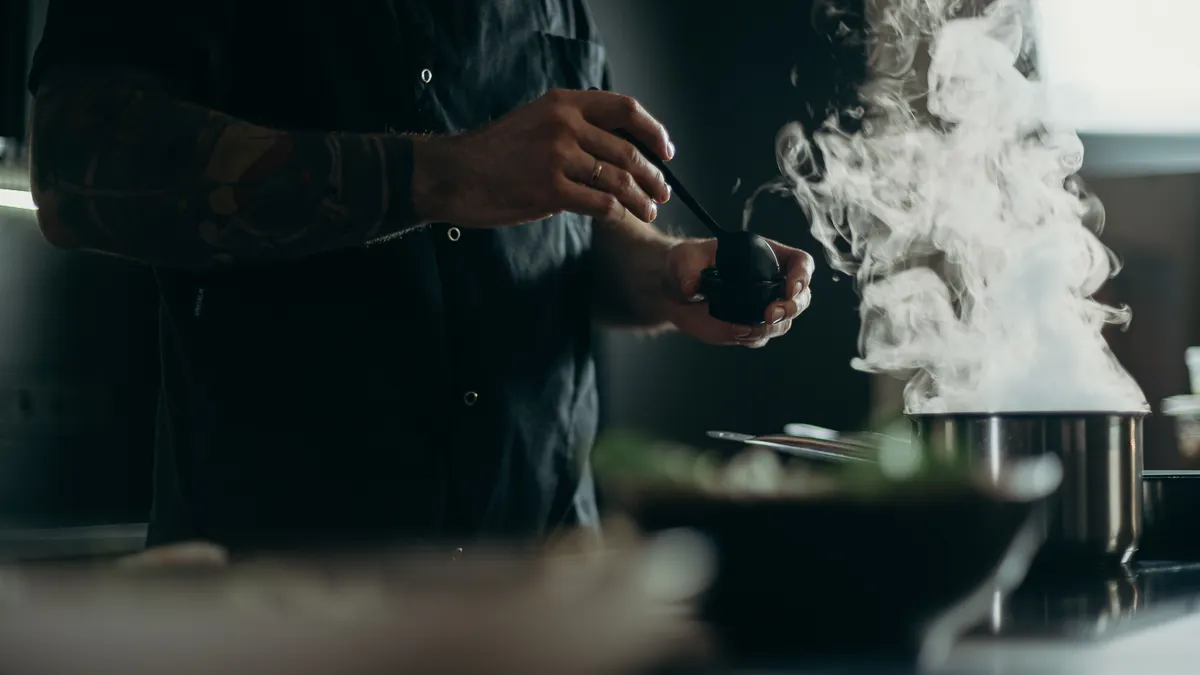
Steaming is often the best balance of speed, texture, and simplicity for low histamine meals. It cooks food gently in 5 to 15 minutes for many vegetables and keeps the ingredient recognizable instead of waterlogged.
The main advantage is that steaming gives you a narrow margin for error without much cleanup. A steamer basket, saucepan, or electric steamer can handle carrots, green beans, squash, and fish in a controlled way. Because the food never sits in water, it keeps more texture than boiling and usually needs less attention than roasting.
Steaming does have a drawback: it can make meals feel too plain if the cook expects the method to carry the flavor. It does not create a crust, and it does not build the browned notes some people want in a full meal. If you rely on sauces, those need to be fresh and well chosen for your own tolerance.
This method is not ideal for:
- Large batches that will be portioned over several days.
- Foods that need a crisp exterior.
- Anyone who wants a deeply browned, savory finish.
A sensible use case is a one-pan dinner where the protein and vegetables are plated immediately after cooking. That keeps the whole meal inside a short time window and avoids warm holding. For a person who wants the least drama, steaming is one of the few methods that can become routine after a single try.
Roasting and sautéing: flavor tools when you need them fast
Roasting and sautéing are the two methods that make low histamine meals taste more complete without forcing a long cook. Roasting usually works well in the 400°F range for vegetables and some proteins, while sautéing handles thin cuts and small pieces in a skillet over medium to medium-high heat.
Roasting is the better choice when you want hands-off cooking with better browning. A sheet pan meal can finish in 15 to 35 minutes, depending on what is on it, and the heat does a lot of the work for you. The drawback is timing: if the pan is crowded, food steams instead of browns, and if it stays in the oven too long, lean proteins dry out quickly. Roasting is not for someone who wants zero monitoring.
Sautéing is the faster, more immediate option. It is useful when you want dinner done in 8 to 15 minutes and you can stay by the stove. The trade-off is that sautéing asks for attention; a distracted cook can burn garlic, overcook delicate food, or create uneven results in one small pan. It is also not the best method for large family portions unless you cook in batches.
If the reader needs to choose between the two, roasting suits the person who wants less active work, and sautéing suits the person who wants dinner in a very short window. Both are better when food goes straight from pan to plate.
When does grilling make sense for low histamine meals?
Grilling makes sense when you want fast browning and can keep the process simple, but it is not the easiest everyday choice. It works best for foods that cook quickly and evenly on a clean grate, and it usually fits a 5- to 20-minute window once the heat is ready.
The strength of grilling is flavor. It gives you a direct, high-heat finish that can make a plain piece of food feel more like a meal. That can be helpful when a restricted diet starts to feel repetitive. The drawback is that grilling is less forgiving than steaming or boiling. A few minutes too long can dry out a lean protein, and flare-ups can add bitter notes or uneven cooking.
Grilling is a poor choice for someone who does not want to stand outside or monitor heat carefully. It is also not ideal if your setup makes it hard to clean the grate well, since stuck-on residue complicates the next cook. For low histamine meals, a clean, predictable grilling session is better than an elaborate one.
Use grilling when you need:
- A quick finish.
- Strong browning.
- A single meal served immediately.
Skip grilling when you need a low-effort weeknight method or when weather and cleanup make the process slow. In that case, a sheet pan or skillet will usually be easier to manage.
Is slow cooking good for histamine intolerance?
Slow cooking can be useful, but it is the riskiest of the common methods for low histamine meals because it extends cook time and can keep food warm for hours. That makes it a poor default choice for sensitive eaters who need the shortest practical path from raw ingredients to plate.
The appeal is obvious: slow cookers are convenient, and a machine running for 4 to 8 hours can free up the day. The problem is that convenience can clash with histamine management if the meal sits too long after it is done or if the appliance holds food warm for an extended period. The method itself is not the whole issue; the long time and warm holding are.
A slow cooker may fit better when:
- You start the food and serve it right away at the end of the cycle.
- You keep the batch modest, not oversized.
- You do not leave the finished food in “keep warm” mode.
It is not the right tool for someone who wants the most conservative low histamine setup. It is also a poor match for people who rely heavily on leftovers, because the meal can become a storage problem as soon as the lid comes off. If a dish must be slow cooked, the safest approach is to treat it as a one-meal event, not a batch-cooking base.
For a reader choosing between ease and caution, slow cooking lands on the convenience side, not the safest side. That is the honest answer.
The method matters less than cook-and-serve timing
Cook-and-serve timing is the part most generic articles leave out, and it is the piece that changes the result most. A low histamine meal is usually better when it is cooked, plated, and eaten in one stretch than when it is cooked perfectly and then left waiting for 30 minutes.
That means the best method is the one that matches your actual routine:
- If you need speed, sautéing and steaming are easiest.
- If you want gentler handling, boiling and steaming are the cleanest choices.
- If you want more flavor without a long process, roasting and grilling work well.
- If you want a long unattended cook, slow cooking is convenient but less conservative.
The practical rule is simple: choose the method that lets you finish the meal closest to serving time. A dish that waits on a counter, sits in a warm appliance, or gets repeatedly reheated is no longer benefiting from the same method that looked so good in the recipe.
That is why low histamine cooking is partly about logistics. A 12-minute steam session can be better than a 6-hour slow cook if the first one gets eaten immediately and the second one lingers. The best method is the one that fits your day, your appetite, and your tolerance for leftovers.
Key Takeaways
- Fast, direct methods are usually the safest place to start.
- Steaming and boiling are the easiest to control when you want short cook times.
- Roasting and sautéing add more flavor, but they ask for closer attention.
- Grilling can work well, yet it is less forgiving and easier to overdo.
- Slow cooking is convenient, but it is the least conservative choice for sensitive eaters.
- The biggest win comes from serving the food right after it finishes, not from chasing a perfect technique.
Which cooking method is best for low histamine meals?
Steaming is usually the best all-around choice because it is quick, gentle, and easy to time. Boiling is close behind for the same reason, especially for vegetables and starches that are meant to be simple.
The better answer, though, is the method you can finish and serve right away. A fast, predictable cook often beats a “better” method that leaves food waiting.
Does cooking method affect histamine levels?
Cooking method can affect the final result, but time and handling matter just as much as the heat source. A method that keeps food moving from raw to plated quickly is generally easier to manage than one that stretches out over hours.
That is why a short steam or boil often fits low histamine meals better than a long, warm hold. If symptoms are a concern, a clinician or dietitian familiar with histamine intolerance can help interpret your pattern.
Is slow cooking good for histamine intolerance?
Slow cooking is convenient, but it is usually not the most cautious choice for histamine intolerance. The long cook time and the chance of warm holding make it less conservative than steaming, boiling, or quick roasting.
It can still work for some people if the food is served immediately and not kept warm. If symptoms are unpredictable, it is worth treating slow cooking as an occasional convenience, not the default method.
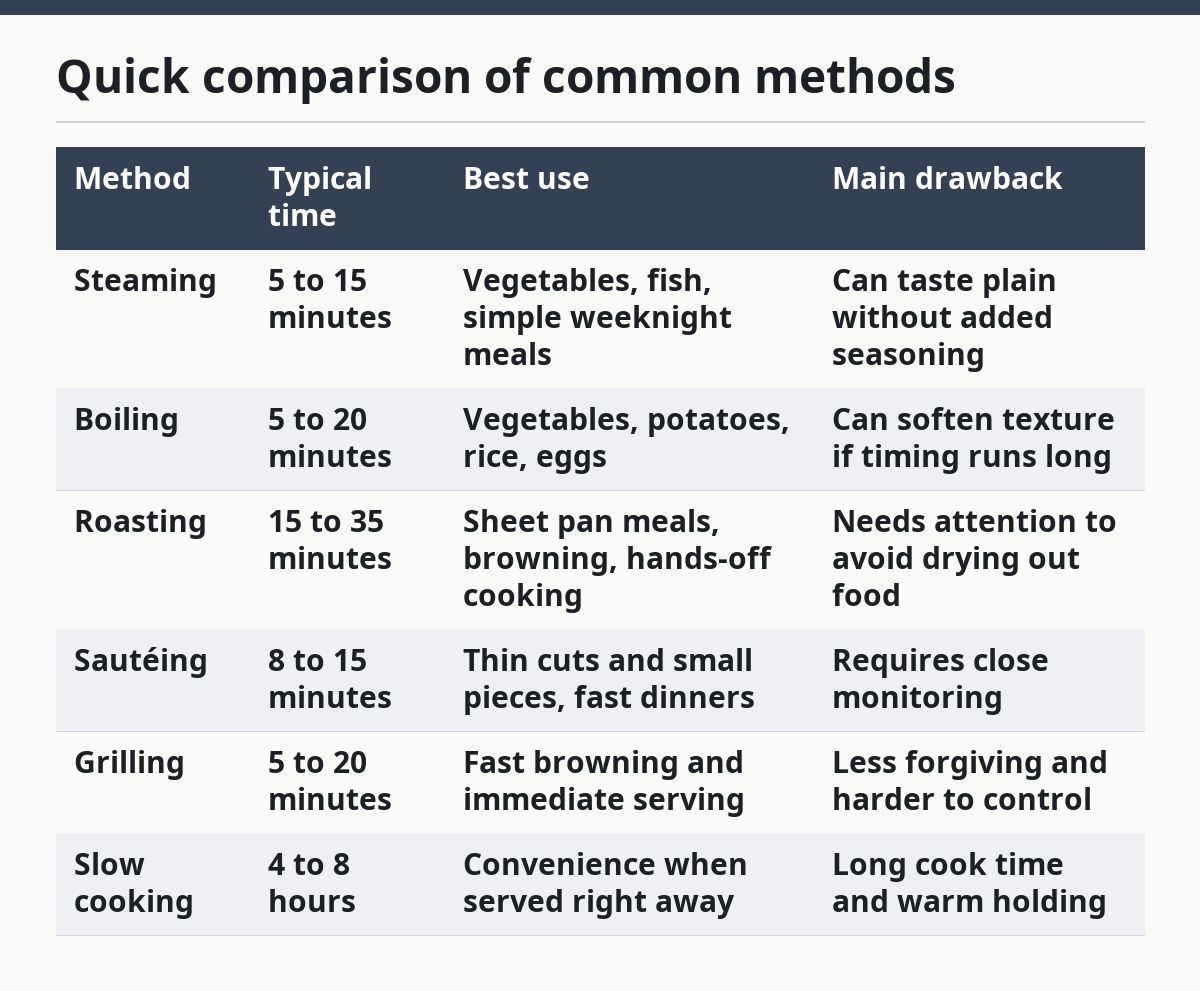
Quick comparison of common methods
| Method | Typical time | Best use | Main drawback |
|---|---|---|---|
| Steaming | 5 to 15 minutes | Vegetables, fish, simple weeknight meals | Can taste plain without added seasoning |
| Boiling | 5 to 20 minutes | Vegetables, potatoes, rice, eggs | Can soften texture if timing runs long |
| Roasting | 15 to 35 minutes | Sheet pan meals, browning, hands-off cooking | Needs attention to avoid drying out food |
| Sautéing | 8 to 15 minutes | Thin cuts and small pieces, fast dinners | Requires close monitoring |
| Grilling | 5 to 20 minutes | Fast browning and immediate serving | Less forgiving and harder to control |
| Slow cooking | 4 to 8 hours | Convenience when served right away | Long cook time and warm holding |
Practical notes on food safety and storage
Food safety guidance from the USDA emphasizes getting cooked food into the refrigerator within 2 hours, or within 1 hour if the room is above 90°F. That matters here because low histamine cooking works best when food is cooled and stored quickly instead of lingering on the counter. For leftovers, the FDA also notes that cooked food should be refrigerated promptly and reheated thoroughly, which makes a fast, organized kitchen routine especially useful.
Those storage rules connect directly to method choice. A fast steam, boil, or roast is easier to pair with prompt cooling than a long slow cook that leaves a pot simmering late into the day. For many people, that timing difference is as important as the recipe itself.
If you want a simple way to reduce friction, keep the process narrow: cook, serve, cool, and store without long pauses. That approach supports the method you chose and helps the meal stay manageable afterward.
Authoritative references
- USDA Food Safety and Inspection Service: https://www.fsis.usda.gov/food-safety/safe-food-handling-and-preparation/food-safety-basics/leftovers-and-food-safety
- FDA Food Code: https://www.fda.gov/food/fda-food-code/food-code-2022
Drafted with AI; not yet reviewed by a person.