Last updated: November 19, 2026
Quick Answer: A practical histamine-friendly kitchen system usually works best when it uses small batches, shallow containers, and 1 freezer zone to limit food age and uncertainty. In this guide to Histamine-Friendly Kitchen Systems — The Complete Guide, the goal is to keep food handling simple, fast, and consistent.
A histamine-friendly kitchen system is not a special diet gadget; it is a set of storage, shopping, cooking, and cleanup rules that keeps high-histamine food from building up in the first place. If meals seem to trigger flushing, headache, itching, hives, congestion, or stomach upset, the kitchen is often the easiest place to cut down accidental exposure. For readers using Histamine-Friendly Kitchen Systems — The Complete Guide as a practical framework, the focus is freshness control, not perfection.
I write about food safety, kitchen workflow, and ingredient systems with the same lens I use for allergy-adjacent and medically restrictive eating: what keeps risk down, what creates extra work, and what a person can realistically keep doing on a Tuesday night.
Key takeaways
- The biggest histamine win usually comes from time and temperature, not from buying exotic ingredients.
- A good system treats leftovers as a controlled process, not as random fridge food; if symptoms are severe, a clinician or registered dietitian can help tailor the plan.
- The safest kitchen setup is often the one that makes fast cooling, clear labeling, and low-risk meals automatic.
- “Histamine-friendly” does not mean identical for every person; tolerance varies and can shift with stress, sleep, cycle changes, and illness.
- The best system for many people is plain, low-ingredient, batch-managed cooking with tight fridge discipline.
- Freezing early is usually more useful than trying to stretch cooked food for several days.
- If symptoms are severe, complex, or tied to weight loss or restricted intake, a registered dietitian or clinician should be part of the plan.
What a histamine-friendly kitchen system actually is
A histamine-friendly kitchen system is the routine that keeps food as fresh, simple, and short-lived as possible. That matters because histamine tends to rise in foods as proteins age, ferment, cure, sit warm, or are repeatedly reheated, according to food chemistry and food-safety guidance; if symptoms are a concern, a clinician or dietitian can help interpret triggers. The usual mistake is thinking the answer is one more “safe” recipe. It is not. The real answer is building a kitchen where the default path is low-risk food handled quickly.
That system has four parts: shopping rules, storage rules, cooking rules, and cleanup rules. Most generic advice covers only the ingredient list. That leaves out the part that causes the most trouble in real life: a safe ingredient can become a poor choice if it sits in the fridge for three days, lives in a warm lunch bag, or gets reheated twice. The U.S. Food and Drug Administration’s Food Code framework, and general food-safety guidance from agencies such as the USDA, both emphasize time-temperature control because that is where food risk grows fastest.
For a histamine-sensitive household, the kitchen needs to make “use it quickly or freeze it” the default. It also needs a short list of meals that do not rely on aged cheese, vinegar, citrus, tomatoes, cured meats, kombucha, soy sauce, or long-fermented condiments, though individual tolerance varies and a clinician or dietitian can help if symptoms are significant. Those foods are common troublemakers. A person with suspected histamine intolerance should work with a clinician or dietitian if symptoms are severe, persistent, or tied to broader gastrointestinal issues.
The system wins when it reduces decision fatigue. It fails when it depends on memory. A label, a freezer drawer, and a handful of repeatable meals do more than a pantry full of special products.
The real difference between “low histamine food” and a low-histamine kitchen
A low-histamine food list helps; a low-histamine kitchen changes what happens after the food leaves the store. That distinction is the entire game.
The food list answers, “Can I eat this ingredient today?” The kitchen system answers, “Will this ingredient still be a good idea after storage, prep, and reheating?” A person can buy chicken, rice, pears, and zucchini and still end up with a lousy result if the chicken sits thawed too long, the rice cools slowly, or the leftovers ride around for four days. Histamine issues often show up in the gap between purchase and plate.
The kitchen system should solve three problems at once:
- Reduce age: many foods become less suitable the longer they sit.
- Reduce complexity: fewer ingredients means fewer hidden triggers.
- Reduce uncertainty: when something was cooked, chilled, and frozen should be obvious at a glance.
A generic article often says “avoid leftovers,” but that is too blunt to be useful. Most people cannot cook every meal from scratch forever. The better rule is to make leftovers a controlled exception. That means cooling cooked food promptly, portioning it into single-meal containers, and freezing the portions you will not eat soon. The freezer is the histamine-sensitive cook’s best preservation tool because it pauses the problem instead of stretching it.
This is also where people get tripped up by meal prep culture. A standard batch-cooking setup is built around three to five days of fridge meals. For histamine-sensitive eaters, that window may be too long for some cooked proteins and mixed dishes. A safer workflow is smaller batches, faster turnover, and more frozen single portions. The trade-off is obvious: more packaging, more labeling, and more decision points. The reward is fewer mystery meals that have been sitting too long.
If a kitchen system does not include a freezer strategy, it is incomplete.
Which histamine-friendly kitchen systems win for most people?
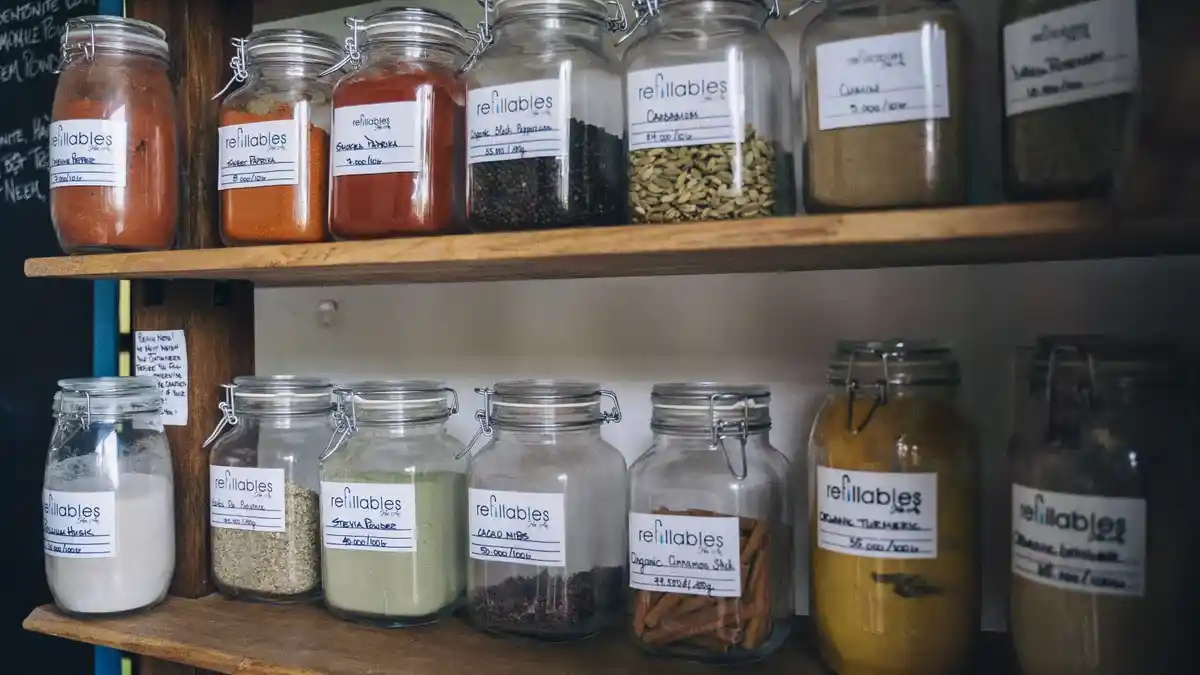
The best setup for many people is a plain-food, fast-freeze kitchen with a small active fridge zone and a labeled freezer system, especially when the goal is to keep storage time short and predictable. It wins because it is boring in the right way: less inventory, fewer sauces, shorter storage time, and fewer chances to forget what is safe.
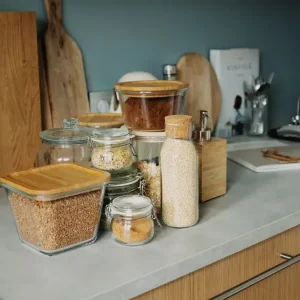
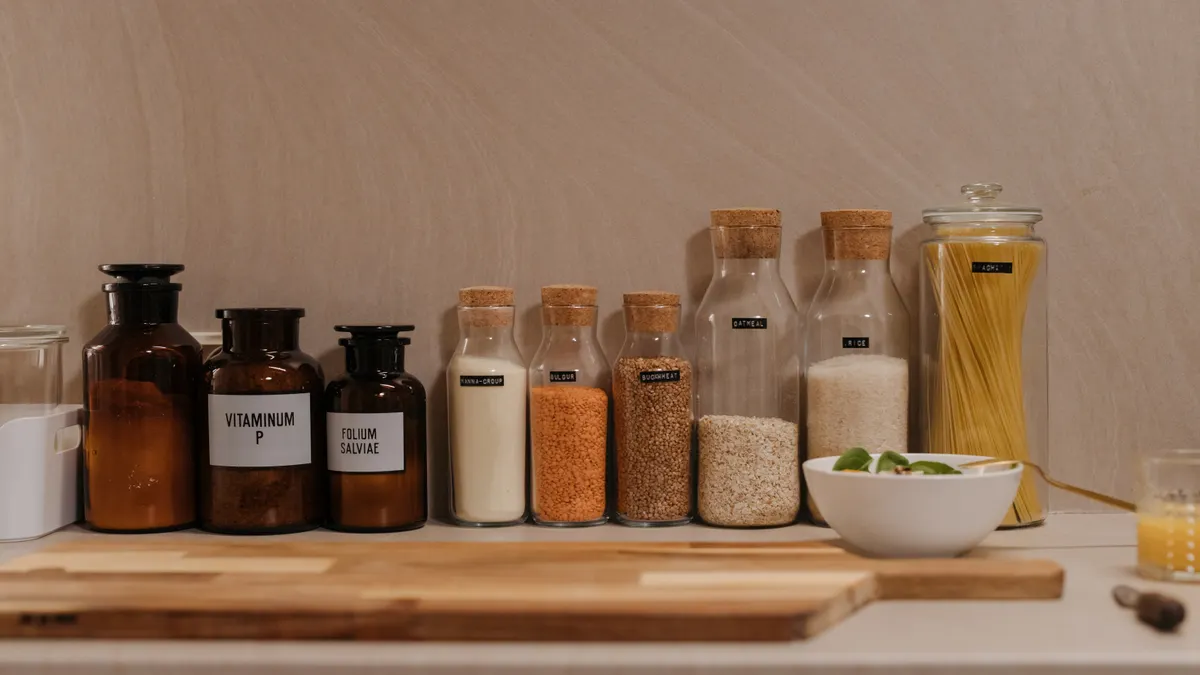
The basics are straightforward. Keep a dedicated shelf or bin for foods that need fast use. Use transparent containers when possible so leftovers do not disappear into opaque stacks. Put a date on everything that goes into the fridge or freezer. Keep a marker and tape in the same drawer every time. Store foods in shallow containers so they cool faster. And keep a small menu of repeat meals that rely on non-fermented, low-acid ingredients.
This setup is especially good for people who cook for one or two adults, people with a small apartment fridge, and anyone who gets overwhelmed by too many meal options. A 2023-built kitchen does not need to be fancy to work; it needs to be legible. One freezer drawer, one “use first” shelf, and one clear container system are often enough.
Its main weakness is boredom. The same rotation can feel limited after a few weeks, and that can backfire if the person starts taking risks for variety. Another drawback is space. A tiny freezer leaves less room for backup meals, so the household may need more frequent shopping trips. That is annoying, but it is usually safer than trying to stretch cooked food for five days.
This option is wrong for anyone who wants a highly varied, sauce-heavy, restaurant-style home pantry. It is also a poor fit for a family kitchen where other members use fermented condiments and pre-prepped leftovers without labels. In that setting, the system breaks unless everyone follows it.
The ingredients and tools that matter most
The most useful tools are not “histamine-specific” products; they are plain kitchen items that make freshness visible and cooling faster. A shallow glass or BPA-free food container, a freezer-safe label, a digital fridge thermometer, and a dedicated bin for soon-to-use food do more than specialty products with fancy branding.
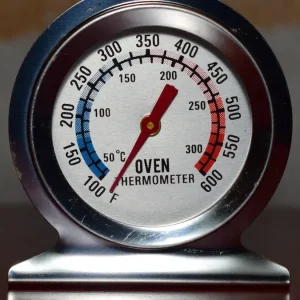
A digital refrigerator thermometer is one of the smartest purchases in this category. Many fridges drift outside the recommended cold range without anyone noticing. USDA guidance commonly places refrigerator storage at or below 40°F (4°C). If the fridge runs warmer than that, food ages faster and safety margins shrink. That does not diagnose histamine issues, but it removes one avoidable problem.
A second useful item is a stack of single-portion freezer containers. The point is not glamour; it is portion control. A family-size container makes it too easy to thaw more than needed and refreeze or rehold the remainder. Single portions let one serving come out at a time. That matters when symptoms are inconsistent or when a person is still learning their own tolerance.
A third category is cooking gear that shortens time to chill. A sheet pan, small bowls, shallow pans, and wide storage containers cool food faster than deep pots sitting on the counter. That is practical food safety, not wellness theater. The FDA Food Code logic is simple: the less time food spends warm, the less opportunity for unwanted change.
The drawback is that none of these tools fix a kitchen full of problematic ingredients. A thermometer will not rescue fish that has sat too long or a fridge overloaded with leftover curry. These tools support a system; they do not replace judgment.
Do not overbuy specialty storage gadgets unless the current setup is failing because of organization, not because of ingredients. A drawer full of branded containers will not help if the real issue is a habit of cooking large quantities and keeping them too long.
The shopping, prep, and storage rules that keep histamine down
The safest histamine-friendly system starts before the groceries come home. Buy fewer ingredients more often. Choose plain meats, vegetables, grains, and fruits that you know you tolerate. Avoid the usual high-risk cluster: fermented condiments, cured meats, vinegar-heavy dressings, long-aged cheeses, alcohol-based marinades, and “prepared” foods with long ingredient lists. If a label reads like a chemistry experiment, it usually makes histamine management harder, not easier.
On prep day, work in this order: wash, portion, cook, cool, label, freeze. That sequence matters. It prevents the common mistake of cooking first and then searching for containers while the food sits. Have the containers ready before the stove turns on.
Use shallow containers for cooked food and spread hot food into smaller portions if needed. Then move it into the fridge or freezer promptly. Food-safety guidance from USDA and other public agencies generally emphasizes not leaving perishable food in the danger zone for long periods; the exact handling details matter more than trying to memorize a single slogan. For histamine-sensitive kitchens, the practical point is that room-temperature lingering is a bad habit.
Label every container with the food name and date. If a freezer drawer contains six pale containers with no labels, the system will fail by Friday night. Good labeling is not cosmetic. It prevents accidental experiments.
A strong storage rule is to freeze what will not be eaten within a short window, rather than hoping it remains okay in the fridge. That is particularly useful for meats, broths, cooked grains, and mixed dishes. The exact tolerance window varies by person and food type, so a clinician or dietitian can help tailor this. The principle stays the same: do not let uncertainty accumulate.
This system is not ideal for people who hate planning, dislike repetitive shopping, or rely on spontaneous takeout. It is also not the right answer for someone with an active eating disorder pattern, because rigid food systems can make restriction worse. If that is part of the picture, professional support matters more than kitchen tweaks.
Can you meal prep with histamine intolerance?
Yes, but the meal prep has to be shorter, colder, and simpler than standard prep culture teaches. The typical Sunday batch-cooking routine is often too loose for histamine-sensitive eaters. A safer version uses small batches and fast freezing.
The strongest meal-prep structure is this: cook one protein, one grain or starch, and one or two vegetables; cool them quickly; portion them immediately; freeze most of them. Save only what you will eat in the next meal or two. This turns meal prep from “food sitting in the fridge all week” into “future meals in the freezer.”
The upside is predictability. A person gets quick access to basic meals without daily cooking. The downside is texture loss. Some foods freeze well and reheat cleanly; others do not. Zucchini, rice, roasted chicken, and simple soups usually hold up better than delicate fish, crisp vegetables, or creamy dishes. That means the menu has to be chosen around storage behavior, not just taste.
One honest limitation: even well-managed leftovers can be a problem for some people. Histamine sensitivity is not governed by one rule that fits everyone. If symptoms appear after a meal that should have been safe, the issue may be the food itself, the storage time, the cumulative load across the day, or another intolerance layered on top. That is why a food and symptom diary can be useful for a few weeks. It does not need to be fancy. A notes app with dates and ingredients is enough.
Meal prep is a poor fit for anyone who wants variety from day to day without repeating ingredients. It is also not great for households with mixed dietary needs unless each person’s food is clearly separated. If the fridge becomes a puzzle box, the system is too complex.
For people who can tolerate it, though, smart meal prep is one of the cleanest ways to make the diet livable.
The honest side-by-side
A freezer-centered system wins over a fridge-centered one when histamine control matters more than convenience. The freezer slows the aging process, while the fridge is only a short holding zone. If the goal is to reduce uncertainty, the freezer deserves the bigger role.
| Criteria | Fridge-centered system | Freezer-centered system | Winner for this condition |
|---|---|---|---|
| How long cooked food stays useful | Shorter window; depends on very tight rotation | Longer hold with better control over age | Freezer-centered, if you need backup meals |
| Risk of accidental “too old” leftovers | Higher, especially in busy households | Lower, because food is moved out sooner | Freezer-centered, if memory is unreliable |
| Daily convenience | Higher for same-day eating | Lower if you forget to thaw ahead | Fridge-centered, if you eat meals immediately |
| Food variety | Feels more spontaneous | Requires more planning | Fridge-centered, for people who hate planning |
| Portion control | Weaker unless containers are disciplined | Stronger with single-serve portions | Freezer-centered, for symptom tracking |
| Best for small kitchens | Only if meals are eaten quickly | Better if freezer space exists | Freezer-centered, if space allows |
| Fit for mixed-household cooking | Messier when others use the fridge casually | Cleaner if each portion is labeled | Freezer-centered, for shared kitchens |
| Up-front effort | Less batch work, more daily judgment | More labeling, more portioning | Fridge-centered, if effort must stay low |
| Risk when appetite changes midweek | Higher chance of forgotten food | Better salvage through freezing | Freezer-centered, when intake is unpredictable |
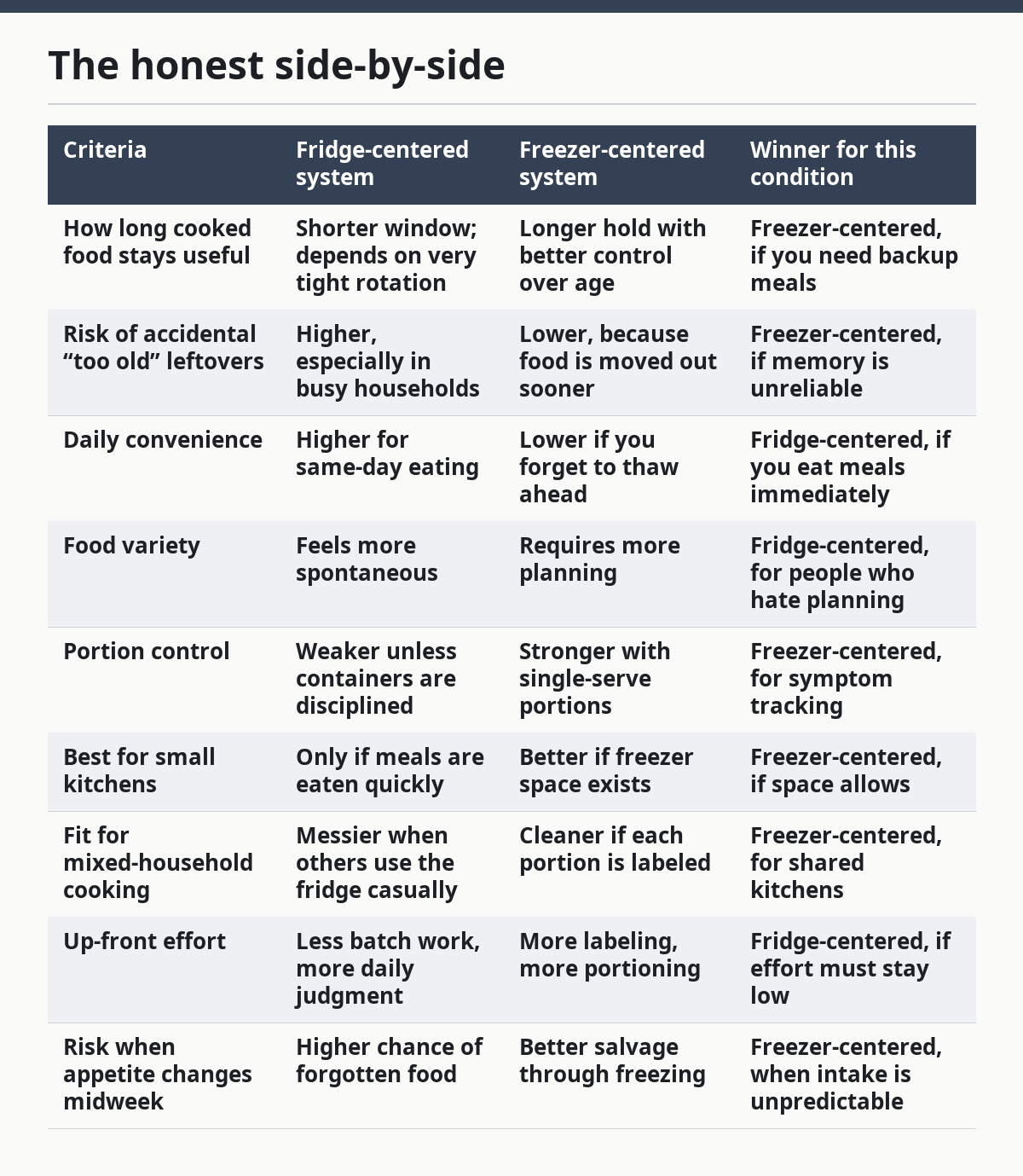
The table points to a clear conclusion: a freezer-centered system is usually the safer default for histamine-sensitive cooking. The fridge-centered model only wins when meals are eaten quickly, the household is orderly, and freezer space is tight. That is a narrow set of conditions, not the general case.
The drawback of the freezer-centered approach is setup burden. It asks for labels, containers, and a habit of planning one step ahead. If that burden leads to burnout, the system collapses. In that case, a simpler fridge-centered method with very small batch sizes may be better than an ambitious freezer plan nobody maintains.
When the verdict flips
The overall recommendation changes in a few specific situations, and pretending otherwise would be sloppy.
First, the verdict flips if freezer space is almost nonexistent. A dorm fridge, a shared office fridge, or a tiny apartment setup can make freezer management impractical. In that case, a fridge-centered system with tiny, same-day batches is more realistic. A system that cannot physically fit single portions is not a system; it is a headache.
Second, the verdict flips if the household has two or more people eating very different foods from the same fridge. In that case, the important issue is not only histamine but cross-contact, label discipline, and space. A separate shelf bin, separate containers, and a very short fridge cycle become non-negotiable. If that cannot happen, the kitchen system may need to be redesigned around each person’s food access.
Third, the verdict flips if the person rarely cooks. Someone who eats mostly simple store-bought meals and fresh fruit may gain little from elaborate prep systems. The better move may be a tighter shopping list and a handful of safe convenience foods rather than a whole prep architecture.
Fourth, the verdict flips if symptoms seem severe, inconsistent, or accompanied by weight loss, fear of food, anemia, chronic diarrhea, or significant abdominal pain. That is no longer just a kitchen problem. It needs medical evaluation, because histamine intolerance can overlap with other conditions that should not be managed by guesswork.
A kitchen system is powerful, but it is not a diagnosis and it is not a substitute for medical care. If symptoms are intense, a clinician or registered dietitian should help sort out whether histamine is the main issue or only one part of it.
What a working histamine-friendly kitchen looks like on a Tuesday
A working kitchen on a Tuesday looks plain. There is a container of cooked rice dated yesterday, a tray of frozen single portions, a labeled shelf for “eat first,” and no mystery casserole living in the back of the fridge since last week. Dinner comes from three or four ingredients, not twelve. The person cooking does not have to wonder whether the sauce was fermented, whether the broth sat too long, or whether the leftovers have crossed some invisible line.
That ordinariness is the point.
The generic article makes histamine management look like a list of forbidden foods. The better approach is to treat the kitchen like a freshness system. Buy less at once. Cook smaller batches. Cool food quickly. Label everything. Freeze the rest. Keep the ingredient list short enough that a stressed brain can still follow it at 7:30 p.m.
This is also why many “special diet” kitchens fail: they depend on motivation. A histamine-friendly kitchen depends on defaults. If the default path leads to safe food, the system survives bad weeks. If it depends on perfect memory, it will break the first time someone gets busy.
The biggest trade-off is that this style of cooking is less spontaneous than standard home cooking. There is no honest way around that. But the payoff is fewer accidental exposures and more predictable meals, which is usually the whole reason a person starts looking for this system in the first place.
The Verdict
Choose a freezer-centered, plain-food kitchen if you need the most control over freshness, leftovers, and symptom uncertainty. Choose a fridge-centered micro-batch system if freezer space is scarce and meals are eaten almost immediately. Neither if your symptoms are severe, your intake is shrinking, or you suspect something more than food storage is driving the problem.
What to do first
Start with the freezer, the labels, and the fridge thermometer. Those three changes do more than an expensive pantry overhaul. Put a marker beside the containers. Clear one shelf for “use first.” Make two or three repeat meals that freeze well, and stop trusting leftovers to survive by instinct alone.
If you want the kitchen to become easier, do not start by hunting for a perfect meal plan. Start by making the current food safer to keep. That is the system that lasts.
Drafted with AI; not yet reviewed by a person.