Last updated: November 19, 2026
Key Takeaways
- Plan for same-day eating, with one meal served right away and the rest divided into meal-sized portions.
- Start with the longest-cooking item, then the faster foods, then the protein that needs precise timing.
- Serve one plate immediately, then portion the rest into individual servings instead of one large container.
- Cool food by spreading it out, leaving it uncovered only as long as needed, and moving it to a cooler spot once the steam drops off.
How to Plan a Low Histamine Batch Cook for a Busy Week is easiest when the batch cooking system is built around same-day meals, fast cooling, and a short ingredient list. If the plan tries to act like a normal Sunday meal prep session, it usually fails: the food sits too long, the kitchen gets crowded, and the cook ends up with leftovers that are hard to trust.
The low histamine batch cooking system starts with a same-day menu
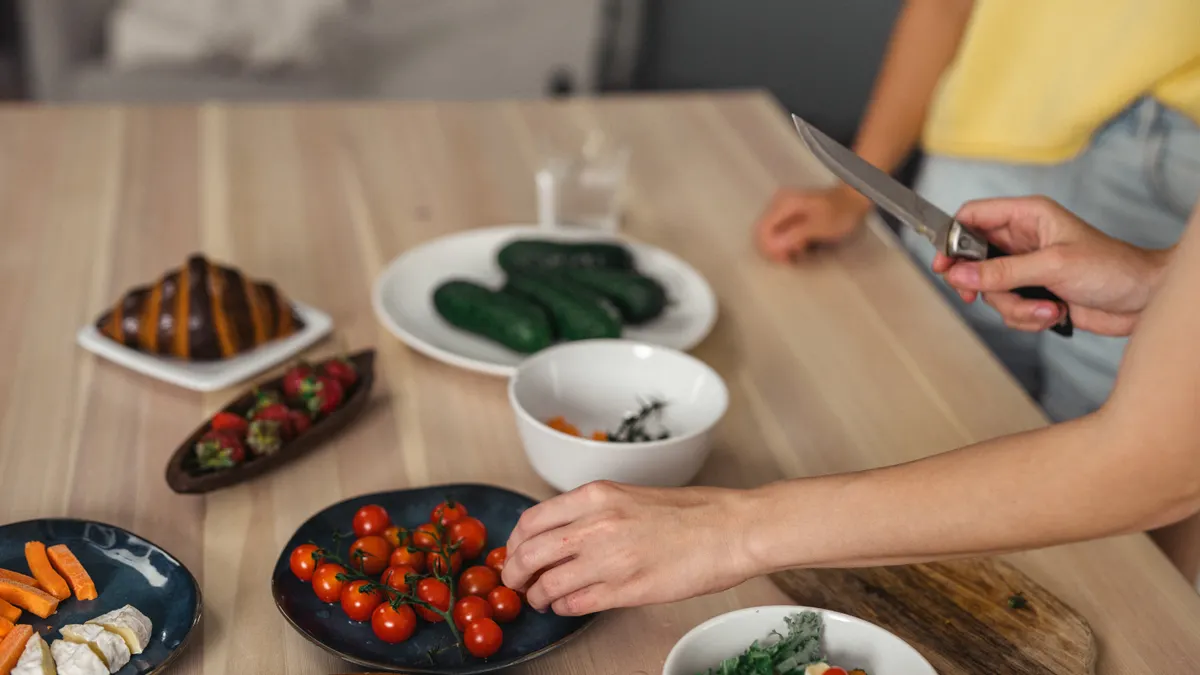
The low histamine batch cooking system starts with a same-day menu. That means building 2 to 4 meals from a short list of foods that tolerate plain cooking: rice, quinoa, chicken, zucchini, carrots, and olive oil.
Start with the meals, not the recipe ideas. A useful batch session might look like one grain, one protein, and two vegetables prepared in parallel. For example, rice can go on the stove in a lidded pot, quinoa can cook in another pot, chicken can roast on a sheet pan, and zucchini and carrots can be cooked quickly in a second pan. The point is not variety for its own sake. The point is to create a few clean, repeatable plates that can be eaten right away.
This is where a lot of generic meal-prep advice goes wrong. It assumes one cooking session should cover several days. For low histamine eating, that can push the food farther from the moment it was made, which is exactly what many readers are trying to avoid. A better target is “cook once, eat fresh,” with a small number of meals built for the same day. That keeps the workflow simple and lowers the odds of forgotten containers sitting on the counter.
A practical rule is to keep the ingredient list under 8 items for the main cook. That makes the stove easier to manage and cuts down on cross-contact between pans. It also leaves room for plain seasoning and olive oil without turning the session into a long recipe project. If the plan needs an elaborate sauce or a dozen spices, it is probably the wrong plan for a busy week.
This article fits the broader low histamine cooking methods and kitchen setup guide, but here the focus stays on the cook sequence, the portion strategy, and how to get dinner on the table without turning the kitchen into a second job.
What should I cook first in a low histamine prep session?
The first thing to cook is usually the longest item on the stove, then the faster items, then the protein that benefits from precise timing. In most kitchens, that means rice or quinoa first, vegetables second, and chicken last if it is being cooked to order on a sheet pan or skillet.
Here is the core sequence that keeps the session moving.
- Set out 2 cutting boards, 2 sheet pans or pans, 1 pot for rice, 1 pot for quinoa, and a food thermometer. This gives each food its own lane and avoids scrambling for tools once the heat is on.
- Wash and cut the vegetables first, then start the grains. Rice and quinoa take longer than zucchini and carrots to manage once cooking begins, so getting them going early saves time.
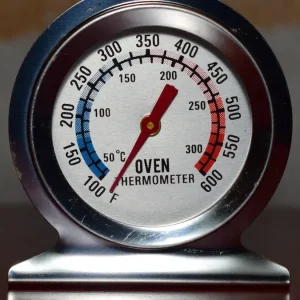
- Season the chicken simply, then put it on a separate tray or pan. A thermometer is the useful tool here: it tells you when the thickest part has reached a safe internal temperature instead of forcing you to guess by color alone.
- Cook the zucchini and carrots near the end so they stay tender, not limp. If they sit hot for too long, they lose texture and become less useful as a quick meal base.
- Plate one meal immediately for the same day, then portion any extra food into separate containers while it is still easy to handle. The result should be a ready plate plus a small number of clear portions, not one large pile of mixed food.
- Clean as you go for the last 10 minutes. A cleared counter matters here because the batch cooking system depends on simple movement between stove, board, and plate.
The biggest mistake in this sequence is starting with the chicken before the grains. That traps the cook in one task while two burners or the oven sit underused. Another mistake is chopping everything before any heat goes on. In a low histamine kitchen, that often stretches the session and makes the food less fresh by the time it is served. A better rhythm is prep a little, cook a little, plate a little.
How do you portion food for the same day without turning it into leftovers?
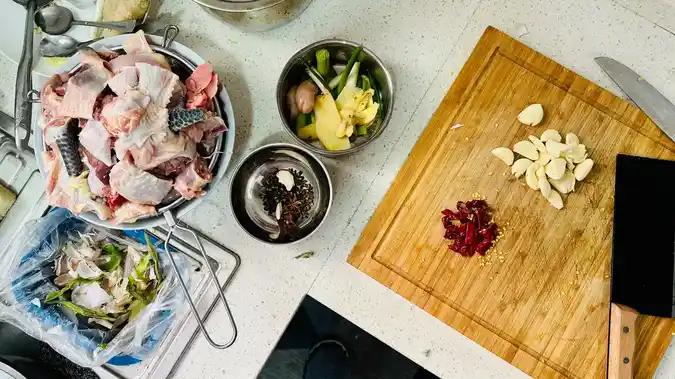
You portion low histamine batch-cooked food by serving one meal immediately and dividing the rest into meal-sized plates instead of one large container. That keeps the food easy to grab, easy to identify, and easier to eat without re-sorting half a pan later.
Think in one-person portions. One plate might hold a portion of chicken, a scoop of rice or quinoa, and one vegetable. If the household needs different amounts, use the plate as the measuring tool rather than chasing exact ounces. A busy week is not the right time for a fussy weighing ritual unless that structure helps the person eat consistently.
Use shallow containers or plates with lids for same-day portions. A broad, shallow shape cools faster than a deep bowl and makes the food easier to reheat if that becomes necessary. Keep sauces separate if you use any at all. For many low histamine eaters, a plain meal is less risky than a mixed dish with too many ingredients packed together.
A useful habit is to label the plate mentally by meal time: lunch, dinner, late dinner. That sounds simple, but with low histamine batch cooking it can prevent the “I’ll deal with it later” problem that turns a neat batch cook into a stack of unknown containers. If the food is meant for tonight, say so out loud when you plate it. That small step sounds trivial and saves confusion when the kitchen gets busy.
This approach is not for someone trying to stockpile a week of varied lunches in one shot. It is for the reader who wants a few dependable meals from one cooking block and does not want to gamble on long-holding food. The trade-off is obvious: less variety, more control. That is the right exchange for many people on a low histamine pattern.
How do I cool and reheat food safely in the same session?
You cool food by spreading it out, keeping it uncovered only as long as needed, and moving it to a cooler spot once the steam drops off. Then you reheat only the portion you will eat, instead of reheating the whole batch over and over.
The part most people skip is the middle step between stove and table. Hot food trapped in a deep pot stays hot for a long time. A shallow plate of rice, quinoa, chicken, zucchini, or carrots sheds heat faster than a dense pile. If the kitchen is warm, open a window or move the plate to a clean, cooler counter so the steam can escape. Do not stack hot containers on top of each other; that slows cooling. The FDA Food Code also uses time and temperature controls to reduce food-safety risk, which is why cooling quickly matters in any careful kitchen. FDA Food Code
If you need to reheat, reheat the serving portion, not the full batch. A skillet over medium heat or a microwave can both work for a single plate. The goal is to bring the food back to hot and then eat it, not to cycle it through the heat several times. Repeated warming is exactly the kind of workflow that makes low histamine batch cooking feel complicated and unreliable.
A food thermometer earns its place here too. It is not only for chicken; it is also useful when you want to know whether a reheated portion is truly hot in the center. The thermometer gives you a simple answer instead of a guess based on the surface of the food. The USDA also recommends using a food thermometer for safe cooking temperatures. USDA Food Safety and Inspection Service
This is also where a lot of cooking advice becomes too broad. General meal-prep articles often talk about storing food for days. That is a different question. This page is about the day-of cooking sequence and portion strategy, so the point here is to cool promptly, serve promptly, and avoid extra heat cycles. If the session leaves you with food you are not ready to eat, the plan was too large.
A busy-week workflow for multiple meals that still feels manageable
The easiest workflow for multiple meals is one cooking block, one plate eaten immediately, and 2 to 3 additional plates portioned for the same day. That gives the week a cushion without turning the session into full-scale meal prep.
A good sequence for a weekday evening looks like this:
- Start the rice or quinoa.
- Put chicken on its own tray or skillet.
- Prep zucchini and carrots while the main foods cook.
- Plate one full meal as soon as the first combination is ready.
- Portion the rest into meal-sized servings as the last step.
If the household needs two different dinners from one session, split the vegetables or grains between two plates before anything is mixed together. That makes it easier to serve different portions without pulling food apart later. Keep the seasoning plain enough that each plate still makes sense on its own. Olive oil, salt if tolerated, and simple herbs are enough for many kitchens.
The time-saving trick is to choose foods that behave well in parallel. Rice and quinoa can occupy one or two burners while chicken roasts in the oven at the same time. Zucchini and carrots finish quickly, so they can fill the gap near the end. That layout avoids the common bottleneck where every component needs attention at once. A one-pan plan looks neat on paper but often forces the cook to stand at the stove for too long.
This workflow is not ideal for someone who wants a freezer stocked with mixed meals. It is also not the best fit for a day when the kitchen will be interrupted every 5 minutes. The system works because it is short, clear, and repeatable. If the week is truly chaotic, cook fewer components and make one simple plate instead of trying to handle a large batch.
Common mistakes that make low histamine batch cooking harder
The most common mistakes are overcooking the session, mixing too many ingredients, and waiting too long to plate the first meal. Each one costs time or freshness, and each one has a simpler fix.
A big mistake is treating the session like a restaurant prep line. That usually leads to 6 or 7 active tasks at once, which is too many for a home kitchen. The cost is confusion: rice boils over, chicken sits unattended, and vegetables get over-soft. The fix is to cap the number of active foods at 4 or 5 and keep one burner or pan free for emergencies.
Another mistake is building the plate around sauces, marinades, or complex flavor layers. In a low histamine routine, that can make the food harder to predict and slower to assemble. The cost is not just extra work; it is uncertainty. The fix is to cook plain, then add only the simplest finishing touch you already know works for the reader.
A third mistake is leaving food in the pot because “it will be easier later.” That usually means the first plate gets delayed by 20 or 30 minutes while the rest of the meal cools inside the cooking vessel. The fix is to plate the first meal as soon as the chicken is done and the grains are ready. The rest can be portioned after the first serving is secured.
The last common error is trying to solve the whole week in one go. That is not batch cooking; that is overcommitting. For low histamine eating, a smaller plan is often the better plan. A clean session that makes 2 solid meals is more useful than a sprawling one that makes 5 meals nobody wants to touch.
What a low histamine batch cook should actually look like
A good low histamine batch cook is short, plain, and organized around immediate eating. It uses rice or quinoa, chicken, zucchini, carrots, olive oil, and a food thermometer to keep the process simple and readable.
The best version of this system does not try to act like meal prep for a whole week. It gives you one meal now, a few meal-sized portions after that, and a kitchen that still feels usable when you are done. That is the real win: not abundance, but control.
The method is a fit for someone who wants dependable food on a busy day and does not want a long ingredient list or a complicated cooking sequence. It is a poor fit for anyone looking to cook a broad range of dishes at once or to rely on large, long-holding batches. For low histamine eating, restraint is not a flaw in the system. It is the system.
How do you batch cook for low histamine?
You batch cook for low histamine by keeping the session small, cooking the longest items first, and serving one meal right away. Use plain foods such as rice, quinoa, chicken, zucchini, carrots, and olive oil. The point is to make a few dependable plates in one cooking block, not to build a week of mixed leftovers. If you have medical concerns, a dietitian or clinician can help tailor timing to your situation.
What should I cook first in a low histamine prep session?
The longest-cooking item should go first, usually rice or quinoa. Then cook the protein and vegetables in a way that lets you plate quickly. Starting with grains keeps the burners moving and avoids the common problem of waiting on one pot while everything else cools or overcooks.
How long should food sit before eating on a low histamine diet?
Food should sit only long enough to be served safely and not stay hot in a deep pot. The practical goal is to plate and eat the meal as soon as the cooking session is done, rather than leaving it out as part of a long prep window. If you have medical concerns, a dietitian or clinician can help tailor timing to your situation.
Drafted with AI; not yet reviewed by a person.