Last updated: November 19, 2026
Key Takeaways
- Good freezer-friendly low histamine soups usually have a short ingredient list and steady texture.
- A freezer-friendly low histamine soup keeps separation low and holds up better after thawing.
- Broth, puree, and simple starch-thickened bases usually freeze more cleanly than cream-heavy chowders.
- Make, cool, portion, and freeze the soup promptly so it stays fresher and easier to reheat.
Low histamine soups that freeze well are usually simple soups built from fresh meat, low-histamine vegetables, rice, or potato, then frozen fast in portions. For a low histamine approach, the safest practical choice is usually a clear broth or a smooth puree, not a dairy-heavy chowder or a soup packed with leftovers. The whole process is easier if you treat the soup like a planned batch meal rather than an improvised leftover pot, and if you want personalized guidance, consult a registered dietitian or clinician familiar with histamine intolerance; the NHS notes that diet changes for suspected intolerance are best handled carefully.
Which low histamine soups freeze well?
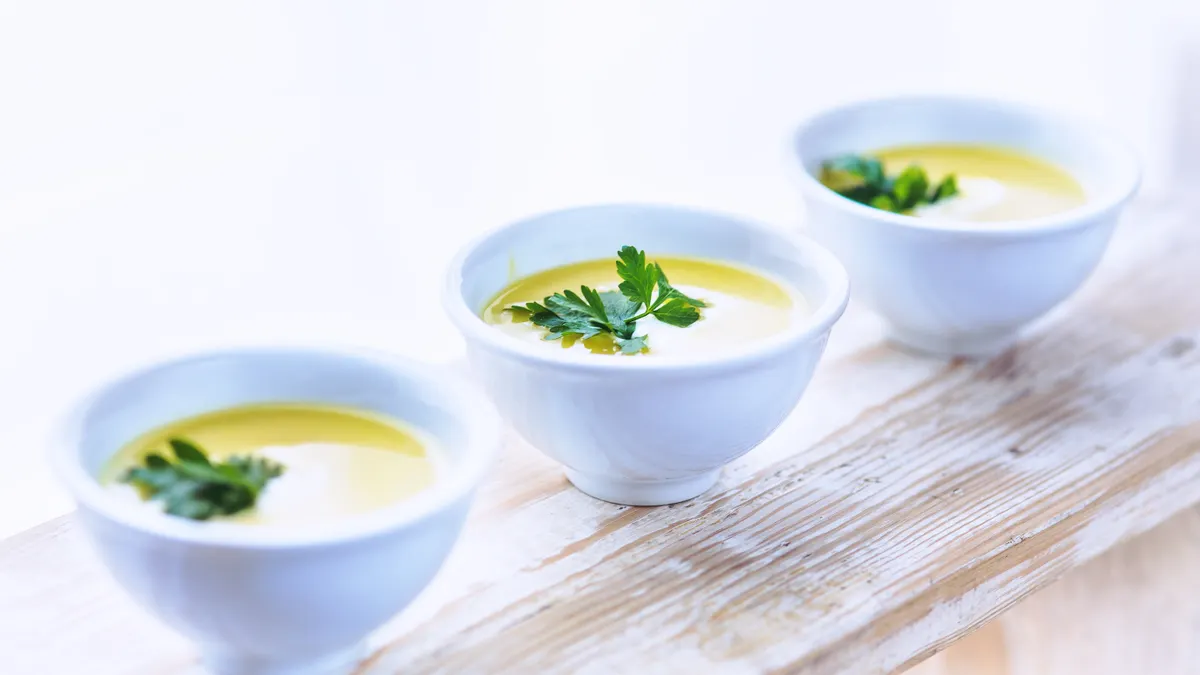
The low histamine soups that freeze well are often carrot soup, zucchini soup, potato soup, pumpkin soup, chicken-and-rice soup, and smooth blended vegetable soups. They tend to stay more stable than soups with cream, beans, tomatoes, or long-cooked mixed leftovers, which are more likely to separate or turn grainy after thawing.
For a low histamine kitchen, the freezing question is mostly about texture and ingredient load. Histamine builds in food that sits around, so the goal is a soup made from fresh ingredients, cooled quickly, and frozen the same day or soon after cooking. If a soup already includes leftovers from earlier meals, it is a poorer candidate than a fresh batch.
A good freezer soup usually has three things:
- a simple broth base
- one or two vegetables with a stable texture
- a starch that reheats cleanly, such as rice or potato
A bad freezer soup usually has:
- cream or milk
- a lot of soft vegetables that break down into mush
- seafood, aged ingredients, or mixed leftover protein
I would not choose casseroles-as-soup, restaurant takeout soup, or anything with uncertain storage time. Those are the wrong choices for anyone trying to keep histamine load predictable.
What makes a soup freezer-friendly for low histamine eating?
A freezer-friendly low histamine soup has low water separation, a short ingredient list, and ingredients that keep their shape after thawing. That usually means stock made from fresh chicken, a vegetable base like carrot or pumpkin, and a starch such as rice or potato rather than pasta or cream.
The main enemy is texture loss. Zucchini can go soft, but it still works well when pureed. Potato freezes better in a blended soup than as big cubes. Rice holds up if it is slightly undercooked before freezing, while very soft rice can turn mushy. Chicken works best when chopped or shredded and added in a moderate amount, not overloaded.
A useful rule is to freeze the soup in a form you already enjoy eating slightly thicker than the final bowl. The texture usually loosens after thawing. If the soup seems perfect before freezing, it may feel thin later.
Here is the short version of what to choose:
- Best bases: carrot, pumpkin, potato, chicken broth, rice
- Usually fine when pureed: zucchini, pumpkin, carrot
- Use carefully: pasta, cream, beans, soft greens
- Avoid if you need reliable freezer results: dairy-heavy soups, tomato-heavy soups, seafood soups, and long-cooked leftover soups
If you want a broader set of building blocks, the hub on histamine-friendly recipe building blocks is the right place to start, and this page keeps the focus on freezer-friendly soups.
Low histamine soup bases that keep their texture
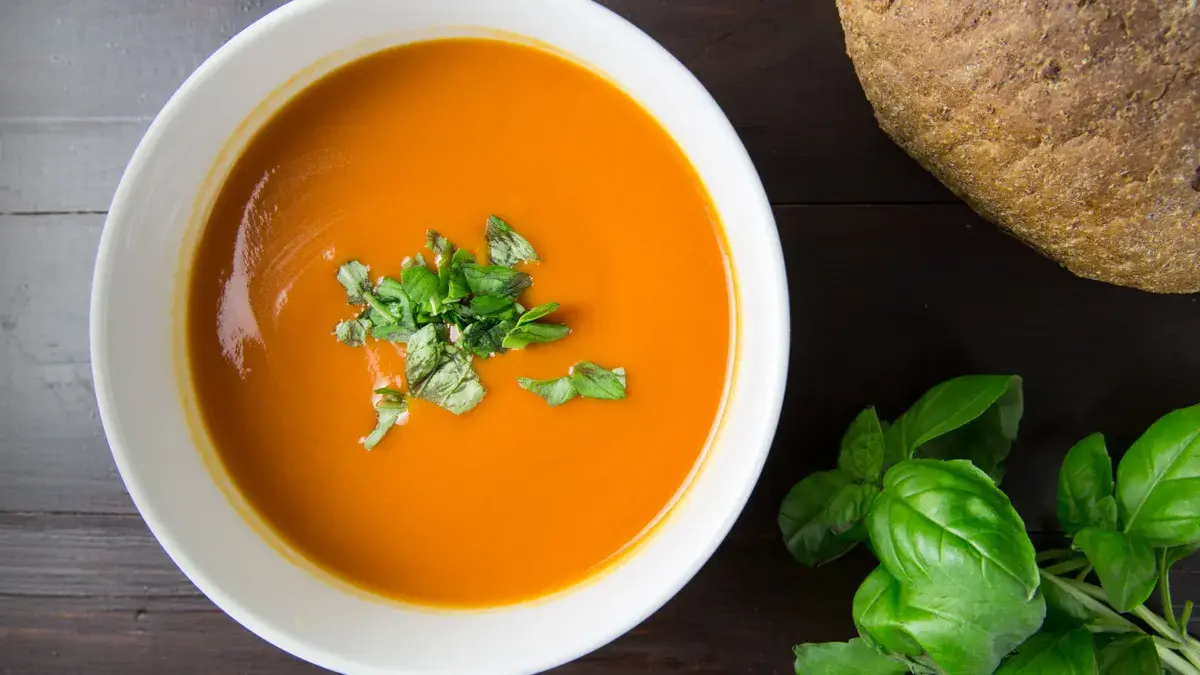
Low histamine soup bases that keep their texture are broth, puree, and simple starch-thickened soup, not cream sauce or flour-heavy chowder. The cleanest freezer results usually come from chicken broth, carrot puree, pumpkin puree, or potato-based soup.
Chicken broth is the most versatile base if you tolerate chicken well. It gives body without much risk of curdling, and it pairs with carrot, rice, and zucchini. Use fresh chicken, fresh water, and low-histamine seasonings you already know suit you. Avoid aged bouillon cubes unless you know the ingredient list and tolerance are both safe for you.
Vegetable puree soups freeze especially well because the texture is already uniform. Carrot soup, pumpkin soup, and blended zucchini soup are good examples. Pureeing reduces the chance of stringy bits or watery pockets. A hand blender works fine in the pot, and a countertop blender gives an even smoother result if the soup is cooled first.
Potato soups can work too, but they are better as blended soups than as chunky soups. A potato soup with carrot or chicken is usually more freezer-stable than one with milk or sour cream. If you want the soup to stay creamy without dairy, blend part of the potato into the broth instead of adding cream.
A practical base formula looks like this:
- 1 litre / 4 cups broth
- 2 to 3 cups chopped vegetables
- 1 cup cooked rice or 2 medium potatoes, if desired
- salt and a small amount of tolerated herbs
That kind of base is simple enough to freeze cleanly and flexible enough to season after reheating. For more on building a soup base, see the related guide to low histamine broth basics, low histamine pantry staples, and simple low histamine dinners.
How do I make freezer-friendly low histamine soup?
You make freezer-friendly low histamine soup by cooking a simple batch, cooling it fast, portioning it right away, and freezing it before the ingredients get tired. The whole process is easier if you treat the soup like a planned batch meal rather than an improvised leftover pot. For food-safety timing, the USDA says to refrigerate leftovers within 2 hours, and the NHS gives similar cooling advice for cooked food.
-
Start with fresh ingredients. Use fresh chicken, carrot, zucchini, pumpkin, or potato the day you cook the soup. Fresh ingredients matter because the flavor stays cleaner and the soup is less likely to taste flat after freezing.
-
Cook the base gently for 20 to 30 minutes. Simmer, do not boil hard. A gentle simmer keeps chicken tender and helps vegetables cook through without breaking apart into strings or slurry.
-
Underdo the texture slightly. Stop when carrots are just tender and rice is still a little firm. The soup will soften more after freezing and reheating, so a slight margin protects the final bowl.
-
Blend only what needs blending. Puree carrot, pumpkin, or zucchini soup until smooth if that is the style you want. Leave chicken soups partly chunky if you prefer texture, but keep the pieces small, about 1 to 2 cm / 1⁄2 to 3⁄4 inch.
-
Cool the soup quickly. Divide a large pot into shallow containers so heat escapes faster. Do not leave a deep pot sitting on the counter for hours; the longer it lingers, the less predictable the result becomes.
-
Portion before freezing. Ladle the soup into 250 to 500 ml / 1 to 2 cup containers, depending on how you eat. Smaller portions thaw more evenly and give you less waste if your appetite changes.
-
Leave headspace. Liquid expands as it freezes, so leave about 2 cm / 3⁄4 inch at the top of each container. That keeps lids from popping and containers from cracking.
-
Label and freeze flat when possible. A flat freezer bag or low-sided container saves space and freezes faster than a deep bowl. Faster freezing generally helps preserve texture.
This is the point where low histamine cooking either stays manageable or turns into a pile of disappointing leftovers. The soup should be frozen while it is still fresh, not after several days of grazing from the pot. For meal planning ideas, related pages on batch cooking, freezer meals, and food storage safety can help.
Best ingredient choices: carrot, zucchini, rice, potato, pumpkin, chicken
The ingredient choices that tend to work best are carrot, zucchini, rice, potato, pumpkin, and chicken because they each give structure without making the soup fragile. These are not the only options, but they are among the more reliable ones for freezing.
Carrot makes a sweet, stable puree and works well in broth-based soup. It gives body without cream and blends to a smooth texture.
Zucchini is mild and freezes well when pureed, though it can go watery if left chunky. If you use zucchini, pair it with potato or carrot so the soup does not turn thin.
Rice holds up in soup better than many pasta shapes. Slightly undercook it, because rice continues softening after freezing and reheating. Very soft rice becomes gluey.
Potato gives thickness and a familiar comfort-food feel. Use it in blended soups or in soups where the potato is meant to partly dissolve into the broth.
Pumpkin is one of the easiest freezer ingredients because it purées smoothly and rarely needs much help. It is a strong choice for a simple autumn-style soup.
Chicken adds protein and makes the soup feel complete. It freezes best when cut into small pieces or shredded while still moist. Very dry chicken tends to feel stringy after thawing.
The trade-off is simple: the more delicate the ingredient, the more likely it is to change texture in the freezer. Leafy greens, dairy, and noodles are less dependable than the ingredients above. If you need a soup that stays pleasant two weeks later, build around the sturdier list.
Portioning and containers that protect the soup
Portioning protects the soup more than most people expect, because the container affects both freezing speed and texture. Small, shallow portions freeze faster than one large container, and that helps the soup keep a cleaner finish.
Use containers that match how you actually eat:
- 250 ml / 1 cup for a light lunch or side bowl
- 500 ml / 2 cups for a full meal
- 1 litre / 4 cups only if you reliably use that amount soon after thawing
Glass containers can work if they are freezer-safe and not overfilled, but many people find stackable plastic containers or freezer bags easier. If you use bags, freeze them flat on a tray first so they turn into easy-to-store slabs.
A few common mistakes cost you quality:
- Overfilling containers leads to cracked lids or split bags.
- Freezing huge portions makes the center freeze slowly and thaw unevenly.
- Mixing toppings into the soup can make herbs, rice, or chicken look dull by the time you eat it.
Keep garnishes separate if possible. Fresh herbs, a squeeze of citrus, or a drizzle of tolerated oil can be added after reheating, which keeps the frozen soup cleaner. If you rely on dairy for finishing, skip it here; that is one of the fastest ways to get a separated bowl. For container options, see freezer-safe containers and meal prep containers.
Reheating frozen soup without ruining it
Frozen soup tastes best when it is thawed slowly and reheated gently over 5 to 10 minutes, not blasted into a boil. High heat can split an otherwise good puree, dry out chicken, and make rice or potato turn pasty.
The easiest method is to move the portion from freezer to fridge ahead of time, then warm it in a pot over medium-low heat with a splash of water if needed. If you are starting from frozen, use a lidded saucepan on low heat and stir often so the outside does not overcook before the center thaws.
Watch for these texture fixes:
- Too thick: add 30 to 60 ml / 2 to 4 tablespoons water or tolerated broth
- Too thin: simmer uncovered for a few minutes
- Separated: whisk hard or blend briefly with an immersion blender
- Dry chicken: add broth, not cream
This page is about making soup that freezes well, not about every possible reheating method, so I am keeping the advice to texture and timing only. If a soup tastes flat after thawing, it usually needs salt, a little fresh herb, or a bit more broth rather than a full remake.
Which soups hold up best in the freezer?
Carrot, pumpkin, potato, and chicken-and-rice soups usually hold up best in the freezer. They keep a stable texture, and they do not rely on cream or fragile noodles to feel complete.
Pureed soups are especially reliable because their texture is already uniform before freezing. A chunky soup can still work, but the more moving parts it has, the more likely it is to thaw unevenly or turn soft in places and firm in others. If you want a simple benchmark, many home cooks find that soups frozen in 250 to 500 ml portions are the easiest to reheat consistently.
Common mistakes that make frozen soup disappointing
The biggest mistake is building the soup around ingredients that do not freeze cleanly. Cream, milk, noodles, and large chunks of soft vegetables can turn a good batch into a separated, mushy bowl.
Another mistake is freezing soup after it has spent too long in the fridge. For a low histamine approach, the soup should be treated as fresh food, not a week-old leftover. A third mistake is overcooking rice or potato before freezing; that leaves you with a soft, gummy texture after thawing.
If a soup feels plain before freezing, season it a little more than you think you need. Cold storage dulls flavor, and a bland soup often tastes even flatter later.
How do i keep frozen soup low histamine?
Keep it low histamine by starting with fresh ingredients, cooling the soup quickly, and freezing it soon after cooking. That means no long fridge life, no repeated reheating, and no batch that sits around for several days.
Freshness matters more than fancy ingredients here. A simple carrot, zucchini, potato, or chicken soup made and frozen promptly is usually a better choice than a more complicated soup that has aged in the refrigerator.
can i freeze soup in single portions?
Yes, single portions freeze very well and are often the smartest choice. They thaw faster, waste less, and make it easier to keep the rest of the batch untouched.
A 250 to 500 ml / 1 to 2 cup container is usually a practical size for one meal. Flat freezer bags also work if you want to save space and stack portions easily.
Drafted with AI; not yet reviewed by a person.