Last updated: November 19, 2026
Quick Answer: 5 low histamine sweetener options
Low Histamine Sweeteners: Sugar, Syrup, and Fruit-Based Options usually means ordinary sweeteners used in small amounts, with a few caveats about how they are processed, stored, and tolerated. For many people, plain white sugar is the most neutral starting point, then maple syrup, honey, date paste, and monk fruit can be tested one at a time if you want more flavor or less refined sweetness.
Which sweeteners fit a low histamine approach?
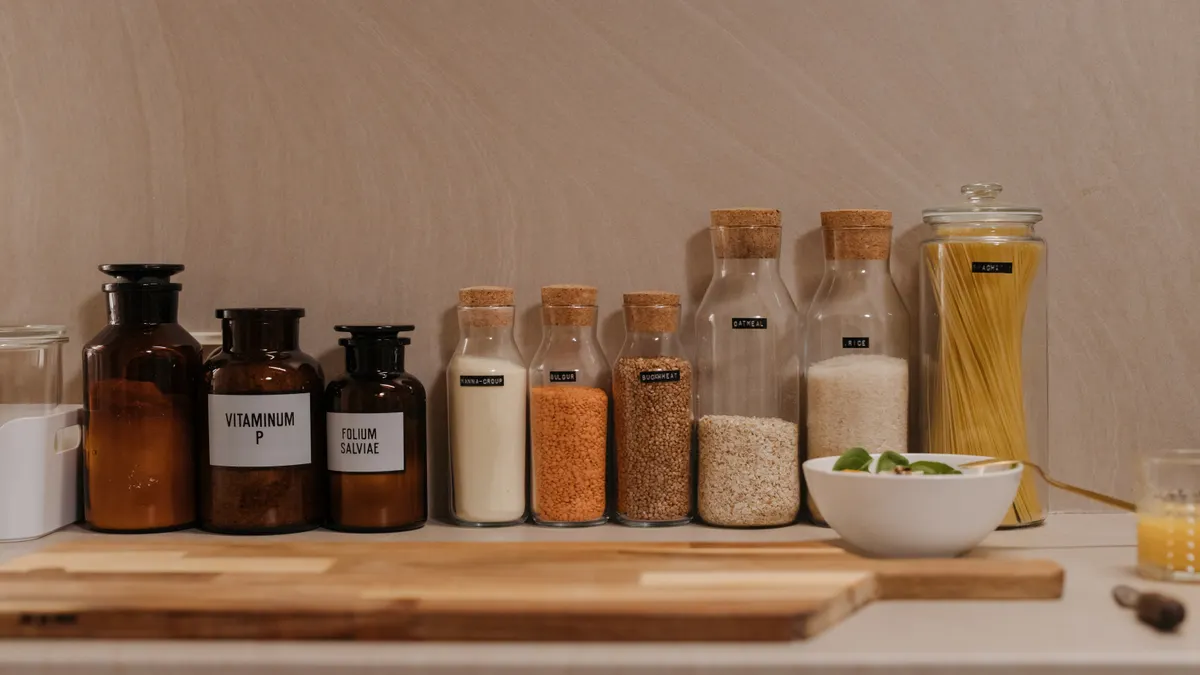
The simplest low histamine sweeteners are the ones with the shortest ingredient list: sugar, maple syrup, honey, date paste, and monk fruit. That does not make them equal, but it does give you a practical shortlist when you are trying to keep meals predictable.
Histamine issues are often less about the sweetener itself and more about what comes with it. A flavored syrup can carry additives, preservatives, or fruit concentrates. A homemade fruit paste can be fine in one kitchen and problematic in another if the fruit sits too long or the batch is stored poorly. For a sensitive eater, simplicity matters more than novelty.
Here is the useful distinction:
- Granulated sweeteners: sugar and monk fruit blends designed to replace sugar 1:1.
- Liquid sweeteners: maple syrup and honey.
- Fruit-based sweeteners: date paste and fruit purees used as sweetening agents rather than toppings.
Plain sugar is the most neutral option because it has no flavor compounds from syrups, fruits, or fermentation. Maple syrup is often used when a recipe needs moisture and a deeper taste. Honey is popular, but it is not the first choice for everyone because bee-derived products can be variable from jar to jar. Date paste brings body and a caramel note, yet it is best treated as a fresh ingredient; if you are unsure about storage or symptoms, consult a professional. A review of date fruit processing notes that freshness and handling affect quality.
If you want the shortest answer: start with sugar, then test one alternative at a time in a small amount. That is the cleanest way to spot your own tolerance without guessing.
For a broader ingredient framework, the hub on low histamine ingredient selection and swaps is the better place to start if you are building a full pantry.
Sugar: the plainest granulated option
Sugar is the least complicated sweetener for a low histamine kitchen, and that is why many people begin with it. White table sugar is the most neutral in flavor and the easiest to measure at 1 teaspoon, 1 tablespoon, or by weight in standard baking formulas.
The advantage is consistency. Sugar behaves predictably in cookies, cakes, sauces, and drinks. It dissolves well, contributes browning, and does not add the herbal or woody notes that syrups bring. If your goal is to keep a recipe as close as possible to its original structure, sugar usually causes the fewest moving parts.
There are still trade-offs. Sugar is not a low-carb food, and it is not the sweetener for someone avoiding added sugar for blood sugar reasons. It also does not help if you are trying to reduce overall sweetness in a recipe without changing texture. In baking, sugar does more than sweeten; it affects spread, moisture, and browning.
A practical way to use sugar is:
- Start with plain white sugar in a recipe that already works. A standard cake or cookie formula is easier to evaluate than an improvised one.
- Measure by weight when possible. A kitchen scale in grams gives more repeatable results than scoops and packed cups.
- Keep the recipe’s liquid the same. Sugar does not add moisture, so you do not usually need to rebalance liquid the way you would with syrup.
- Taste before adding extra sweetness. Many recipes need less sugar than expected once salt, vanilla, or fruit is present.
- Change one variable at a time. If you also swap flour, fat, or leavening, you will not know what caused the result.
Brown sugar is still sugar, but it is less neutral because molasses adds flavor and moisture. That can be useful in some baked goods, yet it is not the first choice if you are looking for the most stripped-down option. If you react to molasses or strong flavors, stick with white sugar first.
Maple syrup and honey: when liquid sweeteners make sense
Maple syrup and honey are useful low histamine sweeteners when a recipe needs liquid sweetness, but they are not interchangeable in practice. Maple syrup is cleaner and more predictable in flavor; honey is thicker, more aromatic, and often more variable.
Maple syrup works well in oatmeal, dressings, glazes, and batters where a little extra liquid will not break the formula. Because it is already fluid, it blends quickly and can give a recipe a rounded sweetness without graininess. A common mistake is using the same volume as sugar with no adjustment; that usually throws off texture. If you replace 1/2 cup sugar with 1/2 cup maple syrup, you are adding moisture the recipe was not built for.
Honey can fit a low histamine pattern for some people, but it is not the automatic safe choice. Its flavor can dominate at 1 tablespoon, and it browns quickly. In baking, honey also adds moisture and can make crusts darker sooner than sugar would. That makes it useful in certain quick breads and muffins, but less forgiving in delicate cakes.
Use this rule of thumb:
- Maple syrup: better for recipes that can absorb extra liquid, or where a subtle flavor is welcome.
- Honey: better when you want stronger sweetness and do not mind a distinct taste.
- Neither: best for recipes that rely on dry sugar for structure, creaming, or crisp edges.
If you are sensitive to histamine-rich foods, be cautious with flavored syrups, pancake syrups, or “maple-flavored” products. Those often contain corn syrup, caramel color, preservatives, or artificial flavoring. A bottle labeled “maple syrup” should still be checked for ingredient purity, because a short label is the point here.
This is also where label reading becomes part of the sweetener choice, not an afterthought. A plain syrup is one thing; a syrup with three added ingredients is another.
Date paste and other fruit-based sweeteners: useful, but not universal
Date paste is a practical fruit-based sweetener, but it behaves more like an ingredient than a sweetener in the narrow sugar-or-syrup sense. It adds sweetness, body, and a thick texture, so it can stand in for part of the sugar in muffins, bars, and soft cookies.
The upside is obvious: date paste can sweeten while also binding. It is useful when a recipe needs a denser crumb or a naturally sweet flavor. The downside is equally obvious: it changes texture, color, and flavor much more than white sugar does. A recipe that depends on crispness or light color will not come out the same.
Date paste is usually made by soaking dates and blending them into a smooth puree. That means freshness and storage matter. A paste that sits too long in the fridge can change in quality fast, and any homemade fruit sweetener should be treated as perishable; if you are unsure, consult a professional. Use a clean container, refrigerate promptly, and do not leave it at room temperature for hours.
Other fruit-based sweeteners follow the same logic. They are best when you want the fruit flavor to be part of the finished dish, not hidden. They are less suitable when the recipe needs precision. Fruit puree can dilute batter and alter browning, especially in baked goods that depend on a specific balance of dry ingredients.
A sensible way to think about fruit-based sweetness:
- Use date paste when you want moisture and a caramel-like note.
- Use fruit puree only when the recipe can tolerate extra water.
- Avoid fruit sweeteners in recipes where crisp texture matters.
This is not the right category for someone who needs a bland, highly repeatable sweetener. If your symptoms are unpredictable or you are still figuring out triggers, fruit-based options are often better as an occasional test than as a first-line pantry staple.
How to choose a sweetener for baking without wrecking the recipe
The right sweetener for baking is the one that preserves the recipe’s structure, not just its sweetness. Sugar is the easiest starting point, maple syrup is the most forgiving liquid substitute, honey is the most assertive, and date paste changes the formula the most.
A useful decision process looks like this:
- Identify the recipe’s job. A cake wants tenderness, a cookie may want spread, and a quick bread may want moisture. The sweetener has to support that job.
- Choose the least disruptive swap. If the recipe already uses granulated sugar, replace it with another granulated sweetener first. That keeps the dry-to-wet ratio stable.
- Use liquid sweeteners only when the batter can absorb them. Maple syrup and honey add moisture, so they work better in batters that already contain eggs, fruit, or a fair amount of fat.
- Lower added liquid if needed. If the recipe has milk, juice, or another liquid source, reduce it slightly when you introduce syrup. The exact amount depends on the recipe, but the goal is to avoid a slack batter.
- Watch browning earlier. Honey and date paste can darken faster than sugar, so start checking the bake a few minutes sooner than the original recipe suggests.
- Accept texture changes. A syrup-based muffin will not feel identical to a sugar-based one. The point is a workable result, not perfect imitation.
A few common mistakes matter here. If you swap sugar for honey cup-for-cup without adjusting liquid, you usually get dense or gummy results. If you use date paste in a recipe that needs a crisp edge, you get a softer finish than expected. If you choose a sweetener for flavor alone and ignore the recipe structure, the final result becomes unpredictable.
For people who want the closest bake to a standard recipe, sugar usually wins. For people who want a softer, more aromatic result, maple syrup can be a strong balance of flexibility and simplicity. Date paste is the most niche; it belongs in recipes that can absorb its body and color.
Label reading: the hidden problem in packaged sweeteners
Label reading is the part that keeps a “low histamine” sweetener from turning into a mixed-ingredient product. The safest choice is often the one with a single ingredient and no flavor system behind it.
For packaged sweeteners, check the label for these red flags:
- Added flavors or “natural flavor” in syrups or syrups marketed as maple or honey alternatives.
- Preservatives such as potassium sorbate or sodium benzoate in liquid sweeteners.
- Blends that mix sugar with syrups, sugar alcohols, or fibers.
- Fruit concentrates in “healthy” sweeteners, which can change both tolerance and flavor.
- Molasses, caramel color, or invert sugar if you are trying to keep the ingredient as plain as possible.
The shorter the ingredient list, the easier it is to troubleshoot. A jar of pure maple syrup should say maple syrup. A bag of sugar should say sugar. Once the label starts listing added flavors, thickeners, or alternative sweeteners, you are no longer dealing with the simplest version of that food.
This matters most if you are trying to isolate triggers. A sweetener with 5 ingredients is harder to evaluate than one with 1 ingredient. If you are keeping a symptom journal, note the exact product name, not just the category. “Honey” and “raw wildflower honey” are not the same data point when you are tracking reactions.
When in doubt, choose the version you can explain in one sentence. If that sentence gets long, the product may be too complicated for a sensitive period.
What low histamine sweeteners are not for
Low histamine sweeteners are not a cure for histamine intolerance, and they are not a guarantee of tolerance. They are simply one part of a lower-risk ingredient pattern. If you can tolerate a sweetener but not the flour, fat, or fruit it is paired with, the sweetener is not the whole story.
This category is also not ideal for someone chasing the sweetest possible substitute at any cost. Monk fruit blends can be useful, but blended products vary, and some are paired with erythritol or other bulking agents that do not suit every eater. If your main goal is zero calorie sweetness, this is where the low histamine frame and the diet goal can start to pull in opposite directions.
The most honest position is this: plain sugar is the safest default from a recipe standpoint, maple syrup is the most useful liquid alternative, honey is acceptable for some people but not universally gentle, and date paste works best when you want fruit sweetness and can accept a changed texture. Monk fruit can be helpful in a small number of formulas, but it is not the cleanest first choice if you are still learning your triggers.
That is why the best starting strategy is narrow. Pick one sweetener, test it in one familiar recipe, and keep the rest of the ingredients steady. If that goes well, expand slowly. If it does not, the problem is easier to identify.
Key takeaways
- The most practical low histamine sweetener is often plain sugar because it is neutral, consistent, and easy to bake with.
- Maple syrup is a strong liquid option when a recipe can handle added moisture.
- Honey can work, but it is more variable and more dominant in flavor.
- Date paste is useful for body and softness, not for crisp or delicate bakes.
- The ingredient list matters as much as the sweetener name; plain products are easier to troubleshoot.
What sweeteners are low histamine?
Plain sugar, maple syrup, honey, date paste, and some monk fruit products are the usual starting points. The best choice depends on the product’s ingredient list and how your body reacts, since low histamine tolerance can vary from person to person. If symptoms are active, simple formulas are easier to evaluate than blends.
Can i use honey on a low histamine diet?
Yes, honey can fit a low histamine diet for some people, but it is not universally tolerated. It is better used in small amounts at first, especially because its flavor and moisture can change recipes quickly. Choose a plain honey with no added flavors or syrups if you decide to try it, and consult a professional if you are unsure.
Which sweeteners work best for baking?
Sugar works best for standard baking because it preserves the original texture and structure of the recipe.
Drafted with AI; not yet reviewed by a person.