
Last updated: November 19, 2026
A single fruit cup can make dinner feel like a gamble. For people who deal with histamine reactions, Low-Histamine Produce Choices — The Complete Guide starts with one blunt answer: 10 produce items usually make the safest starting list. Those are pears, apples, blueberries, grapes, carrots, zucchini, cucumbers, lettuce, and many fresh herbs. The hard part is not finding “healthy” produce; it is steering clear of fruits and vegetables that commonly trigger symptoms because they are overripe, fermented, canned, canned-in-citrus, or naturally higher in histamine-liberating potential.
Histamine intolerance is a medical topic, so if symptoms are severe, persistent, or tied to weight loss, hives, breathing changes, or fainting, speak with a clinician or registered dietitian before making major diet changes. This guide to Low-Histamine Produce Choices — The Complete Guide is about practical food selection, not diagnosis.
Key Takeaways
- Freshness matters as much as the label “low histamine.” A fruit can look fine on paper and still cause trouble if it is overripe, cut and stored too long, or processed with vinegar or citrus.
- The safest produce aisle picks are usually simple, mild, and plain: apples, pears, blueberries, grapes, carrots, cucumbers, zucchini, cauliflower, broccoli, cabbage, lettuce, and many herbs.
- Tomatoes, spinach, eggplant, avocado, citrus, strawberries, bananas, and fermented or pickled vegetables are common troublemakers for many people with histamine issues.
- Freezing fresh produce soon after purchase often works better than keeping it for days in the fridge.
- The best rule is not “eat more produce,” but “eat the right produce, at the right ripeness, in the right form.”
What counts as low-histamine produce?
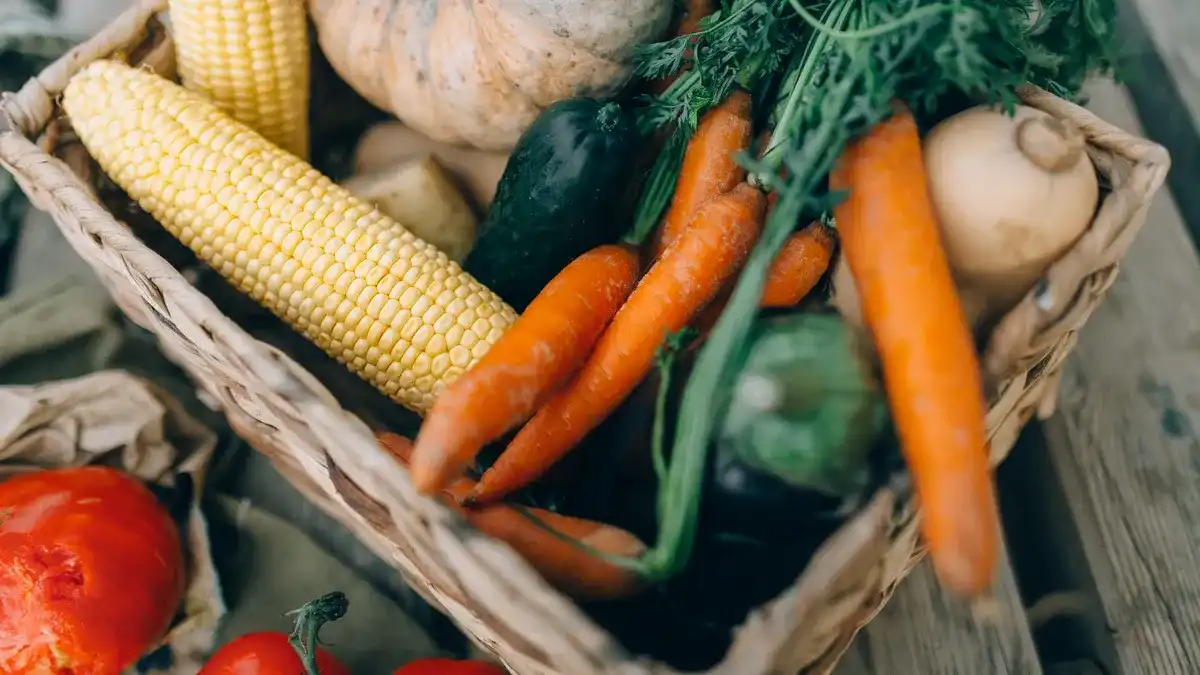
Low-histamine produce is produce that is less likely to trigger symptoms because it is fresh, minimally processed, and not naturally high in histamine or strong histamine-releasing potential. For Low-Histamine Produce Choices — The Complete Guide, the practical answer is narrower than most listicles suggest: the safest choices are usually plain fruits and vegetables with low acidity and low storage risk, eaten soon after purchase.
Pears, apples, blueberries, grapes, mango in small amounts for some people, carrots, zucchini, cucumber, romaine, iceberg, cauliflower, broccoli, and cabbage often show up on low-histamine lists for a reason. They are not magic foods. They are just less likely to pile several problems onto the same plate.
The U.S. National Library of Medicine’s MedlinePlus and allergy organizations such as the American Academy of Allergy, Asthma & Immunology discuss histamine-related reactions in general terms, but there is no single universal food list that fits everyone. Food triggers vary by person, dose, ripeness, and storage. That is the part generic articles often skip.
Choose produce that is fresh, plain, and not processed. Skip anything marinated, fermented, canned in vinegar, or sitting cut in a deli case. A ripe pear kept whole in the fruit bowl is not the same thing as a cup of sliced fruit that has sat open in the fridge for two days.
The trade-off is simple: “low histamine” is not the same as “lowest FODMAP,” “anti-inflammatory,” or “allergy-safe.” A food can be gentle on histamine and still bother the gut for another reason. If a diet needs to handle both IBS and histamine issues, the list gets smaller and the margins matter more. That math stops working fast.
Which fruits are usually safest on a low-histamine plan?
Pears and apples are often the safest default fruits for many people because they are mild, easy to portion, and widely available year-round. Blueberries and grapes are also common starting points, especially when the goal is a fruit that can be eaten fresh without added acid or fermentation.
The best fruit choices tend to share three features: they are not highly acidic, they are eaten fresh, and they are easy to find unprocessed. Apples and pears fit that pattern well. Blueberries bring variety without the tart, concentrated punch that can bother some people. Grapes are convenient because they are usually eaten raw and do not need any seasoning to taste complete.
There is still a catch. Fruit that is very ripe, bruised, over-soft, or pre-cut is more likely to be a problem than the same fruit in firmer condition. That matters because many people blame the fruit type when the real issue is storage. A cut fruit cup from the back of the fridge is not the same thing as a whole apple sliced right before eating.
Some fruits are more conditional. Melons can work for some people but not others. Mango sometimes appears on “safe” lists, but portion size and ripeness matter. If a reader wants a conservative approach, start with apple, pear, blueberries, and grapes before testing anything more exotic.
The fruits most often worth skipping at first are citrus, strawberries, bananas, pineapple, dried fruit with preservatives, and fruit mixes with lemon juice or “natural flavor.” Those are common troublemakers because they combine acidity, ripeness, storage sensitivity, or processing. If symptoms are active, those are poor first trials.
One useful habit is to buy fruit in small amounts and eat it within a day or two. A fruit drawer that stays untouched for a week is where “safe” produce often becomes unreliable.
Which vegetables usually fit best?
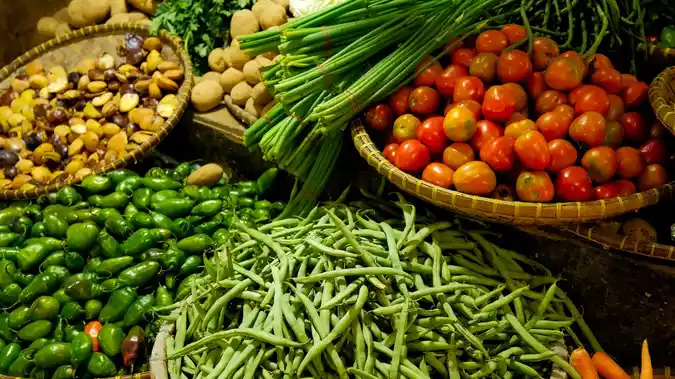
Carrots, zucchini, cucumbers, lettuce, cauliflower, broccoli, and cabbage are the most useful low-histamine vegetables for most people because they are mild, flexible, and easy to cook without added acid. They also work in ordinary meals, which matters more than any perfect list.
Carrots are often the easiest win. They store well, cook simply, and can be eaten raw or roasted. Zucchini is another practical choice because it is soft, quick-cooking, and usually bland enough to pair with tolerated fats and herbs. Cucumbers and lettuces help when a meal needs freshness without acidity. Cauliflower and broccoli are useful because they replace starch-heavy sides without depending on sauces. Cabbage is worth noting because it is often tolerated fresh and cooked, even though fermented cabbage is a different story entirely.
The biggest mistake is treating all vegetables as equal. Tomatoes are one of the most frequent problems because they are acidic and commonly reported as triggers. Spinach is another frequent issue, as are eggplant and avocado for many people. Mushrooms can be unpredictable. Bell peppers, especially red, are often tolerated by some but not all; they are not a first-line “safe” vegetable if symptoms are active.
Steamed, boiled, lightly roasted, and sautéed vegetables are usually easier than heavily seasoned, aged, or leftover dishes. A plain roasted carrot and zucchini tray is a much safer test than a vegetable stew held in the fridge for three days. One tray beats a mystery bowl.
The limitation is obvious: a low-histamine vegetable list can feel repetitive. That is the trade-off for stability. Most people do better rotating through a small set of reliably tolerated vegetables than chasing novelty.
What produce is most likely to cause trouble?
Tomatoes, spinach, eggplant, avocado, citrus, strawberries, bananas, pineapple, and fermented or pickled vegetables are the produce items most likely to cause problems for people trying to stay low histamine. That does not mean every person reacts to every one of them, but these are poor “first foods” when symptoms are already active.
The reason is not just histamine content in the narrow sense. Some foods are associated with histamine release, some are acidic, and some become problematic because of how they are stored or prepared. Tomato sauce, salsa, citrus-heavy fruit salads, pickled vegetables, and ripe banana snacks often combine several risk factors at once.
Processed produce deserves special caution. Jarred peppers, pickled onions, sauerkraut, kimchi, olives, and relish are not “just vegetables.” They are preserved foods, and preservation is exactly where histamine can rise. If the label includes vinegar, fermentation, brining, or citric acid, it is not a conservative choice for someone in the elimination phase.
Ignoring this usually does not cause one dramatic reaction every time. More often, people get a noisy pattern: headaches, flushing, nasal symptoms, itching, reflux, or unsettled digestion that seems random until the food pattern becomes obvious. That is why a generic “eat more vegetables” message can backfire.
The blunt recommendation is simple: if symptoms are unstable, remove the usual suspects first and keep the list boring for a while. Reintroduce later, one at a time, in small amounts. If the body is already reactive, do not force “healthy” produce that has a known reputation for causing trouble.
Freshness, ripeness, and storage matter more than most lists admit
Freshness is the difference between a useful low-histamine produce plan and a frustrating one. Produce that is perfectly acceptable when bought can become much less reliable after a few days, especially once cut, bruised, overripe, or mixed with other ingredients.
This is the part generic articles usually miss. They rank foods as if histamine were a fixed property of a fruit or vegetable. In real life, histamine-related reactions are affected by how long food sits, how warm it gets, whether it is peeled or cut, and whether it is combined with acidic dressings or leftovers. A whole cucumber and a pre-made cucumber salad are not the same food from a histamine standpoint.
Here is the practical standard: buy smaller amounts, store them cold, and eat them sooner. If you need to prep ahead, freeze the produce that freezes well. Blueberries, grapes, chopped zucchini, and some cooked vegetables do better than fruit salads or cut lettuce, which deteriorate quickly. Apples and pears are useful partly because they hold up better whole than many softer fruits.
Ripeness is another hidden variable. Overripe fruit is often more troublesome than firm fruit because the texture changes, the sugars concentrate, and the food spoils faster. A brown banana is a different bet from a just-yellow one, and for a low-histamine plan the safer answer is usually to skip bananas altogether at first.
If a person is using frozen produce, the safer move is to freeze it promptly after purchase or cooking. Long fridge time is where uncertainty grows. Leftovers are often the real issue, not the ingredient itself.
How to build meals from low-histamine produce
The easiest way to use low-histamine produce is to build meals around one fruit or two vegetables at a time, then add tolerated protein and starch. That keeps the source of symptoms easier to spot and makes shopping simpler.
A practical breakfast might be apple slices with a tolerated grain or plain yogurt substitute, if dairy is tolerated. A lunch might be cucumber, lettuce, and carrots with leftover-free protein. A dinner might be roasted zucchini, cauliflower, and broccoli with rice or potatoes. The point is not culinary excitement; it is predictable tolerance.
In a strict elimination phase, the best meals are plain enough that each ingredient is obvious. Mixed salads with citrus dressing, fruit bowls with multiple tropical fruits, and sauces made from tomato or vinegar make it harder to know what helped and what hurt. Simplicity is not a punishment. It is a diagnostic tool.
There is also a hidden benefit to plain produce: it leaves room for seasoning. Fresh herbs such as parsley, basil, and cilantro are often used by people who tolerate them, but they should still be introduced carefully if reactions are severe. Salt, simple oils, and cooked herbs are usually easier to manage than bottled dressings.
The trade-off is boredom, and that is real. But boredom is preferable to an unstable symptom cycle where every meal looks “healthy” and still causes trouble. I’d take plain food over guesswork any day.
If the goal is long-term eating rather than a short elimination phase, the better plan is gradual testing. Add one new produce item every few days, keep the portion small, and write down the result. That is how the list becomes personal instead of generic.
The honest verdict: which produce choices are worth relying on?
The best default choices are apples, pears, blueberries, grapes, carrots, zucchini, cucumbers, lettuce, cauliflower, broccoli, and cabbage because they are widely used, easy to buy fresh, and less likely to combine multiple histamine triggers in one bite. That is the shortlist I would start with for most people who want a calmer, lower-risk produce plan.
Choose apples and pears if fruit is the priority and symptoms are active. Choose carrots, zucchini, and cucumbers if vegetables are the priority and meal planning needs flexibility. Choose blueberries and grapes if you need fruit that is easy to portion and easy to eat fresh. If cooking matters, choose cauliflower, broccoli, and cabbage because they hold up well when steamed or lightly roasted.
This recommendation is wrong for people who need a very broad, performance-oriented diet, or for those whose symptoms are driven more by salicylates, FODMAPs, oxalates, or another food sensitivity. It is also wrong for anyone trying to use a single published list as a substitute for medical care. A low-histamine plan is a starting framework, not a diagnosis.
If a person cannot tolerate even the “safe” produce on this list, the issue may not be histamine alone. That is the point where professional guidance matters, because the diet may be too restrictive to manage safely without help.
Apples and pears: why they win first
Apples and pears win first because they are mild, familiar, and easier to keep plain than most fruits. They are not the most exciting produce, but they are often the most dependable when symptoms are sensitive and the goal is to reduce variables.
Their main strength is predictability. Whole apples and pears store better than soft fruits, they can be eaten raw without processing, and they rarely need added acid or preservatives. A person can slice one right before eating and avoid a long ingredient list. That simplicity is valuable when every extra step increases the chance of a reaction.
Not everyone tolerates them equally well, though. Some people find apples too fibrous, too sweet, or too irritating if digestion is already compromised. Pears can be soft and gentle, but they can also be overly ripe very quickly, which is exactly when histamine-related uncertainty tends to rise. A mealy pear is not the same as a firm one.
These are the right choice for someone who wants a conservative fruit that works in a lunchbox, a breakfast bowl, or a plain snack. They are less ideal for someone chasing variety, because the low-histamine world often narrows the fruit rotation fast. Still, they are the first pair worth trying because they solve the core problem with the fewest moving parts.
Blueberries and grapes: the best easy fruit backups
Blueberries and grapes are the best easy backup fruits because they are simple to eat fresh, easy to portion, and less likely to require peeling, cutting, or cooking. That makes them useful when the main problem is not just the fruit itself but the handling around it.
Blueberries are especially helpful because they are small, quick to rinse, and easy to freeze. Frozen blueberries can be a practical option when fresh fruit spoils too quickly, though the exact tolerance still depends on the individual. Grapes are useful because they are immediately edible and can be bought in manageable amounts.
Their weakness is that they are still fruit, which means ripeness and storage matter. Grapes that sit too long become less reliable, and blueberries that are soft or leaking are poor candidates. They are also easy to overeat because they taste mild. A big bowl of “safe” fruit is still a large load of sugar and volume, which matters for digestion.
These are the right choice for someone who wants convenience and has already done better with apples or pears. They are not the first pick for someone with very reactive digestion, because the small size and easy snacking can encourage more than the body wants at once. Even the safer fruit group should be treated as a measured test, not a free pass.
Carrots, zucchini, and cucumbers: the most practical vegetables
Carrots, zucchini, and cucumbers are the most practical vegetables because they cover three different meal roles: cooked side, warm vegetable, and crisp raw addition. That makes them far more useful than a longer but less functional list.
Carrots are the anchor. They roast well at ordinary oven temperatures, steam cleanly, and keep their shape. Zucchini is the “make dinner work” vegetable because it softens fast and blends into many meals without loud flavor. Cucumbers are the simplest cold option when a meal needs crunch without acidity.
The downside is that these vegetables can become boring fast, and boredom is a real adherence problem. Another limitation is storage: cucumbers can get watery, zucchini can soften quickly, and carrots can lose quality if forgotten. Still, these are the vegetables most likely to keep meals stable without requiring complicated recipes.
They are the right choice for anyone who needs to build reliable meals from scratch. They are less useful for someone who wants a broad range of flavors or who already knows that raw vegetables bother their gut. Raw cucumber can be gentle, but raw food in general is not the answer for every person with histamine symptoms.
Cauliflower, broccoli, and cabbage: the best cooked-veg trio
Cauliflower, broccoli, and cabbage are the best cooked-vegetable trio because they bring more meal structure than salad vegetables and usually tolerate simple steaming or roasting well. They also help replace more problematic vegetables like tomato-heavy sauces or eggplant-based dishes.
Cauliflower is the most flexible of the group because it can be steamed, mashed, roasted, or pulsed into rice-like pieces. Broccoli brings texture and is easy to portion. Cabbage is useful because it lasts well in the fridge as a whole head and can be cooked in large or small amounts without much fuss.
Their weakness is that they can be gassy for some people, especially if the gut is already sensitive. Broccoli and cabbage are not always gentle in large servings, even if they are low histamine on paper. Cauliflower can also feel repetitive if it becomes the main starch substitute too often.
These are the right choice for someone who wants cooked vegetables with more substance than lettuce or cucumber can provide. They are not ideal during a very strict elimination phase if bloating is already a major issue. That is the real trade-off: more utility, but more digestive demand.
What should you skip first if symptoms are active?
Skip tomatoes, spinach, eggplant, avocado, citrus, strawberries, bananas, pineapple, and all fermented or pickled produce first if symptoms are active. That is the fastest way to reduce the chance of stacking multiple triggers in the same meal.
The reason this list comes first is not that every item is universally bad. It is that these foods are common troublemakers and are often eaten in forms that make symptoms harder to predict. Tomato sauce, fruit salad with citrus, avocado toast, pickled vegetables, and banana-heavy snacks are exactly the kinds of foods that make a symptom pattern look random.
The best way to use this list is not forever. It is for the unstable phase. Once symptoms calm down, some of these foods can be tested individually in small amounts. But they are poor candidates for a starting menu.
A reader should also skip produce that has been cut and left sitting, regardless of type. Storage can turn a decent choice into a bad one. A low-histamine plan is less about perfection and more about removing the obvious noise.
Exception scenarios: when the usual advice flips
A few clear situations change the advice.
First, if fruit triggers symptoms more than vegetables do, the best starting point may be cooked vegetables only, with fruit paused entirely for a week or two. That happens more often than generic lists admit.
Second, if gut symptoms dominate and raw food is the problem, cooked produce beats raw produce even when the raw item is technically “safe.” In that case, steamed carrots and zucchini may work better than apples or cucumbers.
Third, if a person also has a FODMAP issue, pears and apples may stop being the best fruit choices. Low histamine and low FODMAP are not the same diet.
Fourth, if a person reacts to leftovers or delayed meals more than to the ingredient itself, the focus should shift to freshness, batch size, and freezing rather than to an endless search for a perfect produce list.
Those are the cases where the broad recommendation needs adjustment. The framework still holds, but the priorities change.
Where the low-histamine produce plan falls apart
The plan falls apart when it becomes so restrictive that meals stop being sustainable. A person can do everything “right” and still end up with too few calories, too little variety, or too much stress around eating.
That is the major limitation of any low-histamine produce list. It is useful for symptom control, but it can become hard to live on if every grocery trip turns into an avoidance exercise. If the list is shrinking faster than the symptoms are improving, that is a sign to reassess with a clinician.
The other failure point is overconfidence in internet lists. Many of them mix true low-histamine choices with foods that are only sometimes tolerated, then present the entire list as if it were universal. A safer approach is narrower and more honest: start with a few mild items, watch the response, and build from there.
For most people, the most reliable path is not a perfect produce pantry. It is a short list of foods that can be bought often, eaten fresh, and repeated without drama. That is why the modest choices usually win.
If the reader wants one rule to keep: choose fresh apples, pears, blueberries, grapes, carrots, zucchini, cucumbers, cauliflower, broccoli, and cabbage first; keep tomato, spinach, eggplant, citrus, strawberry, banana, pineapple, avocado, and fermented produce for later testing, if at all.
Drafted with AI; not yet reviewed by a person.
