Last updated: August 10, 2026
- For how to meal prep low histamine diet without triggering symptoms , the basics are freshness and speed.
- My Recommendation: How I Would Build the Prep Plan I would build low-histamine meal prep around three rules.
- A fridge full of containers looks reassuring.
- It changes everything from shopping to cooling to leftovers.
Quick Answer: How to meal prep low histamine diet without triggering symptoms usually works best as short-cycle prep: cook in small batches, chill fast, and eat or freeze within 24 to 48 hours. Should your symptoms be significant or changing, speak with a qualified clinician or dietitian before you overhaul your diet.
A fridge full of containers looks reassuring. Sometimes it isn’t. Meal prep can work on a low histamine diet, but only with planning around freshness, storage time, and the ingredients that tend to cause trouble. My name is Elena Ward, and I write about food intolerance and practical kitchen routines; should your symptoms be significant or changing, speak with a qualified clinician or dietitian before you overhaul your diet. For how to meal prep low histamine diet without triggering symptoms, the basics are freshness and speed.
The Real Difference Between Low-Histamine Meal Prep and Normal Meal Prep
Low-histamine meal prep is not just “healthy food made ahead.” It is a freshness system. The usual meal-prep advice—cook a big batch on Sunday, eat it all week, reheat as needed—often backfires here because histamine can build up as food sits, even when the food still looks and smells fine. This is the central difference. It changes everything from shopping to cooling to leftovers.
The better move is to prep components, not full weekly meals. Cook a protein, a grain, and a few vegetables, then freeze portions early or use them within the window your own symptoms tolerate. Honestly, I would pick short-cycle prep because it keeps the fridge from becoming a waiting room. Research and patient guidance from allergy and dietetic sources commonly suggest that individual tolerance varies a lot, so there is no single universal rule that fits everyone. The British Dietetic Association and Cleveland Clinic both note that low-histamine responses are individual, not one-size-fits-all.
What generic articles get wrong is the fantasy of the “safe container.” A sealed glass box does not cancel out time. A perfect fridge setup does not make an aging meal low histamine. The practical goal is to reduce storage time, reduce the number of ingredient variables, and make it easy to eat food soon after cooking.
And simplicity helps. Low histamine meal prep rewards boring food more than adventurous food. Simpler recipes are easier to track and less likely to combine multiple potential triggers. Should you already react to leftovers, sauces, or fermented ingredients, your prep method matters as much as your menu.
Low-Histamine Meal Prep: Who Should Actually Use This and Who Shouldn’t
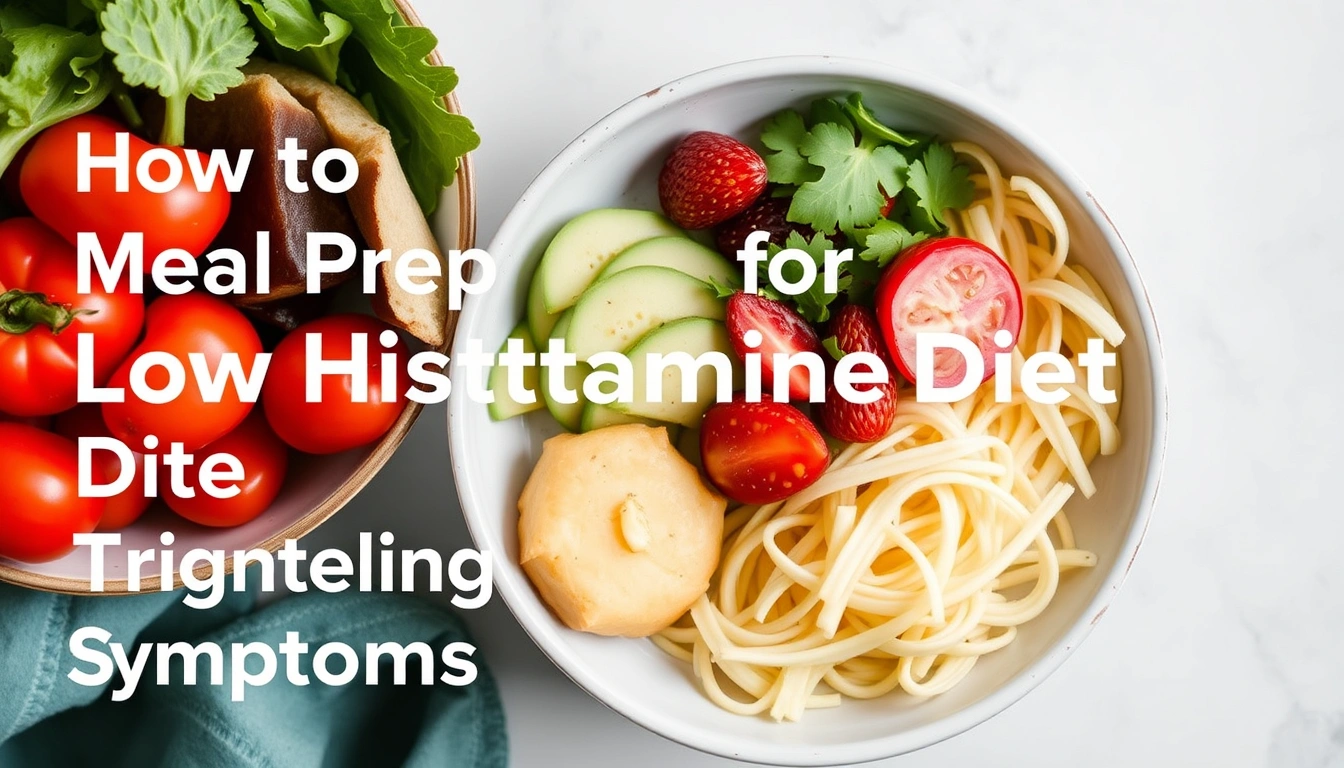
Low-histamine meal prep works well for people who need structure and predictability. Should your symptoms flare when you are hungry, rushed, or eating random takeout, a short-cycle prep plan can reduce decision fatigue and make it easier to stick with foods you already know you tolerate. It also helps if your schedule makes daily cooking unrealistic, because you can prep once or twice a week without relying on long-stored leftovers. Simple. Clean. Less chaos.
I would also recommend it for people who do well with a narrow ingredient list. A low histamine plan tends to become safer when each meal has a clear protein, starch, and vegetable, rather than a long sauce-heavy recipe. This simplicity is not glamorous, but it is useful when you are still figuring out your triggers.
The downside? More hands-on work. You may need to cook more often than a standard meal prep routine, chill food fast, and keep careful track of what you froze when. That takes time and headspace. Should your main challenge be not compliance but total exhaustion, an elaborate prep system can become one more stressor.
It is also not the right first move for someone who has not been evaluated for their symptoms. Histamine intolerance is discussed widely online, but symptoms can overlap with allergies, mast cell disorders, GI conditions, and many other issues. Should symptoms be severe, new, or involve breathing, fainting, or swelling, get medical help promptly rather than trying to manage it with food planning alone.
The Specific Situations Where Low-Histamine Meal Prep Wins
Short-cycle meal prep wins when your schedule is predictable but your symptoms are not. Should you know you need lunch at work, or dinner after a long commute, preparing a few safe meals ahead of time can protect you from the “I was too tired to make the right choice” problem. That is a real advantage, because impulse meals are where people often fall into leftovers, deli meats, sauces, or aged ingredients that may not sit well. One bad shortcut can snowball fast.
It also wins if you are sensitive to kitchen stress. One large cooking session with a tight plan can be easier than repeated last-minute cooking, especially if your low histamine list is narrow. A simple template—fresh protein, plain starch, cooked vegetables, basic seasoning—can keep meal planning from becoming a daily puzzle.
The strongest use case is someone who can freeze food quickly and rotate portions faithfully. Freezing early is a practical way to interrupt the “sits too long in the fridge” problem. It is not magic, and it does not make every food safe for every person, but it can help preserve freshness better than letting leftovers linger.
The drawback is discipline. Should you cook too much, you create the exact leftovers problem you were trying to avoid. Should you undercook, you are back to daily prep. The sweet spot is small batches with a clear plan for what gets eaten next and what gets frozen right away.
The Honest Side-by-Side
The main decision is not “cook ahead or don’t.” It is “how long can my food sit before symptoms become more likely, and how much prep do I realistically have time for?” Here is the comparison that actually matters.
| Criteria | Short-Cycle Low-Histamine Prep | Traditional Weekly Meal Prep | Winner for Low-Histamine Safety |
|---|---|---|---|
| Storage time | Food is eaten soon or frozen quickly | Food often sits for several days | Short-Cycle |
| Symptom risk from leftovers | Usually lower because food is fresher | Often higher if meals age in the fridge | Short-Cycle |
| Time efficiency | Moderate; more frequent cooking | High; fewer cooking sessions | Traditional Weekly |
| Flexibility if symptoms change | Higher; easier to swap foods | Lower; a full batch is harder to adjust | Short-Cycle |
| Grocery planning | Requires tighter planning and smaller buys | Easier to buy for a full week | Traditional Weekly |
| Food boredom | Lower if you rotate components | Higher if you eat the same containers all week | Short-Cycle |
| Kitchen workload per day | Lower than cooking from scratch daily | Lower overall during the week | Traditional Weekly |
| Risk of waste | Lower if you freeze portions early | Higher if meals spoil before use | Short-Cycle |
| Best fit for beginners | Better if symptoms are sensitive and you need control | Better if you already tolerate leftovers well | Short-Cycle |
My read is straightforward: should you be very sensitive, the short-cycle model is safer because it keeps storage time short and makes freezing part of the plan. Traditional weekly meal prep only wins if you already know that leftovers do not bother you much and you need the convenience more than the freshness control.
A generic article would tell you to “meal prep on Sunday.” That advice misses the whole point. For how to meal prep low histamine diet without triggering symptoms, the calendar is not the key. The clock is.
My Recommendation: How I Would Build the Prep Plan
I would build low-histamine meal prep around three rules. First, cook fewer recipes and repeat them in rotation. Second, chill food quickly and move it into the fridge or freezer without letting it sit around. Third, use leftovers strategically rather than automatically.
That usually means prepping ingredients instead of fully assembled dinners. For example, I would make one cooked protein, one starch, and one or two vegetables that are commonly tolerated by many people, then combine them in different ways across a short window. This keeps the food simple while still giving you enough variety to avoid burnout. Should sauces be a trigger, keep them separate or skip them entirely.
I would also treat freezing as part of prep, not as an afterthought. Should you know you will not eat a portion promptly, freeze it early. Many low-histamine eating guides from clinicians and patient organizations emphasize freshness and individual tolerance; that is the logic behind this recommendation. The goal is not to save everything indefinitely. The goal is to avoid letting food sit long enough to become a problem. If you are unsure about safe storage windows, ask a qualified dietitian or clinician.
The honest downside is that this approach asks for more attention than standard meal prep. You have to label containers, remember what belongs where, and accept that your fridge is not a bottomless backup plan. Should you hate tracking details, you may find this annoying. Should you like clear rules and predictable meals, it is a good fit.
The Honest Side-by-Side for Ingredients, Storage, and Reheating
A low histamine meal prep plan lives or dies on the details people usually skip. Ingredient choice matters, but so does what happens after cooking.
Freshly cooked food is generally the safer bet than food that has spent days in the fridge. Reheating does not reliably reset histamine levels. So the main question is not “Can I heat this?” but “How long has this been sitting?” Should a food tend to bother you as leftovers, I would not assume reheating will make it okay.
Refrigeration helps, but it is not a cure-all. Some people do fine with next-day leftovers; others notice symptoms sooner. That variation is real and is part of why low histamine advice can feel inconsistent online. The safe response is to pay attention to your own pattern and to keep your prep window short enough that you are not gambling every meal. If you need help dialing in timing, check with a qualified professional.
I also recommend keeping seasoning simple. Many mixed sauces, condiments, and marinades contain ingredients that are commonly discussed as higher-risk in low histamine diets, such as vinegar-based components or fermented foods. I am not telling you to ban every condiment forever. I am saying that simple seasoning makes it easier to identify what is and is not working.
The trade-off is obvious: simpler prep can feel repetitive. That is the price of control. Should variety matter to you, build it from tolerated vegetables, starches, and textures rather than from complicated sauces. Otherwise, the plan turns into a mess pretty quickly.
Our Verdict: Which One to Choose and Why
Choose short-cycle low-histamine meal prep should you react to leftovers, need to freeze food early, and want the most control over freshness. Choose traditional weekly meal prep if you already tolerate refrigerated leftovers well and your main problem is time, not symptoms. Neither if you are in the middle of unexplained, severe, or escalating symptoms and have not spoken with a qualified professional about them.
This is the cleanest answer I can give. For most people trying to avoid symptom flares, short-cycle prep is the safer default because it respects the biggest low histamine variable: time. Traditional weekly prep is more convenient, but convenience is only useful if the food still works for your body by the time you eat it. A nice idea can still miss the mark.
When to Reconsider This Choice Entirely
There are a few situations where the whole meal-prep approach needs to change.
First, should even freshly cooked, simply prepared foods seem to trigger symptoms, the problem may not be meal prep at all. At that point, I would stop assuming it is just a storage issue and get professional input.
Second, if you are relying on long lists of “allowed” foods from the internet but still feel worse, your plan may be too generic. Low histamine eating is highly individual. What one person tolerates may be a problem for another.
Third, if you are using meal prep to push through symptoms rather than to stabilize your routine, reconsider the strategy. Meal prep should reduce friction, not hide a worsening pattern.
Fourth, should the process itself be making you anxious enough that you are skipping meals or eating too little, simplify immediately. A low histamine plan is not worth much if it turns into rigid food fear.
My bottom line is simple: build a short-cycle, freshness-first routine, keep the ingredient list plain, and use freezing early. That is the version of meal prep that gives low histamine eating a better chance of working in real life.