Last updated: August 10, 2026
Leftovers can turn from fine to questionable fast. For people who react to histamine, that shift is the whole problem. So the simplest rule in this low histamine food storage leftovers guide is blunt: cook fresh, cool fast, portion small, and eat or freeze the food before it has time to cause trouble. Quick answer: for many histamine-sensitive readers, freezing is the safer default for anything you will not eat within 24 hours. I write about food handling and ingredient safety for readers who need practical, low-drama rules, not vague wellness advice.
Key Facts / Key Takeaways
– Histamine can rise in food after cooking if storage is slow or warm.
– Use the fridge for a short window; use the freezer for longer holds.
– A practical cutoff is 24 hours for the fridge, then freeze or discard.
– Shallow containers cool faster than deep ones.
– Reheat only the portion you plan to eat.
– For strict routines, the freezer usually gives more predictable results.
– If you react to very fresh food, storage may not be the main issue.
The Real Difference Between Storing Food Cold and Freezing It
Cold storage slows histamine buildup. Freezing stops that buildup much more effectively. That is the core difference, and it matters because histamine is not just about what you cook — it is also about how long the food sits after cooking.
Honestly, I would reach for the fridge only when the meal is truly next-up; everything else goes to the freezer. Convenient? Sure. But convenience is the weaker argument here. Even careful refrigeration can still leave sensitive people with a meal that no longer works for them, while freezing often gives a cleaner reset for batch cooking.
Why? Histamine can increase over time in food, especially when it has been handled a lot, held warm, or left in storage too long. Refrigeration slows that process; it does not erase it. Freezing is the better choice for cooked protein, soups, stews, rice dishes, or anything you know you will not eat within a day or so.
There is a trade-off, and it is not tiny. Frozen food can lose texture. Sauces may separate, vegetables can soften, and reheated meals can taste flatter. If taste matters most, the fridge wins for very short storage. If symptoms matter more than texture, freezing usually wins. Cold, but not kind of dead.
My practical recommendation: use the fridge for a very short window, then treat the freezer as your default backup, and if you have a medical condition or a very reactive pattern, consult a qualified professional or dietitian for individual guidance. See the NIH histamine overview and food safety guidance from the USDA on cooling and storage. That keeps you from playing leftovers roulette.
Fridge Storage: Who Should Actually Use This (and Who Shouldn’t)
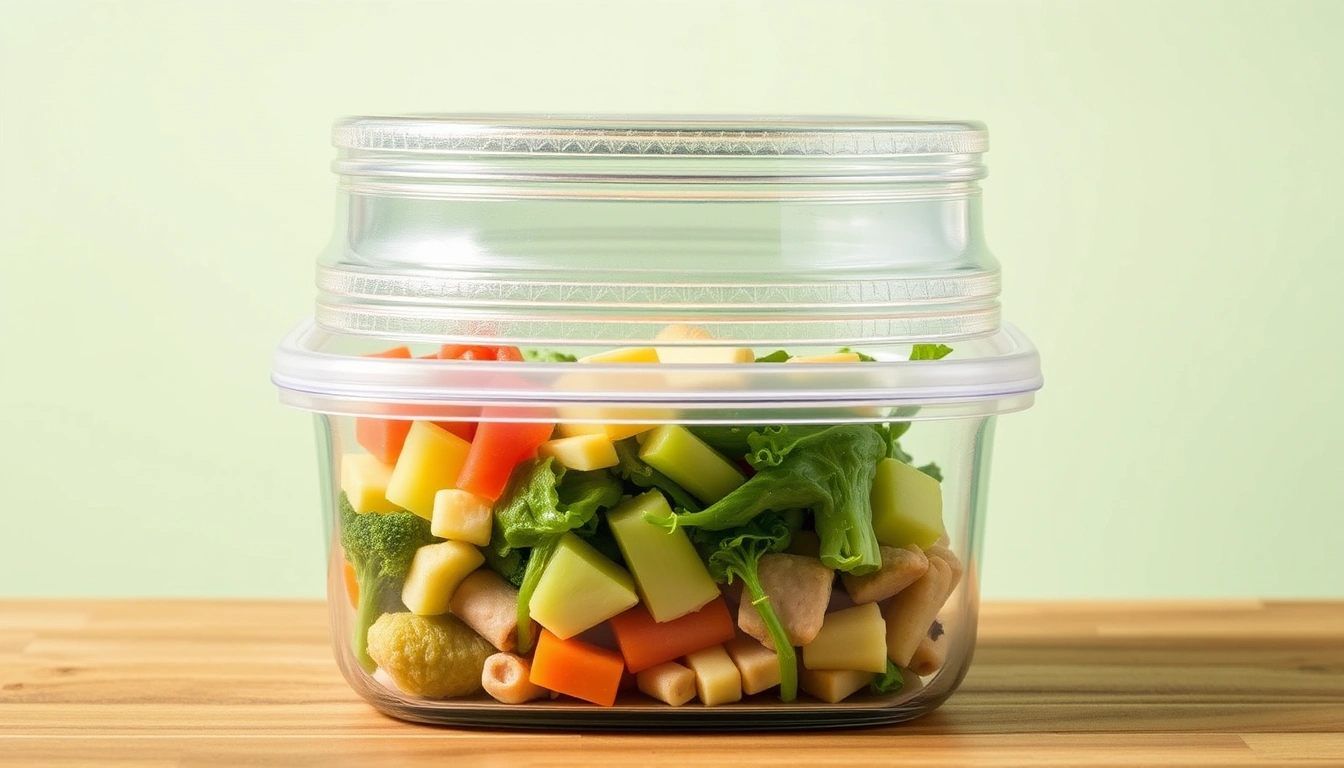
The fridge works best for the person who eats leftovers quickly and tolerates them fairly well when the food is fresh and well chilled. When you are the kind of cook who makes dinner and finishes the rest the next day, refrigeration can be enough.
I would use the fridge only for short holds, ideally about 24 hours or less for sensitive eaters. Put food away as soon as it is cool enough to avoid steaming itself in the container. Shallow containers help because they cool faster and more evenly than one deep bowl of soup. Smaller portions also cut down the time food spends warming up and cooling down again every time you open the container.
The upside is easy to see. The meal stays close at hand, reheats quickly, and usually keeps better texture than something frozen. For cooked vegetables, grains, and some plain proteins, the fridge can be the most convenient option.
But the weak spots show up fast. Fridge storage is not forgiving if you are slow to eat the food, if your fridge runs warm, or if the meal includes ingredients that already push histamine sensitivity. Fish, long-simmered dishes, and foods that sat out before chilling are common trouble spots. The issue is not merely “less fresh.” For a histamine-sensitive reader, it can mean symptoms that make the meal unusable.
This option is not for anyone who tends to forget leftovers, needs to prep several days at once, or reacts strongly to reheated food. When that sounds like you, the fridge should be the short stop on the way to the freezer, not the final destination.
Freezing: The Specific Situations Where It Wins
Freezing wins when you need control. When you cook in batches, live alone, manage symptoms closely, or want to reduce uncertainty, the freezer is the stronger tool.
I would freeze any leftover you do not plan to eat very soon, especially cooked meats, soups, sauces, and starches that can be portioned neatly. Freezing after the food is cooled and packed in usable portions gives you more control over timing than keeping a big container in the fridge and hoping you finish it in time.
Its biggest strength is consistency. A freezer can help you create a predictable routine: cook, cool, portion, freeze, reheat once. That matters because repeated warming and cooling is a bad pattern for histamine-sensitive leftovers. Freezing also helps you avoid the “I’ll eat it later” trap, which is where a lot of good food goes from useful to risky.
The downsides are practical, not theoretical. You need space. You need containers that seal well enough to prevent freezer burn. You need to remember what you froze. And you need to accept that not every food comes back in the same shape. Creamy sauces can split, lettuce cannot be rescued, and some vegetables turn mushy after thawing.
Still, I would choose freezing over refrigeration whenever the food will sit more than a short time or when symptoms are unpredictable. It is the more reliable choice for the reader who wants fewer surprises. See the FDA food storage basics for safe chilling and USDA leftovers guidance for timing.
The Honest Side-by-Side
Here is the comparison that actually changes the decision.
| Criteria | Fridge Storage | Freezing | Winner for [condition] |
|---|---|---|---|
| How long it stays useful | Good for short holds | Better for longer holds | Freezer for anything not eaten soon |
| Histamine control | Slows buildup, but does not stop it | Stronger control because time is effectively paused | Freezer for sensitive eaters |
| Texture after storage | Usually better | Often worse on thawing | Fridge for short-term taste |
| Convenience for next meal | Faster grab-and-reheat | Needs thawing or planning | Fridge for same-day use |
| Batch cooking | Limited if food sits too long | Excellent for dividing meals | Freezer for meal prep |
| Risk from forgetting leftovers | Higher | Lower if portions are labeled well | Freezer for busy households |
| Container needs | Any food-safe container | Better with airtight, freezer-safe containers | Freezer for long storage |
| Reheat flexibility | Easy, but food may age in the fridge | Better if thawed and reheated once | Freezer for symptom management |
| Best for delicate foods | Some cooked grains, short-term leftovers | Plain proteins, soups, sauces, portions | Depends on the food |
| Best for strict low-histamine routines | Less reliable | More reliable | Freezer |
The table hides one important truth: the best storage method depends less on “fridge versus freezer” in the abstract and more on how fast you actually eat leftovers. A fridge is fine if your food disappears quickly. A freezer is better if your schedule is messy or your symptoms are unforgiving.
Low Histamine Leftovers: What I Would Save, Freeze, or Skip
Not every leftover deserves a second life. That is the real rule.
I would save and freeze plain, freshly cooked foods that tolerate cold storage reasonably well: simple proteins, plain rice, cooked vegetables that still have some structure, and basic soups that were cooled promptly. These are the leftovers that give you the best chance of a predictable meal later.
I would be more cautious with dishes that mix several variables: vinegar, tomatoes, aged cheese, cured meats, fermented sauces, long-simmered stocks, or anything that already seems borderline for you. Even when a recipe is “low histamine” on paper, leftovers can still become a problem once time passes. A food that is tolerated fresh may not behave the same after a night or two. When you have a strong reaction history, consult a clinician or dietitian before relying on these foods in leftovers.
I would skip or severely limit leftovers that have already spent too long at room temperature, that were served buffet-style, or that were repeatedly reheated. Those are the situations most likely to create trouble. The quality problem is obvious; the histamine problem is the larger one.
The practical move is to portion food before it goes into storage. One meal in one container is safer than one giant container that gets opened and warmed several times. When you know a dish is especially fragile, freeze it immediately in single-serving portions and treat it as a one-and-done meal.
A generic article might say, “just eat leftovers within a day or two.” That is too casual for someone managing histamine. My rule is stricter: the less predictable the food, the shorter the storage window should be.
How to Cool, Pack, and Reheat Without Making the Problem Worse
This is where most people accidentally sabotage a low histamine plan. The mistake is not always the recipe; it is the handling.
I would cool food quickly, portion it small, and get it out of the danger zone as soon as practical. Letting a pot sit on the counter because it is “still warm” is a bad habit for histamine-sensitive storage. Warm food held too long is exactly the kind of environment that turns a decent meal into a symptom trigger.
Shallow containers beat deep ones because they cool faster. Tight lids help, but only after the food is no longer piping hot. When you trap heavy steam in a sealed container too early, you create condensation, poor texture, and more time before the food chills properly.
When reheating, I would reheat only the portion I plan to eat. Repeated reheating and cooling is the enemy here. When you thaw a freezer meal, eat it once and do not send it back through the cycle.
A few extra rules are worth keeping:
– Cool fast, but do not leave food out while you “wait for the perfect moment.”
– Label portions if you freeze them, so older food gets used first.
– Avoid mixing fresh food into older leftovers.
– When a leftover smells off, looks off, or simply feels wrong for your body, do not force it.
There is no glamorous version of this advice. The unsexy habits are the ones that usually work. For more formal food-safety timing, see USDA leftovers guidance and FDA storage basics.
Our Verdict: Which One to Choose and Why
Choose freezing if you are histamine-sensitive, cook in batches, or do not reliably eat leftovers within a short window. Choose the fridge if you tolerate leftovers well, finish them quickly, and care more about convenience and texture than maximum storage control. Neither if you keep food warm for hours, repeatedly reheat the same dish, or want leftovers to behave like fresh food.
That is the call I would make.
When you are trying to manage histamine symptoms, freezing should be your default for anything beyond immediate use. It gives you the best shot at keeping meals predictable. If your leftovers are more of a next-day lunch situation and you already know your body handles that well, the fridge is enough and easier to live with.
My honest bias is toward freezing, because it narrows the margin for error. The downside is that it asks for more planning and a little more freezer space. When that trade-off feels annoying but manageable, choose the freezer. If you want the easiest system and your sensitivity is mild, the fridge can work.
When to Reconsider This Choice Entirely
There are a few cases where the fridge-versus-freezer question is the wrong one.
When you are reacting to very fresh food, storage method is not the main problem. That suggests you need to look at the ingredient itself, not just the leftover handling.
When your schedule makes both fridge and freezer food sit around forgotten, you need a smaller cooking pattern, not a better container. In that situation, making less food is safer than trying to rescue more food later.
When you have a very sensitive reaction pattern, I would also reconsider batch cooking altogether. Some readers do better with single-serve meals cooked and eaten the same day, or with a very short plan that avoids leftovers almost completely.
When you are relying on broad “low histamine” lists but still feeling bad, the issue may be freshness, storage, or reheating rather than the individual ingredient. That is the part many generic guides miss. They focus on the food and ignore the handling.
So my final advice is blunt: use the freezer for control, the fridge for short convenience, and neither as a place to hide food you already suspect is risky. For low histamine eating, the cleanest leftovers are the ones that never linger.