Last updated: November 19, 2026
Key Takeaways
- The most practical low histamine spice alternatives are basil, parsley, thyme, ginger, salt, and garlic-infused oil in simple combinations.
- Flavor comes from three small moves: fat, herb, and salt.
- Basil, parsley, and thyme are the easiest single herbs to start with.
- Ginger is the main low histamine spice alternative for heat, and it brings warmth without chili peppers.
Low Histamine Spice Alternatives for Flavor Without the Usual Triggers are usually a mix of single herbs, salt, aromatics, and a few careful fat-based flavor builders, not a straight swap for every jar in the cabinet. If chili powder, pepper blends, or heavy seasoning mixes leave you guessing, the safer route is to season in layers: start with fresh herbs, add salt at the right time, and build depth with garlic-infused oil, ginger, and acid-free combinations.
The short list of low histamine spice alternatives that usually make sense
The most practical low histamine spice alternatives are basil, parsley, thyme, ginger, salt, and garlic-infused oil used in simple combinations. That gives you flavor without depending on chili, pepper-heavy blends, vinegar-based rubs, or long ingredient lists that are hard to judge. For ingredient checks, FDA labeling guidance and NIAID food allergy resources are useful starting points. FDA Food Allergies and NIAID Food Allergy.
For a reader trying to cook dinner tonight, the safest practical model is this: choose one herb for freshness, one aromatic for depth, and one fat or salt element to carry the flavor. Basil works well in tomato-free sauces and with zucchini or chicken. Parsley gives clean green flavor at the end of cooking. Thyme holds up in roasting and soups. Ginger adds sharp warmth without chili heat. Garlic-infused oil gives garlic flavor without the garlic pieces themselves. Salt stays the backbone.
A useful rule is to favor single-ingredient seasonings over spice mixes. Once a blend contains paprika, chili, black pepper, citric acid, flavor enhancers, or “natural flavors,” the label becomes a guessing game. That matters because low histamine eating is already restrictive; the seasoning shelf should reduce uncertainty, not add more of it.
One honest limitation: these alternatives can taste gentler than the spice cabinet most people are used to. A curry-style punch or a smoky barbecue profile is harder to recreate without triggering ingredients, and some cooks will miss that edge. This page is for flavor that stays simple and readable, not for pretending every dish can taste like a restaurant rub.
If you want the bigger pantry picture, the hub on low histamine food swaps and pantry staples belongs beside this page, not instead of it. For more on ingredient screening, see the low histamine food swaps hub and low histamine pantry staples.
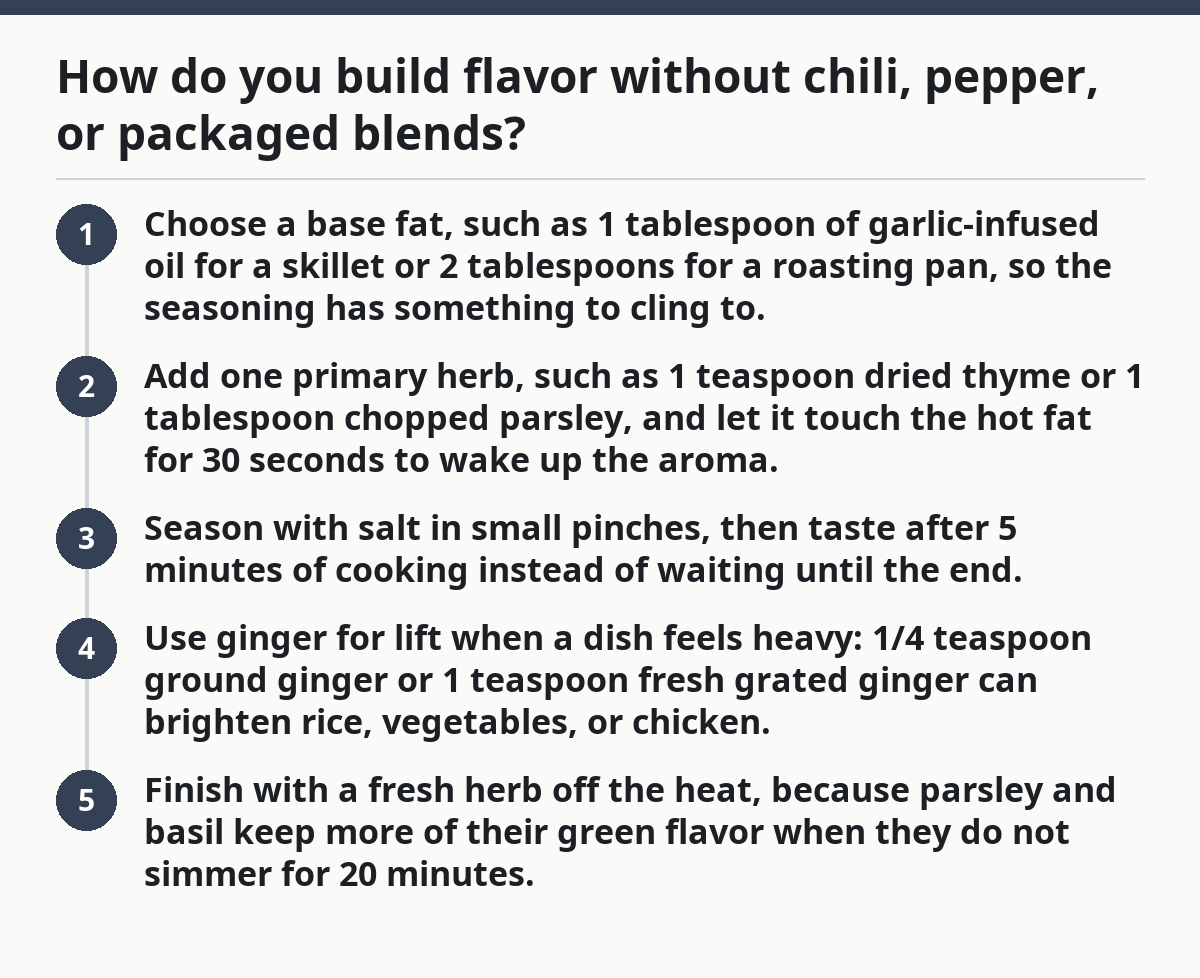
How do you build flavor without chili, pepper, or packaged blends?
You build flavor by layering 3 small moves: fat, herb, and salt. That approach works better than trying to replace a spice mix all at once, and it keeps the seasoning list short enough to inspect in under a minute.
Start with 1 tablespoon of olive oil or garlic-infused oil in the pan. Add your main ingredient. Then season in stages: a pinch of salt during cooking, a fresh herb near the end, and ginger or thyme early if the dish needs a stronger base. The result is a dish that tastes seasoned rather than flat.
- Choose a base fat, such as 1 tablespoon of garlic-infused oil for a skillet or 2 tablespoons for a roasting pan, so the seasoning has something to cling to.
- Add one primary herb, such as 1 teaspoon dried thyme or 1 tablespoon chopped parsley, and let it touch the hot fat for 30 seconds to wake up the aroma.
- Season with salt in small pinches, then taste after 5 minutes of cooking instead of waiting until the end.
- Use ginger for lift when a dish feels heavy: 1/4 teaspoon ground ginger or 1 teaspoon fresh grated ginger can brighten rice, vegetables, or chicken.
- Finish with a fresh herb off the heat, because parsley and basil keep more of their green flavor when they do not simmer for 20 minutes.
The big mistake here is using too much of any single substitute to chase the intensity of chili powder. That usually makes the food taste one-note or bitter. A lighter hand, plus a little patience, gives better results in 10 to 15 minutes of cooking.
This method is not for recipes that depend on a spice rub crust or a smoked profile. If the whole dish is supposed to taste like barbecue, curry, or jerk seasoning, a low histamine version will need a different identity rather than a one-for-one copy.
Which single herbs are easiest to use first?
Basil, parsley, and thyme are the simplest single herbs to start with because they are easy to recognize in a dish and easy to use without a long ingredient label. Each one does a different job, so the food does not all taste the same.
Basil gives a sweet, soft finish. It works in zucchini sautés, chicken, rice bowls, and simple sauces. Parsley tastes cleaner and brighter, so it is useful when a dish needs freshness after cooking. Thyme is the most assertive of the three; it handles roasting, simmering, and soups without disappearing.
A simple rule helps: use basil for softness, parsley for lift, thyme for backbone. If a dish feels dull but not heavy, parsley is often enough. If it feels too bland to stand up to potatoes, chicken, or root vegetables, thyme usually does more work in a 20-minute cook. Basil is the least forceful and is best saved for the end, not the beginning.
Fresh herbs generally give a brighter result than dried herbs, but dried thyme is often more practical because it stays stable in the pantry. Fresh parsley can be chopped and added at the last minute, and even 1 tablespoon can change a plate. Fresh basil is stronger than dried basil in flavor quality, so it is worth using when the herb itself is the main note.
The drawback is obvious: single herbs do not replace the complexity of mixed spice blends. They give clarity, not drama. That is a good trade when the goal is tolerance, but it can feel plain if the cook is trying to mimic a highly seasoned restaurant dish.
Low histamine spice alternatives for heat without chili
Ginger is the main low histamine spice alternative for heat, and it gives warmth without using chili peppers. It does not taste like chili powder, but it can make food feel lively in a way that matters.
Use fresh ginger when you want a bright, sharp edge. Use ground ginger when the dish needs a warmer, softer profile. Fresh grated ginger works well in 5-minute sautés, soups, rice, and simple marinades. Ground ginger is better in dry seasonings or quick sauces where you want the flavor to spread evenly. A small amount goes a long way; 1/4 teaspoon of ground ginger or 1 teaspoon of fresh ginger is often enough for one pan of food.
Garlic-infused oil is also useful here because it brings savory depth that people often miss when they avoid spice blends. Since the flavor is carried in oil rather than garlic pieces, it can give a familiar base without turning the seasoning into a full garlic dish. It works especially well with vegetables, chicken, and potatoes.
Salt matters more than many people expect. When chili is gone, food can seem underseasoned, and the reflex is to add more herbs. Often the better fix is a little more salt first. Use it in small steps rather than dumping it at the end. Two pinches during cooking usually do more for flavor balance than one large sprinkle after the dish is finished.
This approach is not ideal for anyone who wants a strong burn or smoky heat. Ginger gives warmth, not the lingering capsaicin effect of chili. That is a limitation, not a failure. The point is flavor with fewer usual triggers, not heat for its own sake.
How to replace a spice mix with a salt-free blend
A salt-free blend should be built from 2 or 3 ingredients, not 8, because the point is control. A simple blend is easier to repeat and easier to troubleshoot when something does not sit well.
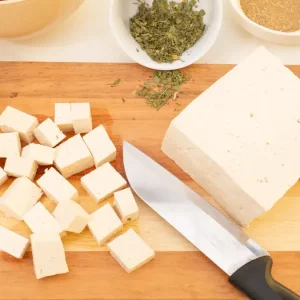
Try this structure: one herb, one aromatic, one optional warming note. For example, parsley plus thyme plus ginger. Or basil plus garlic-infused oil on the food itself, rather than in a dry blend. If you need a rub for chicken or vegetables, mix 1 teaspoon dried thyme, 1 teaspoon dried parsley, and 1/4 teaspoon ground ginger. Use that on a tray of vegetables or 2 chicken breasts, then add salt separately.
The advantage of keeping it salt-free is flexibility. The same mix can work on potatoes, green beans, or baked fish, and you can change the salt level meal by meal. That matters when the rest of the day already includes salty foods. It also keeps the seasoning from tasting like a finished product pulled from a can.
A common mistake is trying to mimic store-bought “all-purpose” seasoning by adding onion powder, chili, paprika, pepper, and vinegar powders all at once. That often reintroduces the very triggers the cook was trying to avoid. It also makes the blend harder to read if a reaction happens later. One or two ingredients at a time is the cleaner test.
A second mistake is making the blend too dry and then using it on a dry food. Herbs need a little fat to open up. If the dish has no oil, the seasoning can taste dusty. A teaspoon of oil on the vegetables or pan solves that.
Fresh herbs and garlic-infused oil: the easiest everyday pair
Fresh herbs and garlic-infused oil are the most useful everyday pair because they create a full flavor base with only a few ingredients. The pairing works in about 5 minutes, and it fits weeknight cooking better than a complicated substitute list.
Use garlic-infused oil as the starting point and fresh herbs as the finish. For a skillet meal, warm 1 tablespoon of garlic-infused oil, add the main ingredient, then finish with 1 tablespoon chopped parsley or basil once the heat is off. For roasted vegetables, toss them with 1 to 2 tablespoons of oil and add the herbs after roasting so they stay vivid.
This combo is especially helpful in dishes where the seasoning has to do more than one job. Garlic-infused oil gives body. Fresh herbs keep the plate from tasting heavy. Salt ties the two together. If the food is still missing something, ginger can come in as a separate note instead of cluttering the whole mix.
The trade-off is that fresh herbs spoil quickly. A bunch of parsley or basil can become limp within days, and that makes meal planning less forgiving than a jarred seasoning. Dried thyme is the backup for busy weeks because it keeps much longer and still gives real flavor in a 30-minute dish.
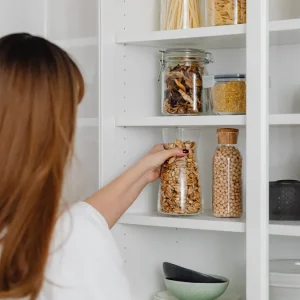
A practical habit helps: keep one fresh herb and one dried herb on hand, not four or five. That keeps the pantry useful without turning it into a guessing cabinet. For a quick swap list, the low histamine food swaps hub can help you match meals to what is already in the kitchen.
What low histamine seasoning habits save the most trouble?
The biggest time-saver is to keep your seasonings in 3 buckets: single herbs, fresh finishers, and one oil-based flavor builder. That prevents the pantry from becoming a pile of half-used blends you do not trust, though anyone with ongoing symptoms should also check with a clinician or registered dietitian before making major diet changes.
Label the jars with the purchase month if you use dried herbs slowly; many cooks replace them before the flavor falls off too far, often around a year, though the exact lifespan depends on storage and the herb itself. Keep garlic-infused oil in a clear bottle only if you use it quickly and store it properly. Use fresh herbs within a few days of buying them, or chop and freeze them in small portions if that fits your routine. For broader pantry planning, the low histamine pantry staples page covers storage basics in more detail.
Here are the mistakes that cost the most flavor:
- Using too many herbs at once, which makes the dish muddy instead of distinct.
- Waiting until the end to salt everything, which leaves the food flat.
- Relying on acid-heavy substitutes like vinegar or citrus to wake up a dish, which is not the point here.
- Reaching for spice blends with long labels, then spending dinner trying to decode them.
A better pattern is to season once while cooking and once at the end. That two-step method keeps the food balanced without forcing one ingredient to do all the work. It also makes it easier to notice which seasonings you tolerate well.
If the next question is what to cook with these seasonings, not what to buy, the hub on low histamine food swaps and pantry staples is the right companion page. This article is the seasoning layer; that hub covers the bigger pantry structure.
What spices are usually easier to tolerate on a low histamine diet?
Single herbs such as basil, parsley, and thyme are often easier to manage than mixed spice blends. Ginger is another common choice because it adds warmth without chili heat. Salt and garlic-infused oil are not spices, but they are useful flavor tools. Tolerance is individual, so a careful one-at-a-time approach is wiser than assuming any herb is universal.
What can I use instead of chili powder or pepper blends?
Use ginger, thyme, parsley, and garlic-infused oil in combination, then add salt to taste. That gives warmth, aroma, and savory depth without depending on chili or pepper. It will not taste exactly like a pepper blend, but it can still taste complete in soups, vegetables, rice, and simple skillet meals.
Can herbs replace spice mixes in low histamine cooking?
Yes, but they replace the function rather than the exact flavor. Herbs can give freshness, backbone, and aroma, especially when paired with oil and salt. The limit is intensity: a herb-based dish is usually gentler than one built around paprika, pepper, or chili.
Drafted with AI; not yet reviewed by a person.